
Reviewed · OSLO TOURS
Oslo: Historic Myths & Legends Evening Walking Tour
Oslo’s past gets much more entertaining when trolls, Viking beliefs, prison tales, and audacious robberies enter the picture. This two-hour evening walk links major sights with stories you would probably miss on your own, from the friezes inside City Hall to the old square at Christiania Torv and the walls of Akershus Fortress.
I like the way the tour mixes folklore with real city history, rather than treating myths as spooky decoration. I also like the relaxed pace and the guides’ easy humor. Maria and Anastasia are frequently praised for clear English, warm personalities, and strong storytelling. The main drawback is weather: Oslo’s wind can cut through you, especially in winter, and the walk is not suitable for wheelchair users or people with mobility impairments.
Key points to know before you book
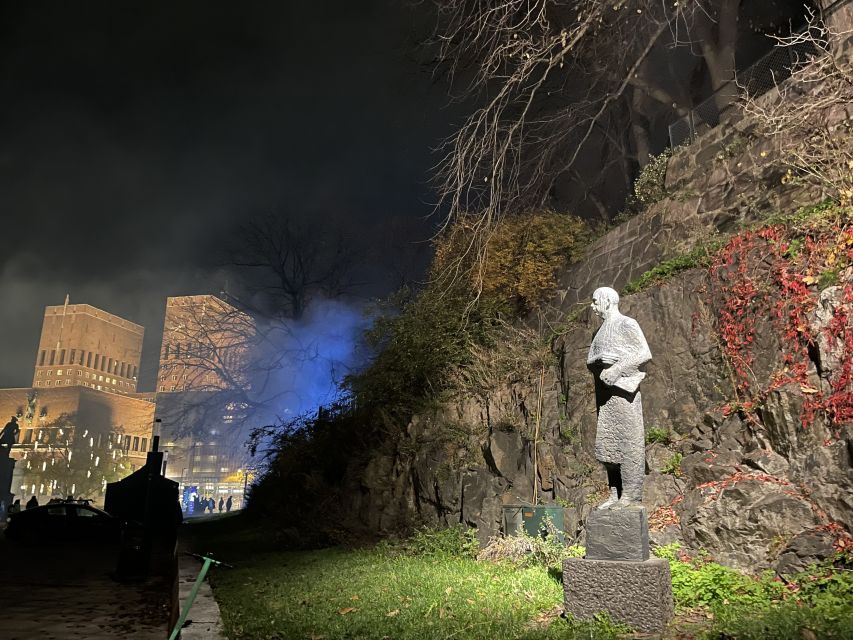
- Viking beliefs inside City Hall: See wooden wall friezes linked to Norse ideas and hear how old beliefs still shape Norwegian stories.
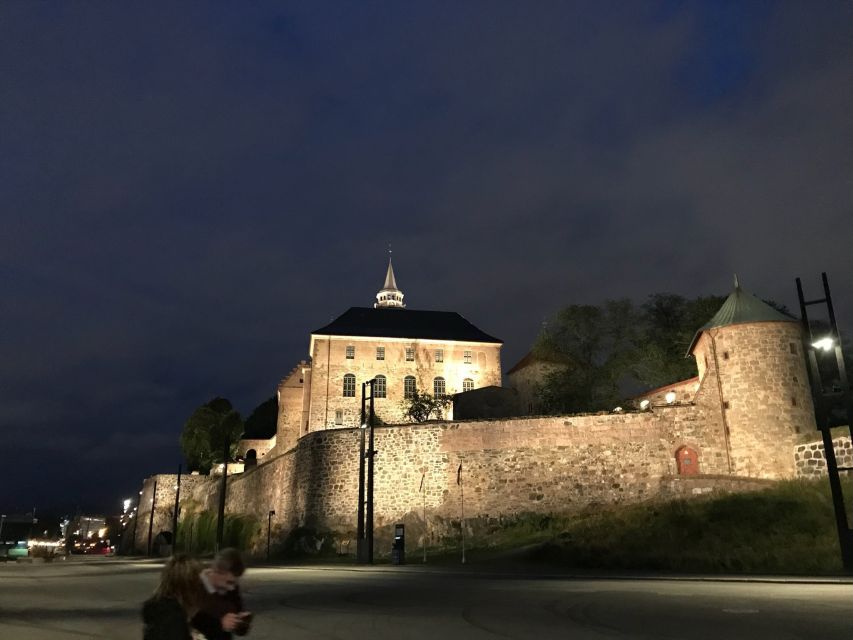
- Akershus after dark: Explore the fortress exterior and surrounding area while hearing about its engineering, prisoners, and grim episodes.
- More than mythology: The walk also covers Oslo’s justice system, punishments, thefts, and the city’s development.
- Guides make the difference: Maria and Anastasia are especially noted for humor, energy, local tips, and clear English.
- A good first-night activity: The route gives you a useful orientation to central Oslo and suggestions for places to visit later.
- Dress for the forecast: Comfortable shoes are essential, and winter participants need serious protection from cold and wind.
Why Oslo’s myths work so well on an evening walk
This is not a ghost-hunting expedition. You will not crawl into tunnels or visit underground chambers. Instead, the guide uses stories of ghosts, underground kingdoms, trolls, nisse, and huldra to explain Norwegian culture and the way people once understood danger, luck, nature, and the unknown.
That distinction matters. If you want theatrical scares, this is probably not the right choice. If you enjoy hearing how legends connect with buildings, customs, and old fears, the subject gives the walk a clear personality.
I like the broad range. One moment you are hearing about Viking beliefs, and the next you are looking at a city square tied to crime or justice. The guide does not stay locked in one period. The stories reach from Oslo’s early origins through later events, including the Second World War.
The evening timing adds atmosphere without turning the activity into a spooky show. In December, a 4 pm to 6 pm departure can take place mostly in darkness. That can make the lamps, stone walls, and older streets feel special, but it also means you should expect limited daylight for photographs.
More Historical Tours in Oslo
- Oslo: History, Art and Secrets Tour
★ 4.7 · 62 reviews - Oslo City Walks – Historic River Walk
★ 5.0 · 31 reviews - A Well Balanced History and Food Tour with Focus on the Scandinavian Kitchen
★ 4.5 · 29 reviews
Starting by the swans fountain at City Hall
Meet your guide near the swans fountain at the entrance to Oslo City Hall on Fridtjof Nansen’s square. This is a practical starting point because City Hall is easy to identify, central, and close to several of the route’s main sights.
The opening section focuses on the building and its decorative details. Look for the wooden friezes on the walls, which depict Viking beliefs and themes from Norway’s older traditions. The guide explains the images instead of simply pointing them out, helping you see how national stories were placed into a modern public building.
This is one of the tour’s strongest ideas: the past is not presented as something locked inside a museum. It appears in carvings, symbols, architecture, and everyday stories. You get a quick introduction to the Vikings, their voyages, and the beliefs that shaped the old Nordic world.
The folklore section includes mischievous trolls, kind nisse, and mysterious huldra. These are not just names to memorize. They give you a way to understand the older Norwegian imagination, where the forest, mountains, household, and night could all carry unseen risks.
You will also hear about protections such as bells and fears connected with flutes. Those details are small, but they make the folklore feel personal. They show how legends could influence ordinary behavior rather than existing only in grand heroic sagas.
Christiania Torv and Oslo’s older center
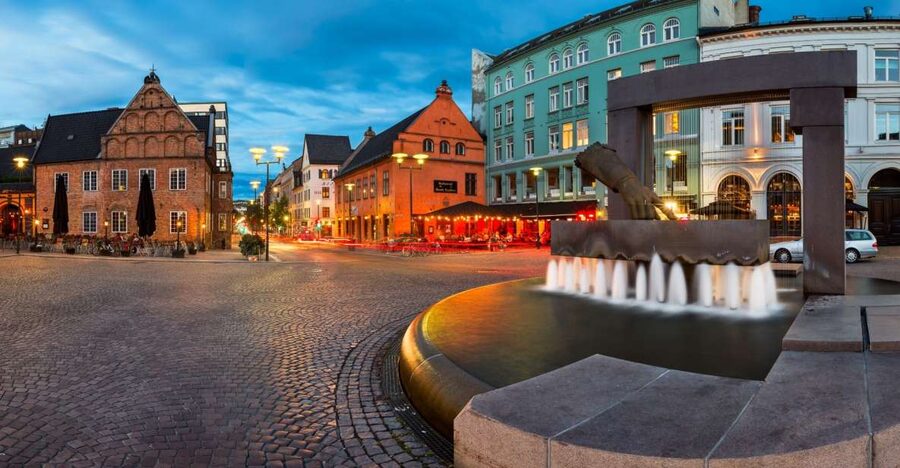
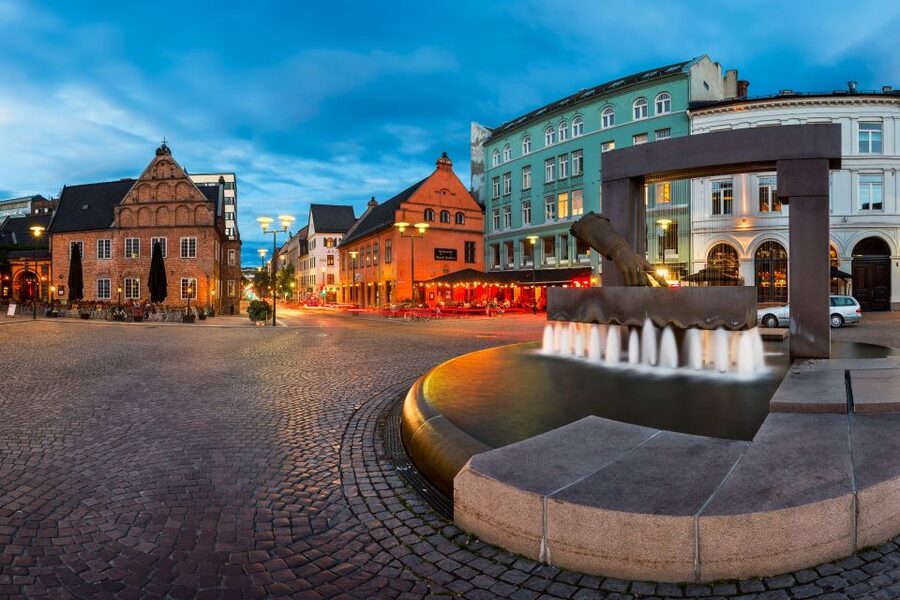
From City Hall, the group walks toward Christiania Torv, one of the historic squares in Oslo’s older center. Here, the guide shifts from myth to the city’s changing identity and the events that left marks on its streets.
The square works well as a storytelling stop because it helps connect present-day Oslo with earlier chapters of the city. Rather than rushing through a list of dates, the guide uses particular events and characters to show how Oslo changed over time.
You can expect a mix of visual orientation and spoken detail. The guide points out the setting, then explains why it matters. This is useful if you are new to Oslo because you begin to understand how the central streets and public spaces fit together.
The pace is intentionally manageable. The walk is not designed as a fitness challenge, and there are opportunities to ask questions, take photographs, and add your own comments. That relaxed style has appeal, but it also means the experience depends heavily on the guide’s ability to hold a group’s attention.
Maria is often praised for being funny, approachable, and willing to answer questions. Anastasia is also noted for her vivid storytelling and enthusiasm for Oslo and Norway. The guide can vary, so you should think of the excellent guide feedback as a strong sign of the experience, not a promise that one particular person will lead every departure.
Akershus Fortress, stone walls and hard lives
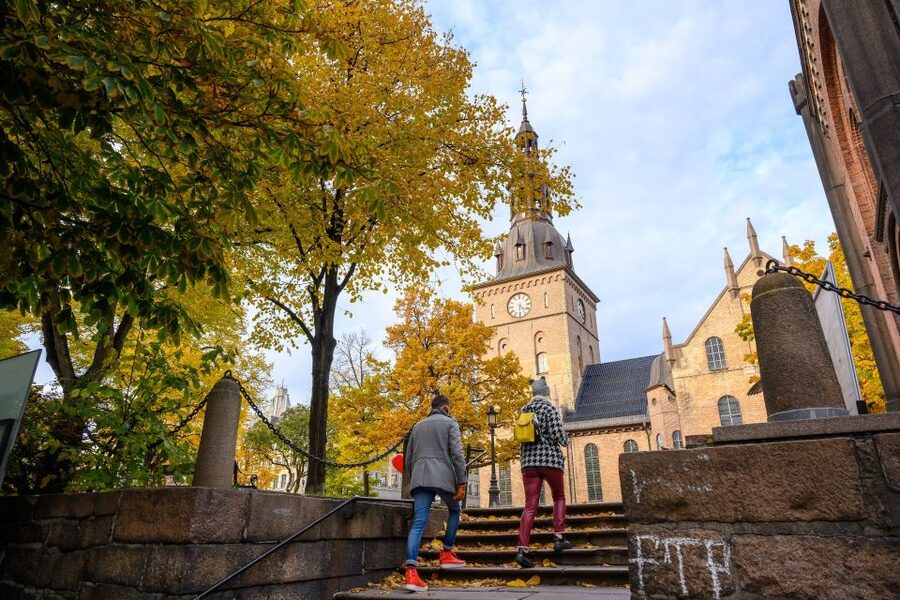
Akershus Fortress is the most dramatic setting on the route. Its walls and defensive design give the guide a chance to explain medieval engineering, Oslo’s need for protection, and the practical challenges of defending a city.
You will hear about the fortress’s past, including prisoners held within its formidable walls and the fates they faced. This part adds a darker edge to the tour. The stories are about real punishment and difficult lives, not simply legends designed to frighten you.
I like this stop because the architecture gives the talk weight. You are not listening to an abstract account of a castle from a distant viewpoint. You are near the stonework and defensive structures that made the fortress important.
Still, keep your expectations sensible. The activity description does not promise a full interior castle tour or access to underground areas. The focus is on locations around Oslo that relate to the stories. If you want extensive room by room exploration of Akershus Fortress, you should plan a separate visit.
The fortress can also be cold and exposed in the evening. In winter, the combination of darkness, wind, and low temperatures is a serious factor. Participants have enjoyed the walk even in temperatures around minus 10 degrees Celsius, but that is not a reason to underdress. Wear warm layers, gloves, and shoes with good grip.
More Walking Tours in Oslo
- Oslo: Best of Oslo Walking Tour
★ 4.5 · 458 reviews - Oslo: Guided Walking Tour of Central Oslo
★ 4.7 · 438 reviews - Taste of Oslo Walking Tour
★ 4.5 · 282 reviews - Central Oslo Guided Walking Tour with Local Guide
★ 4.5 · 278 reviews
Bankplassen and Oslo’s audacious thefts
At Bankplassen, the subject turns to daring heists and complicated robberies that once shook the city. This is a welcome change of pace after the folklore and fortress stories.
The thefts help you see Oslo through the eyes of its lawbreakers, officials, and victims. The guide also explains the justice system of medieval Oslo and the punishments used for crimes. This is where the tour becomes a social history lesson, showing how a city tried to control theft, violence, and disorder.
I find this section especially useful for people who do not normally choose a standard historical lecture. Crime stories create an immediate hook, while the details about justice add context. You learn not only what happened, but also how authorities understood wrongdoing at the time.
The stop also shows why the tour is broader than its title might suggest. Myths and legends are the entry point, but the route also covers architecture, public order, beliefs, and the lives of ordinary people. You get a more complete sense of old Oslo without sitting through a formal museum talk.
A guide-led walk with room for questions
The guide is the heart of this experience. The route itself includes important landmarks, but you can see those places independently. The added value comes from having someone explain the symbols, link the stories, and point out details you might overlook.
The strongest guide qualities reported for this activity are humor, passion, and clear English. Several guides, including Maria and Anastasia, are praised for making the material easy to follow. Their approach appears conversational rather than stiff, and questions are welcomed.
That makes this a good choice for solo visitors. You can learn the city’s basic layout, ask for ideas for the rest of your stay, and get suggestions about other areas to visit. It also works for couples and small groups who want a gentle introduction before tackling Oslo’s museums and neighborhoods on their own.
Families should read the age rule carefully. The tour is listed as unsuitable for children under 13. Some older children have loved the stories, including children aged 13 and above, but the stated restriction means you should not book it for younger children without confirming directly with the provider.
How much value do you get for $42?
At $42 per person, the tour is not the cheapest way to walk around central Oslo. You can see City Hall, Christiania Torv, Bankplassen, and the exterior areas around Akershus Fortress without paying for a guide.
The value comes from the interpretation. In two hours, you receive a structured introduction to Oslo’s old center, Norwegian folklore, Viking beliefs, fortress history, crime, and justice. You also get the chance to ask questions and collect ideas for the rest of your visit.
I would consider it good value if this is your first time in Oslo and you enjoy stories more than a dry list of dates. It is less useful if you already know the city well or prefer to spend two hours inside museums and historic rooms.
The walk includes a live English-speaking guide and taxes. Food, drinks, hotel pickup, and hotel drop-off are not included. Since it lasts two hours and remains in the central area, you can fit it neatly before dinner or after an afternoon of sightseeing.
You can reserve now and pay later, which helps if your plans are still shifting. Free cancellation is available up to 24 hours in advance for a full refund. Check the departure time when booking, since starting times vary.
Weather, walking comfort and practical limits

Bring comfortable shoes. The route is a city walk, but uneven surfaces, cold conditions, and dark winter streets can make sturdy footwear more useful than fashionable shoes.
Oslo’s weather deserves more attention than the cheerful folklore theme might suggest. Winter departures can be beautiful, with snow and illuminated streets, but the wind can be piercing. In warmer months, evening light can add a pleasant glow, and one October group enjoyed a dramatic sunset.
The walk is not suitable for people with mobility impairments or wheelchair users. No hotel transport is provided, so you need to reach the City Hall meeting point yourself and make your own way back afterward.
The tour is in English only. The guides are praised for speaking clearly and handling questions well, but you should choose another option if you need a different language.
Who should book the Oslo myths and legends walk?
I would choose this tour for:
- First-time visitors who want a quick sense of central Oslo
- Solo visitors who like an easy group activity
- History fans who prefer stories about people and crimes to formal lectures
- Anyone curious about trolls, nisse, huldra, and Norse beliefs
- Visitors who want to see Oslo after dark
- Adults and teens aged 13 or older who can manage a two-hour walk
I would hesitate if you dislike folklore, cold weather, or outdoor sightseeing. The tour uses legends, but it is not a haunted attraction. It also does not promise underground exploration or a complete interior visit to Akershus Fortress.
The experience is best when you treat it as an introduction. Use the walk to learn the city’s story, note places you want to revisit, and ask the guide for further ideas. It is not a replacement for Oslo’s museums, a dedicated fortress tour, or a full architectural tour.
Should you book it?
Book this tour if you want Oslo explained through memorable stories rather than a standard landmark checklist. The combination of City Hall’s Viking friezes, Christiania Torv, Akershus Fortress, old crime stories, and Norwegian folklore gives the evening a clear sense of place.
The main decision is practical: can you handle two hours outdoors, especially in winter? If yes, $42 buys a lively orientation led by guides such as Maria or Anastasia, with enough history to help you understand the city and enough humor to keep the walk light.
I would book it near the start of an Oslo visit, dress for the forecast, and leave room afterward for dinner or a return to one of the sights that caught your attention.
FAQ
How long does the Oslo Historic Myths and Legends Evening Walking Tour last?
The tour lasts two hours.
How much does the tour cost?
The listed price is $42 per person.
Where is the meeting point?
Meet the guide near the swans fountain at the entrance to Oslo City Hall on Fridtjof Nansen’s square.
What language is the tour in?
The tour is conducted in English by a live English-speaking guide.
Which places does the walking tour visit?
The route begins at Oslo City Hall and includes Christiania Torv, Akershus Fortress, and Bankplassen, along with other central locations connected to the stories.
Is this a ghost-hunting tour?
No. The tour discusses ghost stories and underground kingdoms for their historical and cultural meaning, but it does not involve ghost hunting or underground visits.
What should I bring?
Bring comfortable shoes. Warm clothing is also important in cold weather, since the walk takes place outdoors and Oslo’s wind can be strong.
Can children or wheelchair users join?
Children under 13 are not permitted according to the activity information. The tour is also not suitable for people with mobility impairments or wheelchair users.
More things to do after dark in Oslo
- Oslo: Fjord Evening Cruise with Shrimp Buffet
★ 4.5 · 1,956 reviews - Oslo Fjord Evening Cruise with Shrimp Buffet on a Sailing Ship
★ 4.0 · 170 reviews - Oslo Fjord Evening Live Rock music cruise with Shrimp buffet
★ 4.9 · 15 reviews - Tromsø: Evening Aurora Cruise (dinner optional)
★ 4.4 · 1,570 reviews
Recently added around Oslo
- The Vigeland Park in Oslo: Insta-Perfect Walk with a Local★ 5.0 · 3 reviews
- Oslo: Best of Oslo Walking Tour and Hop-on Hop-off Bus Tour★ 3.7 · 3 reviews
- Best of Oslo: Walking Tour with a local guide★ 4.6 · 3 reviews
- Afternoon Tea and Classic Concert on the Fjord★ 4.5 · 3 reviews
- Lake walk and campfire★ 4.7 · 3 reviews
- Maral Kunst : Jewelry Bar Experience (Jewelry Making)★ 5.0 · 3 reviews
- Oslo: Yoga & Hiking with a dog★ 5.0 · 3 reviews
- Oslo: Skjennungstoppen Wildlife Forest Hiking Tour★ 5.0 · 3 reviews
Oslo Tours, compared.

Scenic Fjord Cruise with Audio Guide Commentary
Read our review →




Guided Sightseeing Fjord Cruise on Premium Silent Boat
Read our review →

Browse the lists this tour appears in