
Reviewed · OSLO TOURS
Oslo Nature Walks: Island Hopping Tour
Oslo’s best surprise may be just a 10-minute ferry ride from the city center: quiet islands with sheep pastures, birch woods, beaches, old cannons, and tiny summer cabins. This tour links those places by public ferry, turning a simple boat ride into a half-day look at Oslo’s past and its love of outdoor life.
I like two things right away. First, you get real island scenery without arranging ferry tickets or working out the route yourself. Second, the guide adds meaning to places you could easily walk past, from Hovedøya’s medieval abbey ruins to the remains of Oslo’s first airport on Gressholmen. The main consideration is the 7-kilometer walk on uneven paths, which can be slippery in rain, snow, or ice.
- Hovedøya’s nearly 1,000-year-old abbey ruins connect Oslo’s Viking-era past with the arrival of Christianity.
- Three islands in April through August offer the fullest version of the tour, including Hovedøya, Gressholmen, and Lindøya.
- Winter departures visit two islands and include hot drinks, with a shorter 3.5-hour schedule.
- Public ferries are part of the experience, giving you city and fjord views between walks.
- Lindøya’s flower gardens and wooden cabins show Oslo’s traditional summer retreat culture.
- Guides such as Shaf, Giovanni, Patrick, and Carolina are praised for local stories, practical care, and friendly conversation.
Why Oslo’s Islands Make a Fine Half-Day Escape
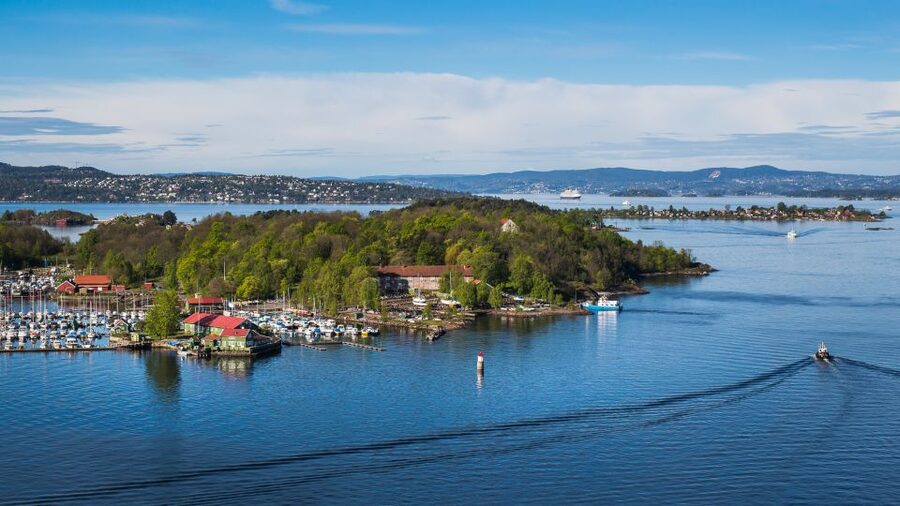
The tour begins at Rådhusbrygge 4, beside the public ferry departure area near Platform E and the Fisketorget restaurant. Arrive about 10 minutes early. From here, Oslo’s waterfront quickly gives way to open water and island views.
That change of pace is the point. You are not simply looking at the Oslo Fjord from a sightseeing boat. You get off, walk woodland paths, pass old military sites, stop at beaches and viewpoints, then catch another public ferry. The rhythm feels active without turning into a hard hike.
The $69 price is reasonable if you value context and convenience. The ferry tickets are included, and the guide handles the route, timing, and explanations. You could reach these islands on your own by public ferry for less, but you would need to plan the sequence and would miss much of the history and local detail.
The tour is conducted in English and has earned a 4.8 rating from 2,713 bookings, with 89 percent of participants giving the transport a perfect score. That matters because the ferries are not a private vehicle waiting only for your group. You are using Oslo’s regular island transport, which makes the outing feel connected to daily city life.
Hovedøya: Abbey Ruins, Beaches, and Old Cannons

The first ferry crossing takes about 10 minutes. Hovedøya, meaning Main Island, is the historical heart of the route and usually the most rewarding stop for anyone interested in Norway’s past.
The guide explains how English monks came to Oslo nearly 1,000 years ago, during the country’s shift from the Viking era toward Christianity and closer ties with Christian Europe. Their abbey became a powerful religious center, and its remaining walls and rooms give you a clear sense of the scale of the old complex.
The ruins are not just a quick photo stop. You walk among chambers and stone remains while hearing how religious institutions shaped early Oslo. The setting helps: instead of being boxed into a museum, you see the ruins surrounded by woodland and open sky.
From the abbey, the path continues through birch forest and sheep pasture. This is where good shoes matter. The walk covers gravel, dirt, and stone, and the ground can become slick in wet or icy conditions.
Hovedøya also carries a later military story. You reach old ramparts and cannons connected with the 19th-century Napoleonic Wars. The contrast is enjoyable: one moment you are considering medieval monks, and the next you are looking over defenses built for a very different Norway.
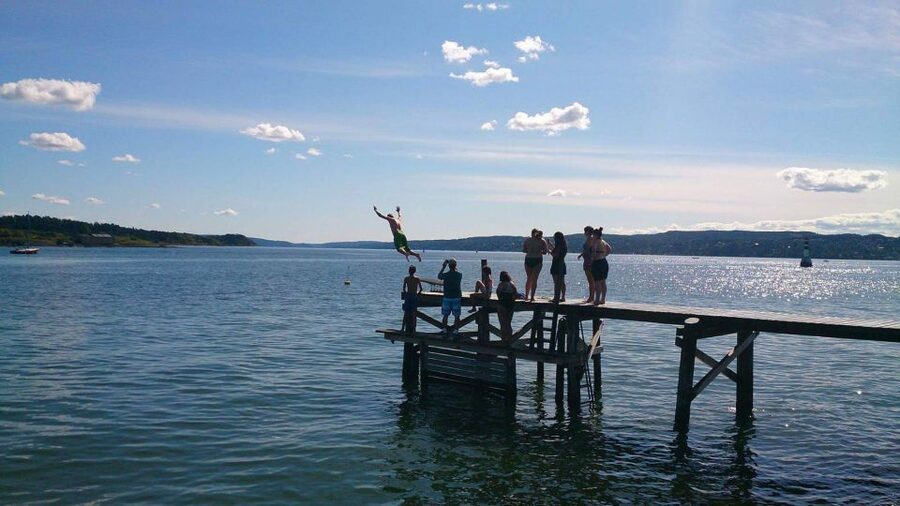
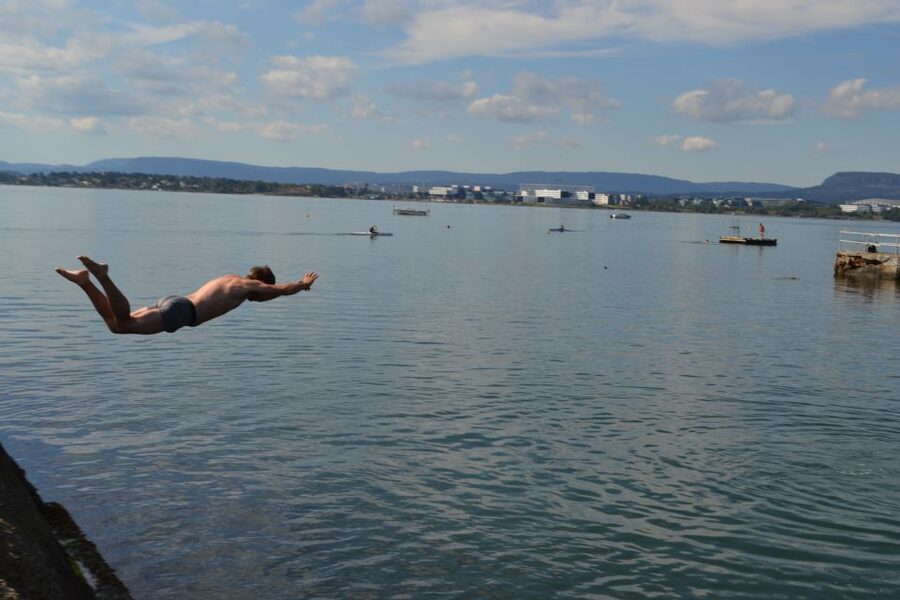
The coastline brings beaches, rocky stretches, and lookout points. In warm weather, you might want swimwear and a towel in your backpack. The tour does not promise a swimming stop, but the route includes coastal places where a quick dip or shoreline pause may appeal if conditions allow.
The drawback is time. The stop lasts about an hour, so you get a well-shaped introduction rather than a leisurely afternoon on the island. If you want to study every ruin, swim, and linger at every viewpoint, the schedule may feel brisk.
A few more Oslo half-days to weigh up
- Oslo: Scenic Fjord Cruise with Audio Guide Commentary
★ 4.5 · 5,375 reviews - Oslo: 100% Electric Oslofjord Sightseeing Cruise
★ 4.4 · 2,041 reviews - Oslo: Fjord Evening Cruise with Shrimp Buffet
★ 4.5 · 1,956 reviews
Gressholmen: Nature Reserve and Industrial Memories
A second ferry of about 10 minutes brings you to Gressholmen. This stop shifts away from medieval religion and toward nature, aviation, and military use.
Gressholmen is described as an island paradise with a nature reserve, but the appeal is not only scenery. You also see the remains of what was Oslo’s first airport, along with buildings and sites tied to the island’s military past. These traces give the walk a useful sense of time. The islands were not always just peaceful summer escapes.
The guide’s role is particularly useful here because the old sites may not explain themselves. A good guide turns scattered buildings and remnants into a story about how Oslo used its offshore islands. Guides including Shaf, Jon, Kat, and Giovanni have been praised for combining local history with humor and practical advice.
The walk itself is about an hour. You should expect a mixture of paths, pauses for photos, and commentary rather than a long uninterrupted hike. The guide keeps the group moving toward the next ferry, so this is a good stop for people who like variety.
Gressholmen can feel especially atmospheric in poor weather. Rain, mist, or a gray sky may soften the views and make the old structures feel more remote. That said, weather has a real effect on this outing. The tour runs outdoors, and the ferry crossings can be cold even when the walking warms you up.
Lindøya: Cabins, Flowers, and Oslo’s Summer Rhythm
In the warmer season, the third island is Lindøya. The ferry ride from Gressholmen takes about 15 minutes, giving you time to rest and watch the fjord.
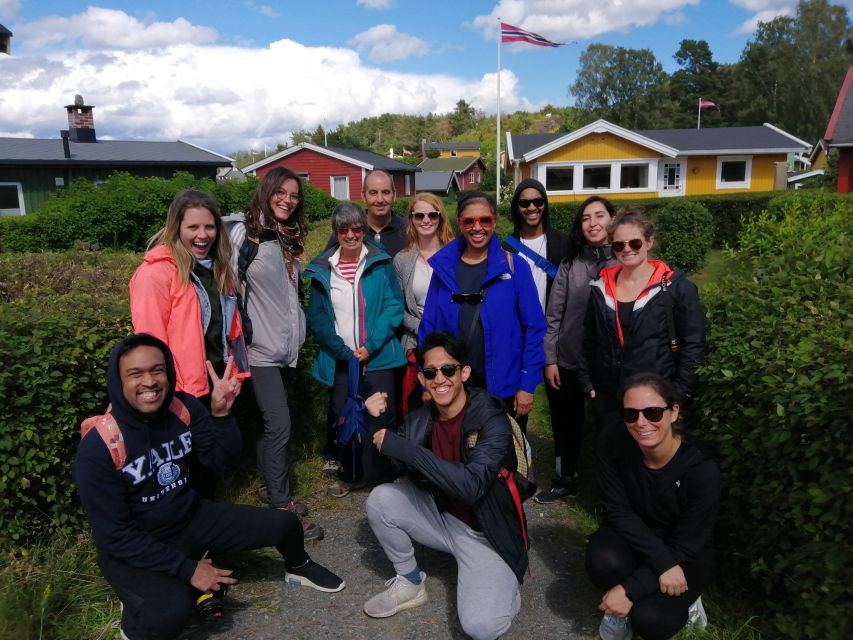
Lindøya is different from Hovedøya and Gressholmen. Its charm comes from traditional wooden holiday homes, small gardens, and flower-filled paths. The cabins contrast with the water and hills around them, offering a glimpse of a slower summer routine close to the capital.
This is not a polished resort. The appeal lies in the modest scale and lived-in feel of the island. You walk along village paths, pass colorful gardens, and reach viewpoints that open across the fjord. The experience helps explain why access to nature matters so much in Norwegian culture.
The Lindøya walk lasts about 90 minutes, making it the longest island stop. It is also where the picnic break fits naturally. Bring your own lunch from April through September. You are encouraged to carry food, water, swimwear, and a towel in a backpack, and the guide may point out a kiosk for extra snacks or ice cream, depending on opening hours and weather.
Do not count on the kiosk as your meal plan. Pack what you want before meeting the group. A picnic beside the water is one of the tour’s simplest pleasures, but it works best when you are prepared for a cool breeze or a damp bench.
From October through March, Lindøya is not included. The winter route visits two islands and lasts about 3.5 hours rather than four to four and a half. The guide provides warm drinks, such as coffee, tea, or hot chocolate, and some departures have included ginger biscuits or cookies. That small touch makes a meaningful difference on a cold day.
Ferry Rides That Complete the Picture

The public ferries are not merely transport between walking sections. They provide changing views of the Oslo Fjord and a chance to sit down between stretches of trail.
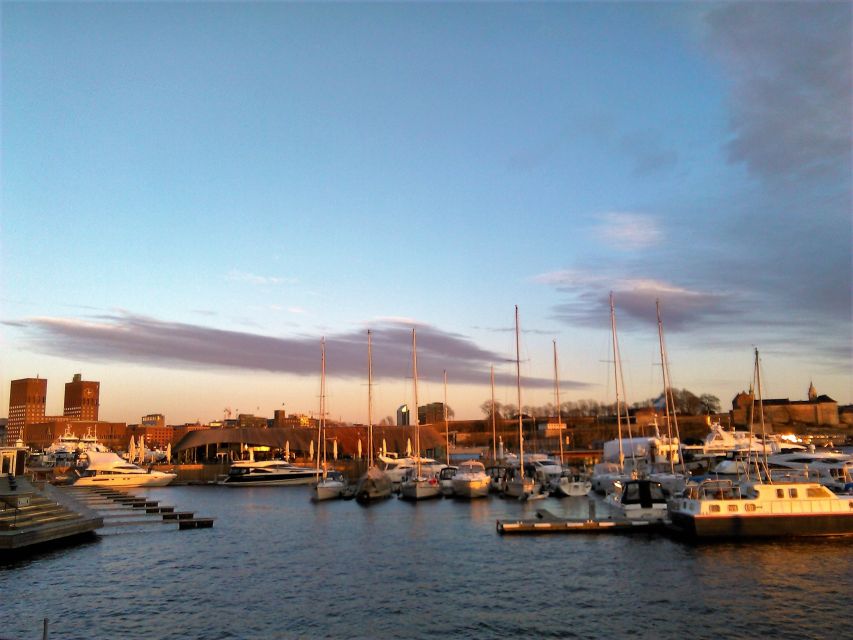
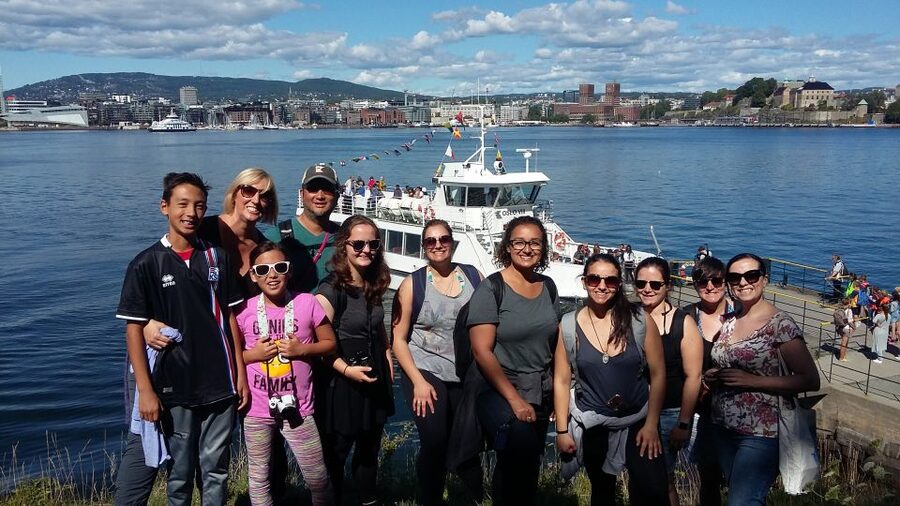
At the end, the ferry returns you to the city center with an attractive approach to Oslo’s harbor. You can see Akershus Festning, City Hall, and the renewed waterfront around Aker Brygge. This final arrival gives you a useful visual map of the city after several hours on the islands.
The crossing times are short, about 10 minutes at the beginning, 10 minutes between Hovedøya and Gressholmen, 15 minutes toward Lindøya in summer, and 10 minutes back to Rådhusbrygge 4. You are never stuck on the boat for long, but you get enough time to reset before the next walk.
Because the ferries are public, schedules and the seasonal route matter. April through August brings three islands and the longer outing. September through March brings two islands and a shorter schedule. Check the exact departure time when booking, and do not assume the summer itinerary applies outside those months.
A different way to spend a day from here:
- Oslo: 3-Hour Highlights Bike Tour
★ 4.8 · 1,609 reviews - Oslo: 24 or 48-Hour Hop-On Hop-Off Sightseeing Bus Ticket
★ 4.1 · 1,470 reviews - Oslo: Guided Sightseeing Fjord Cruise on Premium Silent Boat
★ 4.7 · 1,390 reviews - Kon-Tiki Museum Entrance Ticket
★ 4.5 · 1,096 reviews
The Guides Add More Than Directions
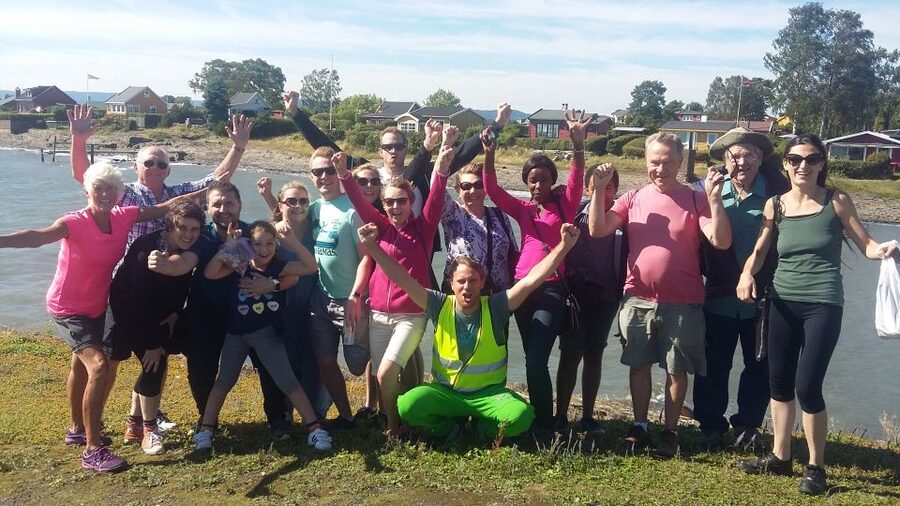
The guide can make or break a walking tour, and this one has received especially strong praise for its human touch. Names appearing repeatedly in recent departures include Shaf, Giovanni, Patrick, Carolina, Jon, Neil, Kat, and Laura.
The best part of the guiding style is the mix of formal history and useful local advice. Shaf, for example, has been praised for suggesting walks, restaurants, and other things to do in Oslo after the tour. Giovanni has been singled out for detailed explanations of Norwegian history, culture, and the islands.
Other guides bring their own character. Carolina has been described as warm and attentive, while Patrick is noted for local insight and easy conversation. One guide, Lola, added Norwegian folk songs to the walk. These personal touches are not guaranteed on every departure, but they show the kind of relaxed, social atmosphere the experience aims for.
Group care also comes through in the practical details. On an icy day, a guide supplied crampons so the group could walk more safely. Guides have adjusted their pace for people with knee trouble and checked that nobody was left behind.
Still, you should not mistake friendly guiding for a private tour. The experience is designed for a group, and the pace must work around ferry times. You will have chances to ask questions and take pictures, but not unlimited time at every stop.
What to Pack for Seven Kilometers Outdoors
Good trail shoes are the most important item. The route covers roughly 7 kilometers, or about 10,000 steps, on gravel, dirt paths, and stones. Comfortable city sneakers may be fine in dry summer weather, but they are a poor gamble in rain, snow, or ice.
Bring a small backpack with:
- Water
- Lunch from April through September
- Swimwear and a towel if you may use the beaches
- Extra layers
- Weather protection
- Snacks
- A phone or camera
Rain gear is not included, so bring your own waterproof jacket and trousers if the forecast looks unsettled. The tour goes ahead in wet weather, and the scenery can still be beautiful, but you will enjoy it more if you are dry.
Winter requires a more serious approach. Reviews describe freezing mornings, rain, snow, and slippery paths. Warm drinks are included from October through March, but they do not replace gloves, a hat, waterproof footwear, and a warm outer layer.
The experience is not suitable for children under nine or for wheelchair users. That reflects the walking surfaces, ferry access, and uneven island paths. If you have a knee injury or limited mobility, consider the 7-kilometer distance carefully, even though guides may help with pacing.
Is the Tour Worth $69?
At $69, this is not the cheapest way to see Oslo’s islands. Public ferries can take you to the same general places for less, especially if you are comfortable planning your own route and researching the history beforehand.
The value comes from combining four elements in one outing: ferry tickets, a guide, three islands in summer, and a planned walking route. You also avoid spending your limited vacation time figuring out which ferry connects to which island and how to get back for the return crossing.
I think the price makes the most sense on a first visit to Oslo. You get a broad introduction to the fjord, nature, military history, early Christianity, and cabin culture without committing to a full-day excursion.
In winter, the shorter two-island version still offers solid value if you want outdoor scenery and warm drinks. The tradeoff is clear: you pay nearly the same price for less time and fewer islands, but winter daylight and weather make the shorter route practical.
Who Should Book This Island Hike?
I would choose this tour if you want to get beyond Oslo’s central streets and you enjoy walking with a story attached to the scenery. It suits couples, families with older children, solo visitors, and anyone who prefers a guided introduction to local nature rather than a standard city bus tour.
It is also a good early-trip activity. The guides often provide suggestions for further walks, food, and sightseeing, and the ferry route helps you understand how Oslo fits around its fjord.
I would not choose it if you want a relaxed boat cruise with minimal walking. You spend much of the four hours on foot, and the weather can change the feel of the day. Nor is it ideal if your schedule is tight enough that a missed ferry or slower walking pace would cause stress.
The cancellation terms are flexible: you can cancel up to 24 hours before departure for a full refund, and you can reserve now and pay later. The meeting point is easy to reach at Rådhusbrygge 4, but arrive early enough to find Platform E beside Fisketorget.
My Verdict: Book It for Nature and Context
Book this tour if Hovedøya’s abbey, quiet beaches, island cabins, and short ferry rides sound more appealing than another indoor attraction. The guide turns a do-it-yourself ferry outing into a connected story about Oslo, from monks and cannons to airport ruins and summer gardens.
Choose the warmer months if you want the complete three-island route, a longer walk, and a proper picnic. Choose winter if you are prepared for cold, ice, and a shorter two-island trip, with hot drinks waiting along the way.
For most active visitors, the combination of scenery, history, and easy public transport makes the $69 worthwhile. Pack sturdy shoes, bring lunch in summer, and leave room for the weather to be part of the experience.
FAQ
How long is the Oslo Nature Walks Island Hopping Tour?
From April through August, the tour lasts about four to four and a half hours. From September through March, it lasts about three and a half hours.
How many islands does the tour visit?
The warmer-season route visits three islands: Hovedøya, Gressholmen, and Lindøya. From September through March, the tour visits two islands.
Where does the tour start and finish?
The tour starts and finishes at Rådhusbrygge 4 in Oslo. The meeting point is near the public ferry departure area at Platform E, beside the restaurant Fisketorget.
What language is the tour conducted in?
The live guided tour is conducted in English.
Are ferry tickets included?
Yes. Tickets for the public ferries used during the tour are included.
Should I bring lunch?
Bring your own lunch from April through September because the tour includes a picnic stop. A local kiosk may be open for extra snacks or ice cream, depending on the weather and opening hours.
Are warm drinks included?
Warm drinks are included from October through March. During the warmer months, food and drinks are not included.
How much walking is involved?
You walk approximately 7 kilometers, or about 10,000 steps, on gravel, dirt paths, and stones. Good trail shoes are recommended.
Is the tour suitable for children and wheelchair users?
The tour is not suitable for children under nine years old or for wheelchair users.
What should I bring?
Bring comfortable trail shoes and a backpack with water, food during the warmer months, and swimwear and a towel if desired. Rain gear is not included, so bring your own protection from wet weather.
Recently added around Oslo
- The Vigeland Park in Oslo: Insta-Perfect Walk with a Local★ 5.0 · 3 reviews
- Oslo: Best of Oslo Walking Tour and Hop-on Hop-off Bus Tour★ 3.7 · 3 reviews
- Best of Oslo: Walking Tour with a local guide★ 4.6 · 3 reviews
- Afternoon Tea and Classic Concert on the Fjord★ 4.5 · 3 reviews
- Maral Kunst : Jewelry Bar Experience (Jewelry Making)★ 5.0 · 3 reviews
- Lake walk and campfire★ 4.7 · 3 reviews
- Oslo: Yoga & Hiking with a dog★ 5.0 · 3 reviews
- Oslo: Skjennungstoppen Wildlife Forest Hiking Tour★ 5.0 · 3 reviews
Oslo Tours, compared.
Scenic Fjord Cruise with Audio Guide Commentary
Read our review →


Guided Sightseeing Fjord Cruise on Premium Silent Boat
Read our review →

Browse the lists this tour appears in