
Reviewed · OSLO TOURS
Kon-Tiki Museum Entrance Ticket
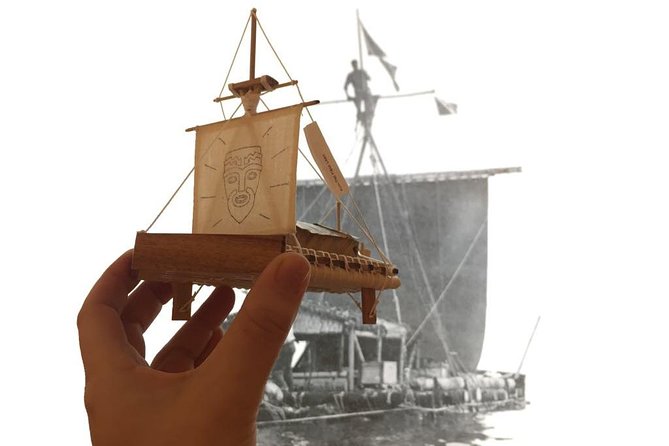
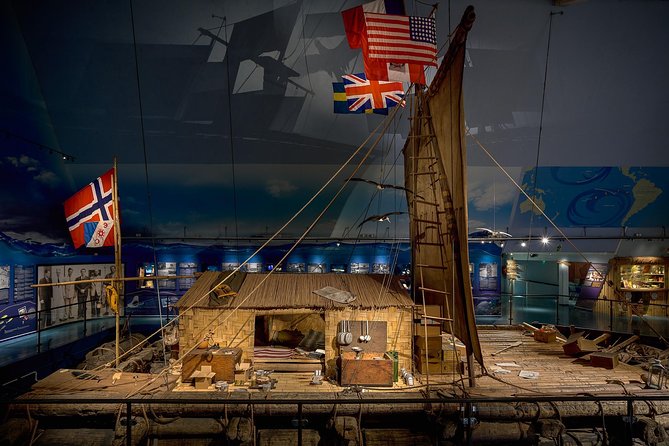
The most gripping object here is the original Kon-Tiki raft, a surprisingly small, rough-looking craft that carried Thor Heyerdahl and five crew members across the Pacific in 1947. You can walk around the vessel and then follow the story through boats, artifacts, films, and displays tied to Easter Island, the Galapagos, and other expeditions.
I like the museum’s clear adventure-story structure, which works well for children and adults. I also like the daily screening of the original Oscar-winning Kon-Tiki film at noon. The main drawback is that some displays may feel dated, and the museum can take only about an hour if you read selectively.
Key points to know before you go
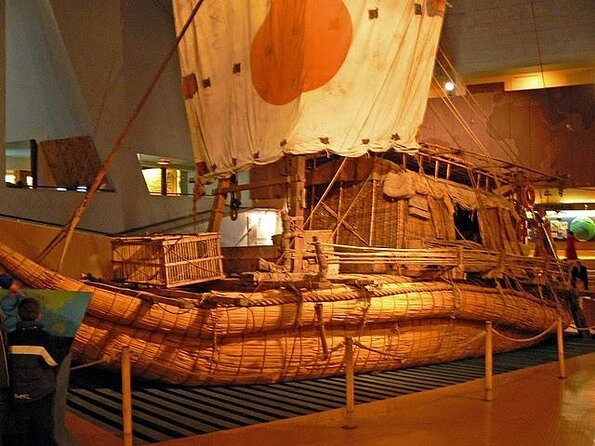
- The original Kon-Tiki raft is the main event: Seeing the cramped balsawood vessel in person gives Heyerdahl’s voyage a scale that photographs cannot.
- The noon film is worth planning around: The original documentary includes footage made by the expedition crew and adds drama and detail to the museum displays.
- You can visit without a guide: This is a self-guided museum experience, so you set the pace and choose how much reading to do.
- Allow one hour at minimum: A quick visit takes about an hour, but two hours is reasonable if you watch the film and study the exhibits.
- It pairs neatly with the Fram Museum: The two museums are next to each other, making this a practical half-day stop on Oslo’s Bygdøy peninsula.
- The ticket costs $19.42 per person: That is fair if you value the film, original vessels, and careful displays, but less compelling if you want a large, modern museum with many rooms.
Why the Kon-Tiki raft still grabs your attention

Thor Heyerdahl’s 1947 voyage began with a bold idea: people from South America might have reached Polynesia before European contact. To test whether such a journey was possible, he and five crew members crossed the Pacific on a raft made mainly from balsa wood.
The original raft is not sleek or grand. That is exactly why it works. It looks like a working vessel built from logs, rope, and practical solutions rather than a polished ship designed for comfort. Standing beside it, you can better understand how exposed the crew must have been and how little private space they had.
The displays explain the expedition and introduce the people behind it. You get more than a picture of Heyerdahl as a lone adventurer. The museum also shows the crew’s backgrounds and the planning that made the crossing possible.
That human detail matters. Big adventure stories can become tidy legends, but the cramped raft and personal material bring the risks back into focus. You are not simply looking at an old boat. You are looking at the central piece of an experiment that captured worldwide attention.
More Museums in Oslo
- Oslo: Paradox Museum Entry Ticket
★ 4.3 · 799 reviews - The Fram Museum Admission Ticket
★ 4.5 · 490 reviews - Oslo: Oslo Discovery Tour with 2 Museums Included
★ 4.6 · 334 reviews
Inside the Kon-Tiki Museum
The museum presents several parts of Heyerdahl’s work, with the Kon-Tiki expedition as the anchor. You can see original vessels and follow displays connected with the raft voyage, the reed boats Ra and Tigris, Easter Island, Fatu-Hiva, Túcume, and the Galapagos.
The museum also includes a section on Heyerdahl himself, his library, and the way his expeditions entered popular culture. This gives you a broader view of the man, though the focus remains on his major voyages rather than a full, detailed biography.
The Ra and Tigris boats help show how Heyerdahl kept testing ideas about long-distance sea travel. They also make the museum feel larger than a single-expedition memorial. Each vessel offers a different answer to the same basic question: can a boat made with old techniques cross a difficult stretch of ocean?
Artifacts connected with Easter Island and the Galapagos add another layer. These objects help place the voyages in a wider setting, though the amount of information you absorb depends on how closely you read the labels. If you are interested in archaeology, migration, or old navigation methods, plan extra time.
A 30-metre cave tour and an underwater exhibit with a 10-metre model of a whale shark add variety. These features are especially useful if you are visiting with children who need a change from written panels and historical displays.
The original film at noon
Try to arrange your visit around the 12 noon screening of the original Kon-Tiki documentary. It runs in the museum cinema every day and uses actual footage taken by the expedition crew.
The film gives the raft a sense of movement that a stationary display cannot. You see the voyage as a sustained task rather than a single heroic image. The rough sea, basic equipment, and limited room help explain why the expedition became such a powerful story.
You do not need the film to understand the museum, but it makes the visit stronger. If your schedule allows only one hour, arrive early enough to see the film and then walk through the main exhibits. If you prefer to read every panel, you will probably need more time.
The museum’s film is also a good reason to avoid treating this as a quick photo stop. Seeing the raft takes only a few minutes. Understanding what it represented takes longer.
How long should you spend here?

The stated visit lasts about one hour, and that works for a brisk visit focused on the raft and main displays. I would allow 90 minutes to two hours if you want the film, cave section, underwater exhibit, library material, and expedition displays.
One person can move through the museum quickly. A family may take longer because children often stop at the vessels, the whale shark model, and the more visual sections. An 11-year-old can follow the story well, especially if you introduce the basic idea before arriving: a small group crossed the Pacific on a handmade raft to test a theory.
The museum does not require a fixed route or a guide. You can spend more time on Kon-Tiki and less on the later expeditions, or work through the exhibits in greater detail. That freedom is useful on a busy Oslo day.
The possible weakness is depth. If you want a full account of Heyerdahl’s personal life, the scientific debate around his theories, or every stage of his research, you may find the presentation limited. One display focuses on this expedition-driven story rather than serving as a complete academic biography.
A different way to spend a day from here:
- Oslo: Scenic Fjord Cruise with Audio Guide Commentary
★ 4.5 · 5,375 reviews - Oslo Nature Walks: Island Hopping Tour
★ 4.8 · 2,713 reviews - Oslo: 100% Electric Oslofjord Sightseeing Cruise
★ 4.4 · 2,041 reviews - Oslo: Fjord Evening Cruise with Shrimp Buffet
★ 4.5 · 1,956 reviews
Is $19.42 good value?
At $19.42 per person, this is not Oslo’s cheapest museum stop. The price makes the most sense if you will watch the film, spend at least 90 minutes inside, and combine the visit with another Bygdøy attraction.
The ticket includes local taxes. It does not include transport, food or drinks, souvenirs, or a guide. Since this is a self-guided museum, you should not expect a personal introduction or a scheduled tour leader.
For a short visit centered on one famous raft, the value is more personal. If you have long admired Heyerdahl, the chance to see the actual Kon-Tiki may easily justify the admission. If you are only mildly curious, the nearby Fram Museum can make the trip feel more worthwhile by giving you two distinct maritime stories in one outing.
The museum has a souvenir shop, but purchases cost extra. There is also a café outside the museum area that can make a daytime visit easier, particularly if you are combining the stop with the Fram Museum.
Getting to Bygdøy and combining museums
The Kon-Tiki Museum is near public transportation, and a bus from Oslo city center stops right in front of the museums. A hop-on, hop-off bus can also provide access, according to the practical information available for the site.
The museum sits next to the Fram Museum. That location is one of its strongest advantages. The Fram tells the story of polar exploration, while Kon-Tiki follows a Pacific crossing and reed-boat expeditions. The subjects differ, but both places focus on real vessels and the people who used them.
You can also connect this stop with other Bygdøy sights, including the Folkemuseum and the Viking Ship area named in the local museum cluster. The exact amount you can fit into one day depends on opening hours and your pace, so do not assume every nearby attraction will fit comfortably.
If you arrive by cruise ship, the museum is not far from the port, but you still need to arrange your own transport. Transportation to and from the attraction is not part of this ticket.
What works best for families

This is one of Oslo’s better museum choices for a mixed-age group. The central story is easy to explain, the boats are real and unusual, and the cave and whale shark sections break up the reading.
Children may not follow every detail about migration theories or expedition research. They can still understand the basic drama: six people set off across a huge ocean on a raft made from natural materials. That simple idea carries the visit.
I would give younger children a few things to look for before entering. Ask them to notice how much room the crew had, what the raft is made from, and how different it looks from a modern boat. This turns the visit into a search rather than a long series of display panels.
Adults will find more to consider in Heyerdahl’s methods, his use of original boats, and the question of how experimental voyages can challenge accepted ideas. The museum does not need to settle every academic argument to make the expedition worth examining.
No animals are allowed. Most people can take part, and the museum is near public transportation, but the supplied details do not provide a full accessibility description. If you need specific access information, check with the museum before booking.
What may feel dated
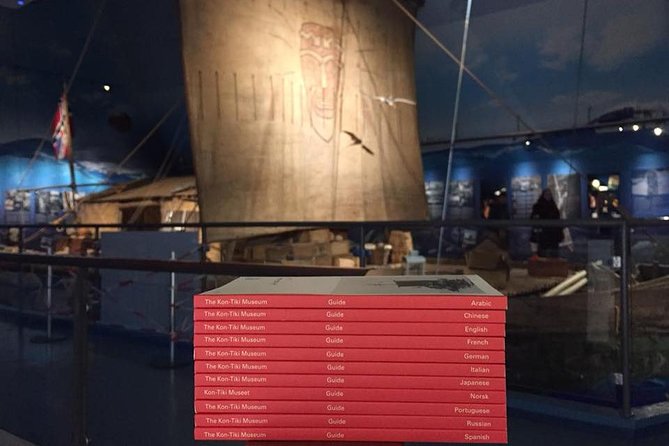
One fair criticism is that parts of the exhibition can feel old-fashioned. The presentation is built around established displays, original vessels, films, and written information rather than a large number of new interactive stations.
That will suit you if you like traditional museums where the objects carry much of the story. It may disappoint you if you expect a highly updated technology-led exhibition.
The museum has announced plans to transform the Kon-Tiki display with a new presentation of the raft, an ocean and sky setting, interactive stations, and an underwater scene beneath the vessel. Since exhibition work can affect what you see on a particular date, check current conditions before you visit if the raft display is your main reason for booking.
Even with older sections, the original boats remain the strongest objects in the building. A new screen cannot replace the feeling of seeing the real raft and the narrow reed vessels.
Who should book this experience?
I would choose this museum if you like exploration, unusual boats, archaeology, maritime history, or stories built around a risky experiment. It also fits families who want a museum with a clear plot and plenty of visual material.
It is a particularly good choice for anyone already planning to visit the Fram Museum. The two are next door, and the combination gives you a full block of Oslo’s exploration story without spending the day crossing the city.
You may want to skip it if your schedule is extremely tight and you have no interest in Heyerdahl. The museum is compact, and much of its appeal rests on the original Kon-Tiki raft and the story surrounding it. It is not designed as a broad survey of all Norwegian history.
The advance ticket can make arrival quick and convenient. Confirmation is received when you book, and free cancellation is available up to 24 hours before the experience start time. Changes or cancellations inside that 24-hour window are not accepted for a refund, and the cut-off uses local time.
My verdict on the Kon-Tiki Museum ticket
Book it if you want to see the original raft, can attend the noon film, and have room in your Oslo schedule for a Bygdøy museum day. The 91 percent recommendation rate and 4.5 rating from 1,095 evaluations reflect a consistently strong experience, though the value depends on your interest in Heyerdahl.
I especially like the combination of a genuine historic vessel and real expedition footage. The museum can feel compact and a little dated, but the central story remains unusual, easy to follow, and surprisingly powerful.
For the best value, plan on at least 90 minutes, arrive in time for the 12 noon film, and pair the ticket with the Fram Museum next door. If you only have one hour, focus on Kon-Tiki, the film, and the main expedition displays.
FAQ
How much does the Kon-Tiki Museum entrance ticket cost?
The listed price is $19.42 per person. Local taxes are included.
How long does a visit to the Kon-Tiki Museum take?
The experience is described as lasting about one hour. Allowing 90 minutes to two hours gives you more time for the film and detailed exhibits.
Is the original Kon-Tiki raft on display?
Yes. The museum displays the original balsawood raft used by Thor Heyerdahl and his crew during their 1947 Pacific expedition.
When is the Kon-Tiki film shown?
The original Oscar-winning Kon-Tiki documentary is screened every day at 12 noon in the museum cinema.
Is transportation included with the ticket?
No. Transportation to and from the museum is not included. The museum is near public transportation, and a bus from Oslo city center stops in front of the museums.
Can I cancel the ticket for a full refund?
Yes, you can cancel for a full refund up to 24 hours before the experience start time. Cancellations or changes made less than 24 hours before the start time are not accepted for a refund.
Recently added around Oslo
- The Vigeland Park in Oslo: Insta-Perfect Walk with a Local★ 5.0 · 3 reviews
- Oslo: Best of Oslo Walking Tour and Hop-on Hop-off Bus Tour★ 3.7 · 3 reviews
- Best of Oslo: Walking Tour with a local guide★ 4.6 · 3 reviews
- Afternoon Tea and Classic Concert on the Fjord★ 4.5 · 3 reviews
- Maral Kunst : Jewelry Bar Experience (Jewelry Making)★ 5.0 · 3 reviews
- Lake walk and campfire★ 4.7 · 3 reviews
- Oslo: Yoga & Hiking with a dog★ 5.0 · 3 reviews
- Oslo: Skjennungstoppen Wildlife Forest Hiking Tour★ 5.0 · 3 reviews
Oslo Tours, compared.
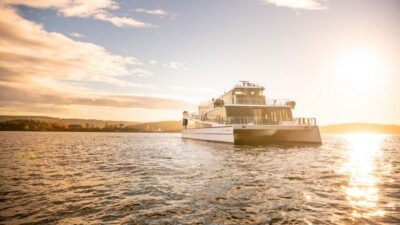
Scenic Fjord Cruise with Audio Guide Commentary
Read our review →
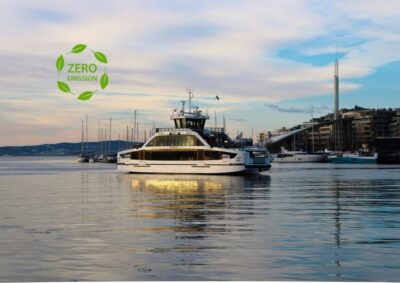


Guided Sightseeing Fjord Cruise on Premium Silent Boat
Read our review →

Browse the lists this tour appears in