
Reviewed · OSLO TOURS
Oslo: History, Art and Secrets Tour
Oslo has a storybook way of revealing itself on foot. This 3 to 4-hour tour links the Royal Palace, harbour, fortress, city center, and Opera House while explaining how repeated fires helped shape the capital you see today. Guides including Anders, Michael, Radu, Magnus, and Luis bring different voices to the walk, with history, architecture, art, and practical food tips along the way.
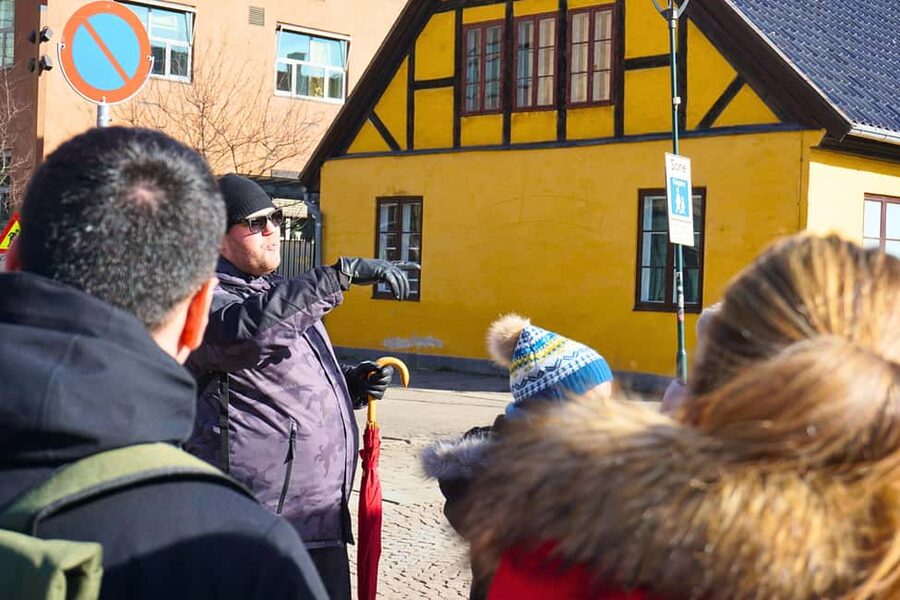
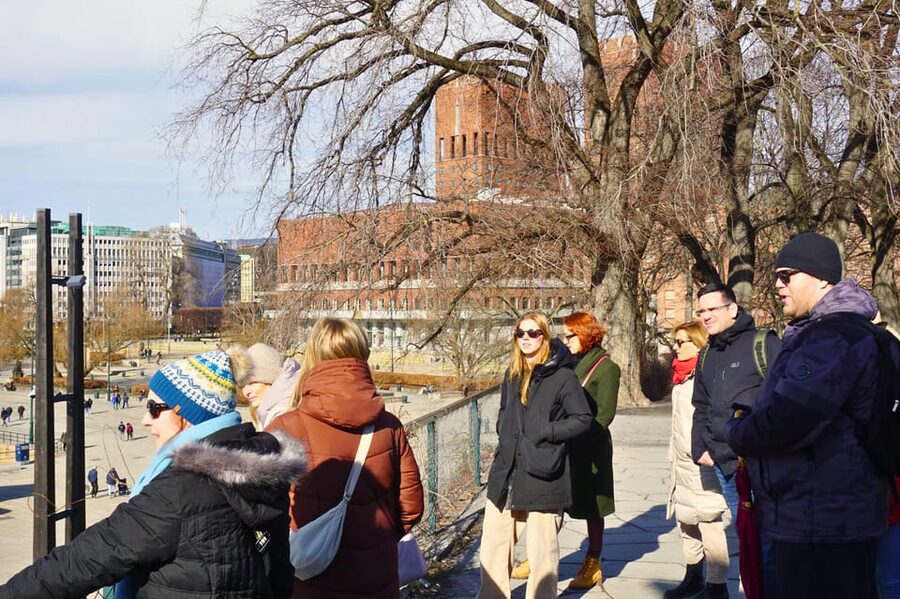
I like the downhill route, which lets you begin near the Palace and gradually work toward the waterfront rather than tackling Oslo as a tiring uphill march. I also like the small groups of no more than 10, since guides can answer questions, pause for photographs, and keep slower walkers involved.
The main consideration is the length and walking pace. You cover a large part of central Oslo, and the tour is not suitable for wheelchair users or people with mobility impairments. Wear proper shoes and expect weather exposure.
Key points to know before booking
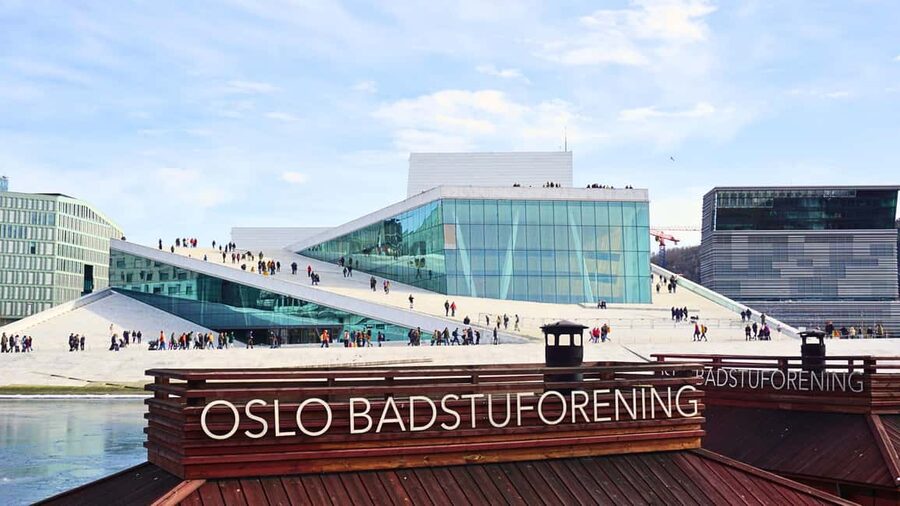
- Royal Palace to Opera House route: The walk connects major sights in a logical downhill path through central Oslo.
- Stories beyond the usual landmarks: You hear about fires, rebuilding, architecture, art, and lesser-known city anecdotes.
- Small groups of up to 10: The format allows time for questions and personal recommendations.
- A real view of the fjord: Aker Brygge, the harbour, and several viewpoints give you good camera stops.
- Opera House entry included: You go inside this modern landmark, while museum admission is not included.
- Useful first-day orientation: The route ends near central transport links and covers places you may want to revisit.
Why this walk is a good introduction to Oslo
At $41 per person, this is priced as an affordable orientation tour rather than a full museum experience. You pay for a local guide, a carefully linked route, stories at each stop, scenic viewpoints, and entry into the Opera House. Since museum tickets are not included, you should budget separately if you want to visit the Munch Museum or other cultural sites afterward.
I see the best value here in the context. Oslo’s central sights are easy enough to locate, but their meaning is less obvious when you see them one by one. A guide can connect the Palace, harbor, fortress, railway station, and modern waterfront into one story.
The tour is especially useful on your first day. It helps you understand where the center ends, how the waterfront fits into the city, and which places deserve a longer return visit. Several guides also offer practical tips about restaurants and other activities, including suggestions for different budgets.
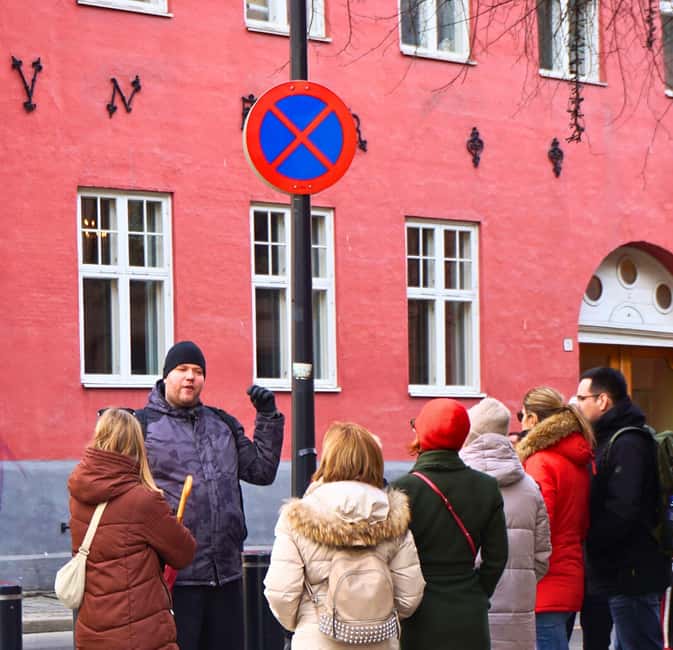
The small-group format matters. With 10 people or fewer, you are not lost in a crowd at a busy square. You can ask why a building looks the way it does, request a photograph, or pause for clarification without holding up a large procession.
More Historical Tours in Oslo
- Oslo: Historic Myths & Legends Evening Walking Tour
★ 4.8 · 408 reviews - Oslo City Walks – Historic River Walk
★ 5.0 · 31 reviews - A Well Balanced History and Food Tour with Focus on the Scandinavian Kitchen
★ 4.5 · 29 reviews
Starting at the Royal Palace
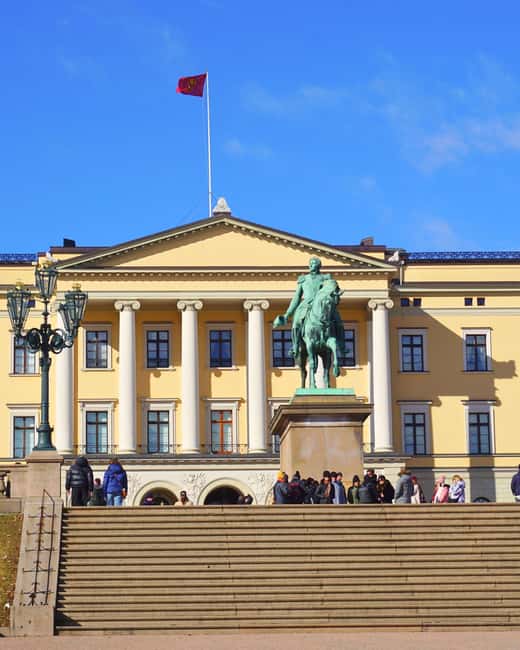
The walk begins at the Royal Palace or Slottsparken, depending on the option you book. This is a sensible starting point because the Palace sits above much of central Oslo, giving the route a natural downhill direction.
You begin with the royal setting and the broad streets around Slottsparken. From there, the guide puts modern Oslo into context, moving from the city’s earlier development toward its present-day public buildings and waterfront projects.
The Palace stop itself is more of an orientation point than a palace visit. The experience does not include entry to museums or royal interiors, so think of this opening section as a chance to understand Oslo’s civic center before walking on.
Wear comfortable shoes from the start. The tour covers a sizable area, and even a mostly downhill route still involves several hours on pavement, stops, and movement between landmarks.
Aker Brygge and the Oslo waterfront
The route continues toward Aker Brygge, with about 10 minutes set aside for guided sightseeing and walking. This waterfront district gives you a first close look at Oslo’s relationship with the fjord.
The stop works well as a contrast with the Palace. You move from formal streets and royal surroundings to a more open harbor setting, where the water and views become central to the experience.
This is one of the better places to keep your camera ready. The tour description calls out viewpoints throughout the walk, and the waterfront gives you a clear chance to frame Oslo with the fjord behind it.
Do not expect a long free period here. The stop is part of a moving city walk, not a waterfront lunch break. If you want time to browse or eat around Aker Brygge, plan to return after the tour.
Oslo City Hall and the city’s public face
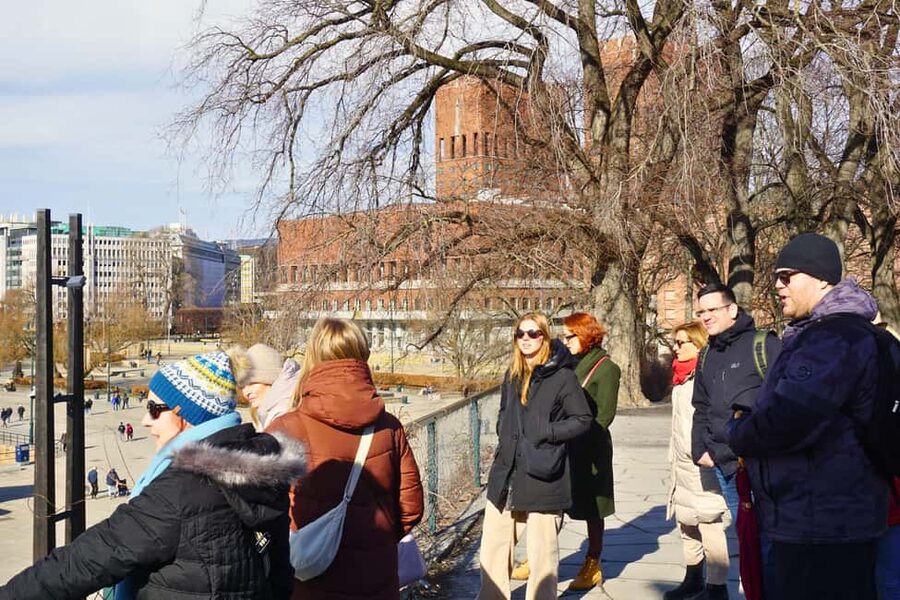
At Oslo City Hall, you get a guided sightseeing and photo stop of roughly 10 minutes. City Hall is an important pause because it shifts the story from royal Oslo to the city’s civic identity.
Your guide may use the building and its setting to explain how Oslo presents itself as a modern capital. This is also a practical photo stop, especially if you want a record of the route’s central landmarks without spending time finding the best angle alone.
The schedule is fairly brisk. Ten minutes is enough for an explanation and photographs, but not for a detailed interior visit. The tour includes guided access to the Opera House later, while museum admissions and other ticketed entries are not part of the price.
A different way to spend a day from here:
- Oslo: Scenic Fjord Cruise with Audio Guide Commentary
★ 4.5 · 5,375 reviews - Oslo Nature Walks: Island Hopping Tour
★ 4.8 · 2,713 reviews - Oslo: 100% Electric Oslofjord Sightseeing Cruise
★ 4.4 · 2,041 reviews - Oslo: Fjord Evening Cruise with Shrimp Buffet
★ 4.5 · 1,956 reviews
Karl Johans Street, Oslo’s central spine
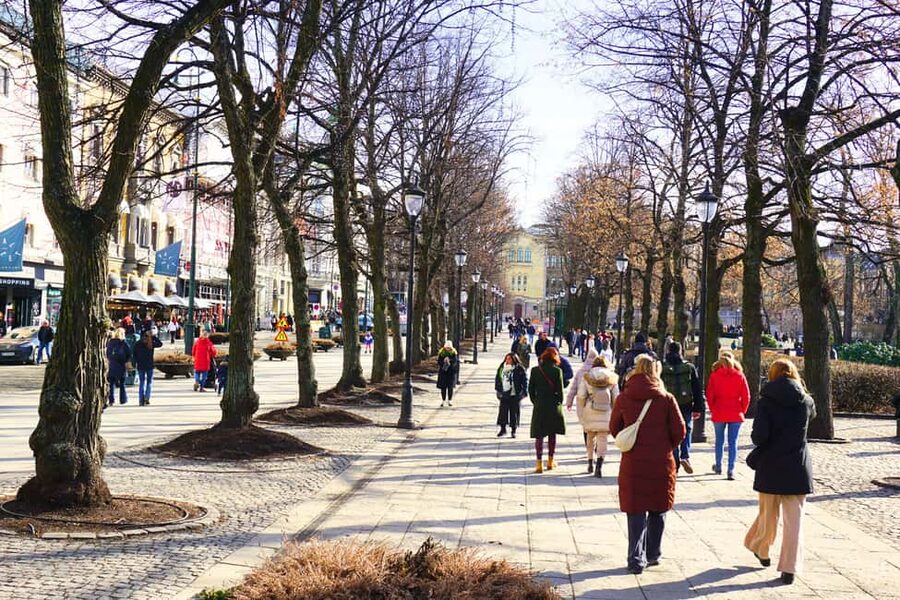
The walk then follows Karl Johans Street, with around 15 minutes for sightseeing, photographs, and walking. This is one of the clearest places to feel the structure of central Oslo, as the street links major civic and transport areas.
Here, your guide can bring together the city’s past and present. The tour focuses on Oslo’s medieval beginnings, later changes, and modern transformation, so this broad central route becomes more than a parade of buildings.
I like this section because it helps you get your bearings. Afterward, you can more easily place the Palace, railway station, waterfront, and fortress in relation to one another.
The street can also be busy, and you should stay aware of the group while taking photographs. The small size helps, but this remains a walking tour through active public areas rather than a quiet private visit.
Oslo Central Station and the city’s modern gateway
Oslo Central Station receives about 15 minutes for a photo stop and guided sightseeing. For many people, this is the most useful practical point on the route because it is a major arrival and departure area.
The station also marks a change in atmosphere. You have moved through ceremonial streets and public landmarks and now reach the place where many visitors first enter Oslo. Your guide can help connect the city center to the wider visit, including where the tour ends and where you might continue independently.
One of the listed drop-off points is Oslo Central Station. That makes the end of the experience convenient if you are catching a train, finding your hotel, or continuing to another part of the city.
Akershus Fortress and Oslo’s older defenses
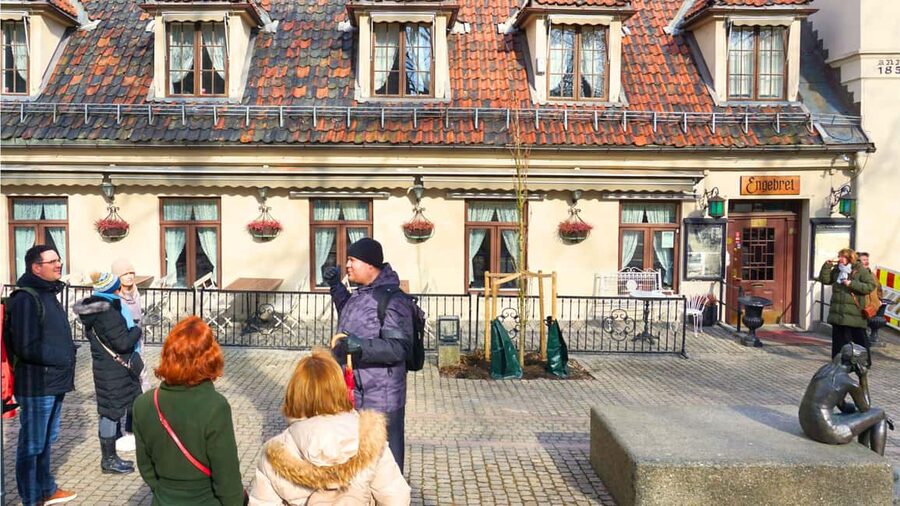
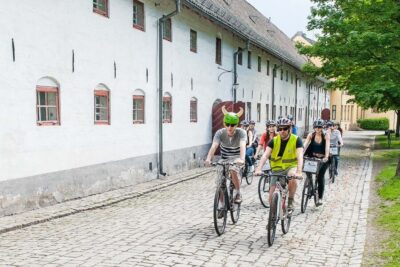
Akershus Fortress gets about 15 minutes for guided sightseeing, photographs, and walking. This is one of the most important historical stops, since the fortress gives you a stronger sense of Oslo’s earlier defensive and political role.
The setting also changes the visual rhythm of the tour. After the straight central streets, you reach an older fortified site with views toward the water. It is a good place to pause and let the guide explain how the city’s past connects to its present location.
The tour does not promise a full fortress interior visit or a separate museum ticket. Treat this as a guided outdoor stop unless your booking details say otherwise.
For photographers, this is another worthwhile camera point. The combination of fortifications, harbor views, and open sky gives you something different from the urban street scenes earlier in the walk.
Oslo Stock Exchange and the business district
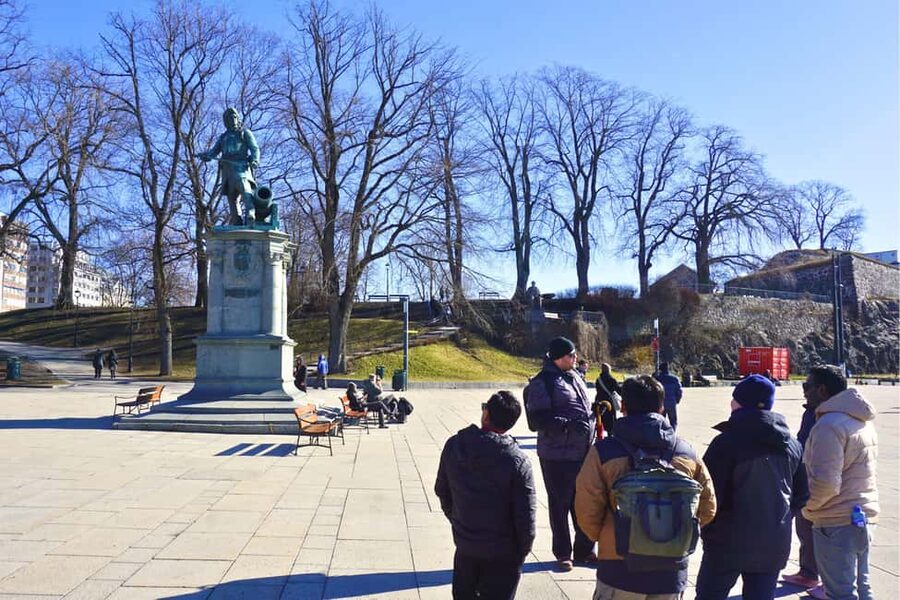
The Oslo Stock Exchange is scheduled as another 15-minute guided sightseeing and photo stop. It adds an economic angle to the tour, showing that Oslo’s identity is not only royal, military, artistic, or waterfront-based.
This part helps round out the city story. You hear about the forces that shaped Oslo over time, including rebuilding and modern development, while seeing an active central business setting.
The value of a guide is clearest at stops like this. A building that might look like a quick photograph on your own can become part of a larger explanation about the city’s growth, architecture, and changing priorities.
Entering the Oslo Opera House
The Opera House is the tour’s most distinct inclusion. You receive a 15-minute break, photo stop, visit, and guided tour, with entry inside included in the activity price.
This is a welcome change after several outdoor stops. You get time to look around, take photographs, and hear why this modern building matters to Oslo’s cultural identity.
The Opera House also gives you a strong final landmark before the Munch Museum. Its modern design and waterfront position make it one of the easiest places in Oslo to photograph, especially if you enjoy clean lines and broad views.
The break is useful, but it is not presented as a full meal stop. Bring water, and do not count on having time for a long café visit during the scheduled walk.
The Munch Museum and Oslo’s art story
The Munch Museum is the final major sightseeing stop, with about 15 minutes for photographs and guided commentary. This is a photo and orientation stop rather than a museum admission.
That distinction matters. The activity includes the Opera House, but it does not include tickets to museums. If you want to see Edvard Munch’s work inside the museum, you will need to arrange and pay for a separate entry.
Even from outside, the museum gives the walk an art-focused finish. The tour title promises history, art, and secrets, and this is where the art side becomes most visible. Your guide can explain why the museum belongs in Oslo’s modern cultural story, then point you toward a possible return visit.
If art is your main reason for visiting Oslo, use this tour as an introduction, not a substitute for museum time. The short stop helps you decide if the Munch Museum deserves several hours later.
The fire stories and the city rebuilt
A memorable thread of the walk is Oslo’s repeated destruction by fire over the last hundred years and the way the city rose from those losses. This gives the architecture more meaning than a simple list of dates and styles.
You are not just shown old and new buildings. You hear how destruction, rebuilding, and changing ideas about the capital affected what you see on the streets today.
That theme also explains why the tour includes such different settings. The Palace, City Hall, fortress, business district, Opera House, and Munch Museum each represent a different part of Oslo’s identity. Together, they show a city shaped by both memory and change.
The quality of this section depends partly on your guide. The guides associated with this experience include Anders, Michael, Radu, Magnus, and Luis. Their approaches may differ, but the strongest format is story-led rather than date-heavy. Anders, in particular, has been praised for allowing questions, helping slower walkers keep up, and mixing serious history with humor.
What the guide adds beyond the route
A good city walk is not only about reaching the sights. It is about learning how to read them. This experience gives you a local guide in English, German, Spanish, or Italian, depending on the departure and guide available.
You can expect explanations of architecture, city history, art, and local anecdotes. The guides also provide practical suggestions about restaurants and other activities. One guide is a professional chef, which may be useful if traditional Norwegian food is high on your list.
The personal touches can matter in a small group. Guides have helped with photographs, made sure slower walkers could hear, and offered a Christmas cookie on one occasion. Those details are not guaranteed, but they show the kind of attentive style you may encounter.
The tour has earned a 4.7 rating from 62 reviews, with repeated praise for clear explanations, friendly delivery, good restaurant advice, and the number of major sights covered in roughly three hours. The most consistent strength is the guide’s ability to make a large amount of information feel manageable.
Walking conditions, timing, and group size
The stated duration is 3 to 4 hours, and the exact starting time depends on availability. The itinerary includes many short stops, usually 10 or 15 minutes, with walking between them.
This is not a slow stroll with long periods at one café. You keep moving through central Oslo, stop for explanations and photographs, then continue downhill toward the waterfront and eastern side of the center.
A group limit of 10 is a strong advantage. You can hear the guide more easily, and the walk can pause for questions without becoming unwieldy. Still, you should be prepared for several hours on foot.
Bring comfortable shoes, water, a camera, and clothing suited to the weather. Oslo conditions can change, and several stops are outdoors. The experience is not suitable for wheelchair users or people with mobility impairments, so check this carefully before booking.
Free cancellation is available up to 24 hours before the tour for a full refund. You can also reserve now and pay later, which helps if your Oslo schedule is still shifting.
Who should book this Oslo walking tour?
I would choose this tour if you want a broad first look at Oslo and prefer stories to a checklist of sights. It suits solo visitors, couples, and small groups who want a guide but do not want to join a large crowd.
It is also a good fit if you enjoy architecture, city planning, public art, and local anecdotes. The route gives you enough history to make later museum visits and independent walks more rewarding.
You may want something else if your main goal is extended time inside museums, a relaxed café walk, or a fully accessible route. Museum tickets are extra, the schedule is active, and the experience covers a lot of ground.
Should you book the History, Art and Secrets Tour?
Book it if you are new to Oslo, want to cover the main central sights in one outing, and value a local guide who can add humor, food advice, and stories about rebuilding after fire. The $41 price is fair for a small group, a multi-stop route, scenic viewpoints, and entry into the Opera House.
I would schedule it early in your stay, then return to the Munch Museum, Akershus Fortress, or Aker Brygge with more time. Skip it if mobility is a concern or if you would rather spend three hours inside one museum than walking between many landmarks.
FAQ
Where does the Oslo walking tour start?
The tour starts at the Royal Palace or Slottsparken, depending on the option booked. The exact meeting point may vary, so check your selected option.
Where does the tour finish?
The activity can finish at Oslo Central Station, The Broker, or the Royal Palace, depending on the drop-off option.
How long does the experience last?
The tour lasts 3 to 4 hours. Starting times vary, so check availability when booking.
Is the Opera House included?
Yes. Entry into the Oslo Opera House is included, along with a guided visit and time for photographs.
Are museum tickets included?
No. Ticket entry to museums is not included. This applies to the Munch Museum and other museums you may wish to visit.
What languages are available?
The live guide may conduct the tour in English, German, Spanish, or Italian.
Is the tour suitable for wheelchair users?
No. The activity is not suitable for wheelchair users or people with mobility impairments. Comfortable walking shoes and weather-appropriate clothing are recommended.
Recently added around Oslo
- The Vigeland Park in Oslo: Insta-Perfect Walk with a Local★ 5.0 · 3 reviews
- Oslo: Best of Oslo Walking Tour and Hop-on Hop-off Bus Tour★ 3.7 · 3 reviews
- Best of Oslo: Walking Tour with a local guide★ 4.6 · 3 reviews
- Afternoon Tea and Classic Concert on the Fjord★ 4.5 · 3 reviews
- Maral Kunst : Jewelry Bar Experience (Jewelry Making)★ 5.0 · 3 reviews
- Lake walk and campfire★ 4.7 · 3 reviews
- Oslo: Yoga & Hiking with a dog★ 5.0 · 3 reviews
- Oslo: Skjennungstoppen Wildlife Forest Hiking Tour★ 5.0 · 3 reviews
Oslo Tours, compared.

Scenic Fjord Cruise with Audio Guide Commentary
Read our review →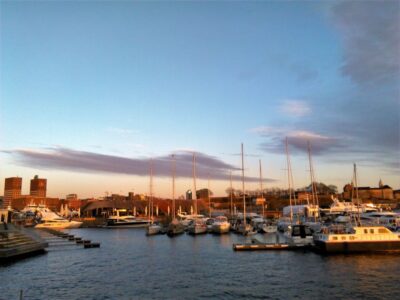


Guided Sightseeing Fjord Cruise on Premium Silent Boat
Read our review →
Browse the lists this tour appears in