
Reviewed · OSLO TOURS
Oslo: City Highlights Walking Tour
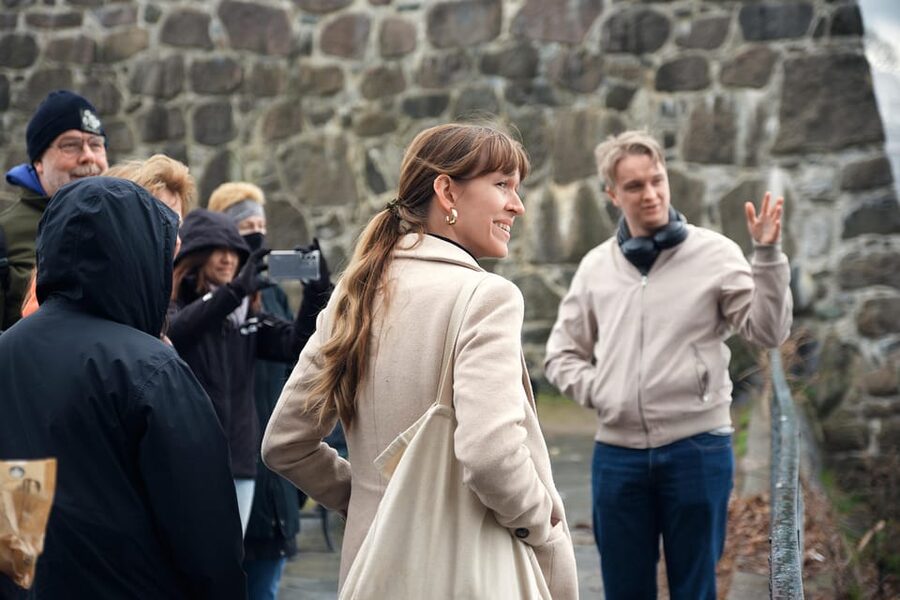
Oslo’s story makes the most sense when you walk from its medieval core to its modern waterfront. This two-hour tour links Akershus Fortress, Christiania Torv, Kvadraturen, the Opera House, and Karl Johan Street, so you see how the city grew from a fortified settlement into Norway’s capital.
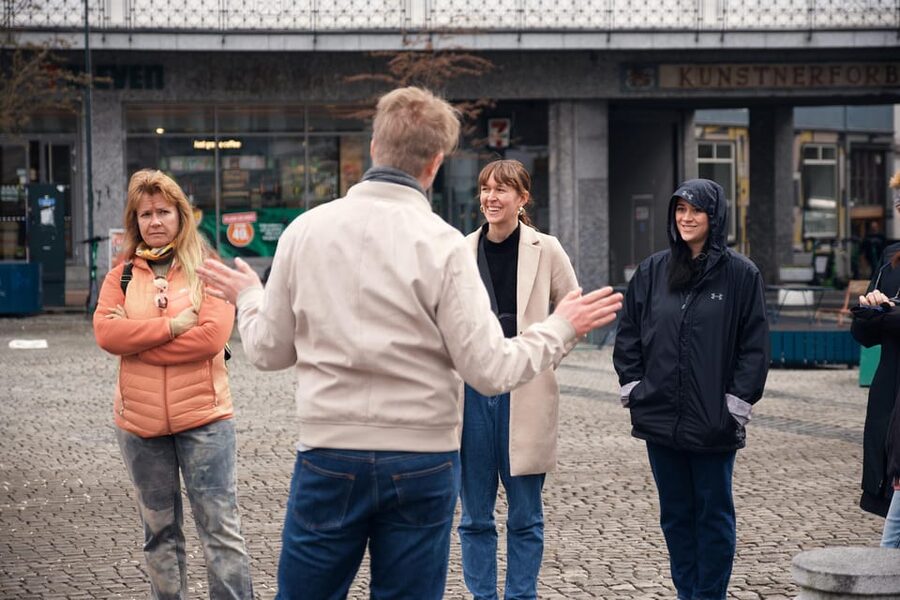
I like the clear old-to-new route, which gives you a useful mental map on your first day. I also like the German-speaking guide, especially if you want more than a quick photo stop and prefer to ask questions about Norwegian politics, language, culture, and daily life.
The main consideration is weather. The tour runs in rain and ordinary winter conditions, with cancellation only for severe storms. You’ll need comfortable shoes and proper outdoor clothing, and one past participant wished for more time to take photos at each stop.
Key points at a glance
- A two-hour route through Oslo’s main center: Begin near the Nobel Peace Center and finish near the University of Oslo.
- Old Oslo comes first: See Akershus Fortress, Christiania Torv, and the Kvadraturen district.
- Modern Oslo gets its turn: Walk to the Oslo Opera House beside the fjord.
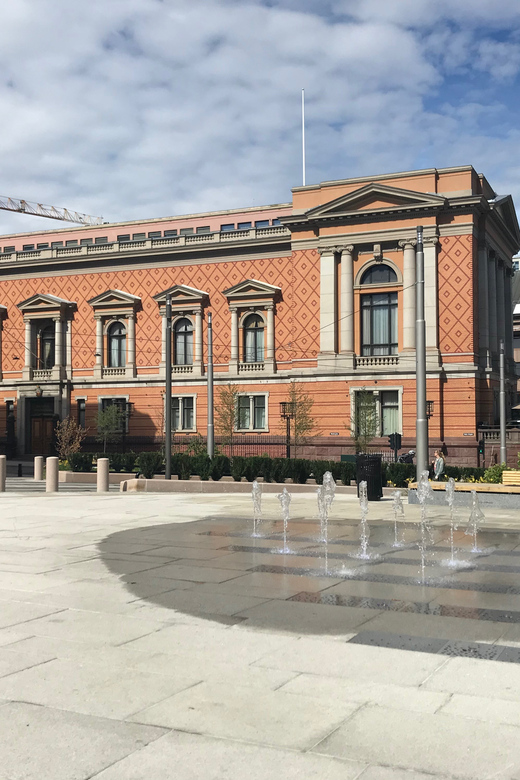
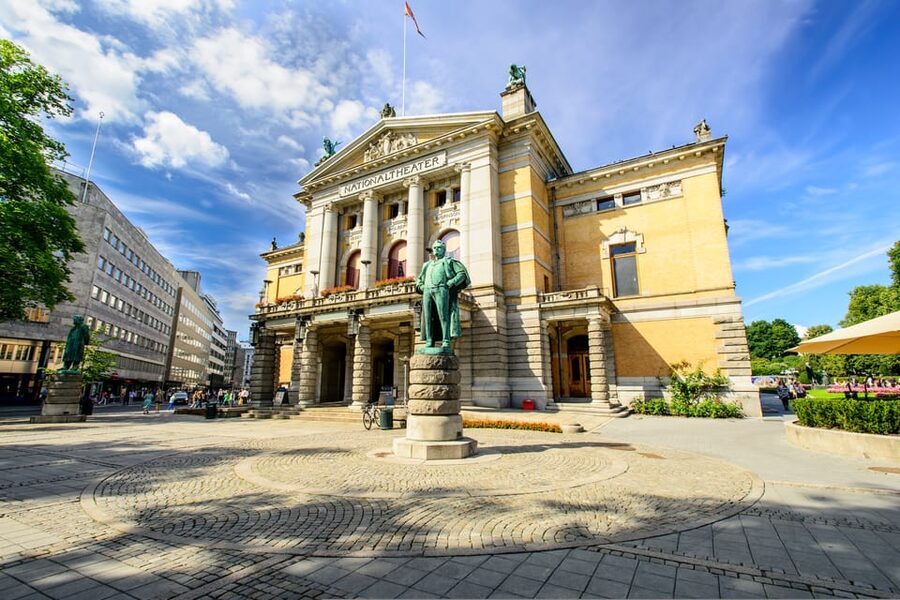
- Karl Johan Street ties the city together: Pass the Cathedral, Parliament, National Theater, and University of Oslo’s historic Aula.
- German is the tour language: Guides have included Emily, Anna Marie, Maria, and Olav.
- Good value for a first look: At $37 per person, the walk can help you decide which sights deserve a longer visit.
Why this Oslo walk works so well
I see this as an orientation tour first and a sightseeing tour second. You get a compact introduction to Oslo’s history, government, architecture, and city districts, all without spending half a day on a bus or moving between scattered meeting points.
The route also has a useful shape. You start near the Nobel Peace Center, head through the oldest part of central Oslo, reach the modern Opera House, then walk up Karl Johan Street toward the University of Oslo and a view of the Royal Palace. That progression helps you understand the city instead of simply collecting disconnected landmarks.
The German language is important here. The guide is not just giving short facts in passing. Past guides have discussed Norway’s languages, its ties with Denmark and Sweden, the country’s government, Oslo’s three city halls, and the city’s growth from the Viking era to the present day. If German is your strongest language, you’ll likely get more from the questions and explanations than from a standard English sightseeing walk.
The tour is rated 4.8 from 197 reviews, and the strongest pattern is consistent: people praise the guides for clear explanations, friendly energy, and the amount covered in two hours. That does not mean every guide will have the same style, but the format gives you a solid start in Oslo.
More City Tours in Oslo
- Oslo: City Sightseeing Hop-On Hop-Off Bus Tour
★ 3.6 · 724 reviews - Oslo: Grand City Sightseeing Tour by Bus with Fjord Cruise
★ 4.6 · 647 reviews - Oslo Combo Tour: Grand City Tour and Oslo Fjord Cruise
★ 4.5 · 555 reviews
Starting near the Nobel Peace Center
Your meeting point is near the entrance to the Nobel Peace Center. This is a convenient place to begin because you are already close to Oslo’s central waterfront and several major sights.
The opening section introduces the historical heart of the city. Your guide sets up the broader story before taking you toward Akershus Fortress, so the first part is less about rushing from one photo stop to another and more about understanding why Oslo developed where it did.
If you arrive early, check the exact entrance area carefully. The meeting point is described as being near the Nobel Peace Center entrance, not inside a particular lobby or exhibition room. That small distinction matters in a city center with several nearby streets and public spaces.
Akershus Fortress and Oslo’s medieval beginnings
Akershus Fortress gives the tour its strongest historical anchor. The imposing complex points back to Oslo’s medieval origins and helps explain the city’s defensive role.
You should expect to pass by the fortress and hear about its place in Oslo’s development rather than spend the full visit exploring every interior room. That is an important distinction. If you want a full fortress visit, museum time, or a slower look at the grounds, plan to return on your own.
The fortress also gives you a visual break from modern central Oslo. Stone walls, elevated defenses, and the waterfront setting make this one of the best parts of the walk for photography. Keep your camera ready, but do not expect long pauses at every landmark. The route covers a lot of ground in two hours.
Christiania Torv and the compact streets of Kvadraturen
From the fortress area, the walk continues through Christiania Torv and Kvadraturen. This section is valuable because it shows the original city layout and the older street pattern of central Oslo.
Christiania Torv connects with the city’s later identity, while Kvadraturen reveals how Oslo was planned and rebuilt. Your guide can make these names meaningful by explaining how the districts relate to the city’s past, rather than treating them as ordinary streets on the way to the next attraction.
This is also where the tour can help you get your bearings. If you are staying in central Oslo, you’ll begin to understand the relationship between the waterfront, the fortress, the older center, and Karl Johan Street. That orientation is especially useful if you have only one day in town.
More Walking Tours in Oslo
- Oslo: Best of Oslo Walking Tour
★ 4.5 · 458 reviews - Oslo: Guided Walking Tour of Central Oslo
★ 4.7 · 438 reviews - Oslo: Historic Myths & Legends Evening Walking Tour
★ 4.8 · 408 reviews - Taste of Oslo Walking Tour
★ 4.5 · 282 reviews
The Oslo Opera House and the modern waterfront
The Oslo Opera House shifts the mood. Its modern design and fjordside setting represent the newer face of the city, and the building gives you a strong contrast with Akershus Fortress and the older streets of Kvadraturen.
The tour uses this change in architecture to explain Oslo’s modern identity. You are not simply seeing an attractive building. You are watching the city move from medieval defenses and historic planning toward bold contemporary design.
This is one of the best photo sections of the route. The Opera House is visually striking, and the water adds space after the narrower streets of the old center. Still, the stop is part of a continuous walking tour, so you should not assume you will have time for a full interior visit or an extended walk across the roof.
If modern architecture interests you, note what you see here and consider returning later. The guided visit gives you context and a first look, while a separate visit lets you slow down and explore at your own pace.
Karl Johan Street, Oslo Cathedral, and Parliament
After the Opera House, the walk heads toward Karl Johan Street, Oslo’s main thoroughfare. This is the central spine of the final part of the route and one of the easiest places to connect Oslo’s public life with its historic buildings.
You pass the Oslo Cathedral, then continue toward the Parliament building. These sights help explain the city’s religious and political importance. The guide also discusses Norwegian government and public institutions, which adds more depth than a simple architecture walk.
Karl Johan Street can feel much more active than the old fortress area, so stay close to the group when crossing streets or moving through busy sections. The tour keeps a steady pace, and one person specifically felt uneasy about stopping for photos because the guide sometimes moved on immediately after finishing an explanation.
My advice is simple: take a quick photo while listening, then ask the guide when the group will pause. That small bit of communication can prevent you from feeling hurried.
National Theater and the University of Oslo’s Aula
The National Theater and the University of Oslo’s historic Aula bring the walk into the city’s cultural and academic center. These buildings add another layer to the tour, showing that Oslo’s identity is not limited to forts, government offices, and new architecture.
The Aula is especially useful as part of the final stretch because it leads naturally toward the University of Oslo and the view of the Royal Palace. By this point, you have crossed several periods of the city’s development in a short distance.
The ending near the University of Oslo gives the tour a pleasant finish. You get a picturesque view of the Royal Palace rather than ending abruptly at a random street corner. It is a good place to pause, take stock of what you have seen, and decide what to visit next.
What the guides add to the experience

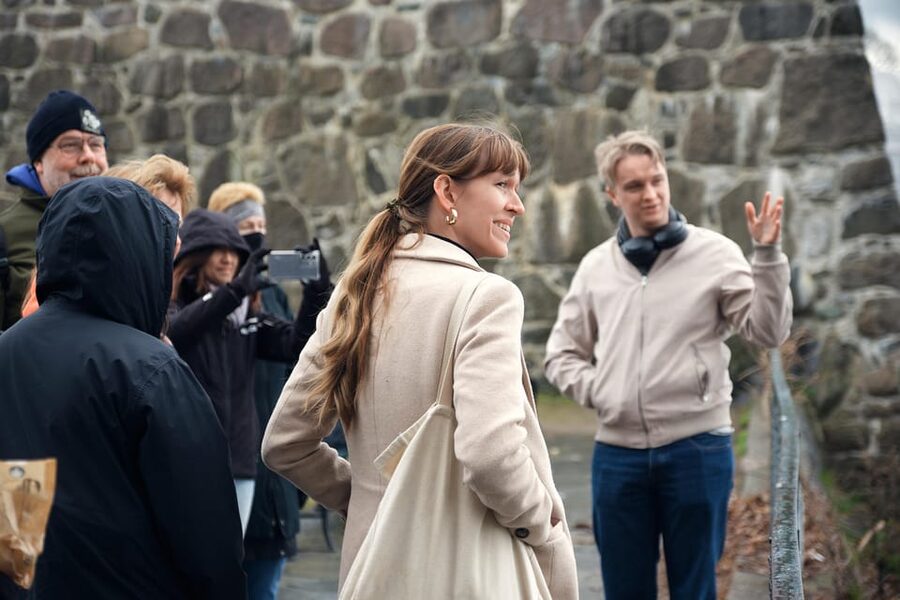
The guide makes or breaks a walking tour, and this format depends on someone who can connect facts into a story. The strongest feedback points to friendly, energetic, well-informed guides who answer questions and keep the group moving.
Emily was praised for her energy and clear explanations. Anna Marie made a cold winter walk more enjoyable and even stopped at markets for warm chocolate. Maria was noted for her command of Oslo’s history and her thoughtful way of presenting it. Olav was described as friendly and well prepared, including during rain and difficult winter conditions.
The German language adds a practical benefit beyond translation. You can ask about Norwegian culture, language, relations with neighboring countries, local districts, and life in Oslo without working through a language barrier. One person who had the guide almost privately found the extra questions especially useful, though group size can vary and is not specified.
Do keep expectations realistic. The tour is only two hours, and the guide must balance explanations, walking speed, group safety, and the number of sights. You’ll receive an overview, not a detailed interior tour of every building.
Price, pace, and practical value
At $37 per person, this is reasonably priced for a live, two-hour city walk in a capital where independent sightseeing can quickly become a string of paid admissions and navigation decisions.
The value is highest if you are new to Oslo, staying briefly, or want to understand the city before choosing what to visit in depth. One participant had only a day in Oslo and used the walk to decide what deserved more time. Another spent three days in the city and still found the early orientation helpful for getting around.
The cost is less attractive if you already know central Oslo well or prefer to explore at your own speed. The tour does not include admissions, food, or transport. Its value lies in the guide’s interpretation and the efficient route through the center.
The pace is described as requiring a moderate amount of walking. You should be ready to walk for two hours, with stops for explanations and photographs. Wheelchair access is available, but the route still involves sustained outdoor movement, so check your own comfort with the distance and conditions.
Rain, snow, and what to wear
Do not book this as an indoor activity. The tour normally goes ahead in rain, cold, and snow, and cancellation is reserved for severe storms.
That policy is worth taking seriously. A winter walk can be enjoyable when you have a warm coat, waterproof shoes, gloves, and a hat, but it can become tiring if you dress for a mild city break. A participant completed the walk after a three-day snowstorm, and another joined during heavy rain. Both examples show that the tour can continue in rough weather, but they also underline the need to prepare.
In warmer months, comfortable walking shoes and a light rain layer should be enough for most conditions. Since the route is outdoors from beginning to end, check the forecast before you leave and dress for the actual weather, not the season you expected.
Who should book this tour
I would choose this tour if I had one to three days in Oslo and wanted a clear first look at the center. It suits visitors who enjoy history, architecture, public buildings, and city stories more than a schedule packed with museum interiors.
It is also a strong choice for German-speaking visitors who want a tour in their preferred language. You’ll have a better chance of asking detailed questions and following discussions about Norwegian culture and politics without translation slowing things down.
Families and older visitors should consider the moderate walking requirement and the weather policy. The tour is wheelchair accessible, but outdoor conditions and the distance still matter.
I would skip it if you want a slow photographic walk, a full visit inside Akershus Fortress or the Opera House, or a tour with frequent café breaks. The itinerary covers many landmarks, so the benefit is breadth and context rather than long stops.
Small tips that improve the walk
Arrive near the Nobel Peace Center entrance a few minutes early, especially if you do not know the waterfront area. Wear shoes you can comfortably use for two hours and bring weather protection even when the forecast looks uncertain.
Tell the guide if you need a moment for photographs. The walk keeps moving, and a past participant felt rushed when the guide left each stop immediately after speaking.
Plan your bathroom break before the tour if possible. At the end, a public toilet was described as unpleasant, while a nearby café offered a better option with a purchase. This is a small point, but it can matter after two hours on foot.
If the weather is cold, keep a little flexibility in your schedule. Anna Marie once stopped at markets for warm chocolate during a winter tour, but you should not treat a refreshment stop as guaranteed.
Is this Oslo walking tour worth booking?
Yes, if you want a well-organized introduction to central Oslo in German. The route gives you a useful story arc, from the Nobel Peace Center and medieval Akershus Fortress through Christiania Torv and Kvadraturen, then onward to the Opera House, Karl Johan Street, Parliament, the National Theater, and the University of Oslo.
At $37, it offers good value for a first orientation, especially during a short stay. Book it with comfortable shoes, outdoor clothing, and the expectation that you will see many places briefly rather than tour each one in detail. If you want to photograph every stop at leisure, plan a return visit after the walk.
FAQ
Where does the Oslo City Highlights Walking Tour meet?
Meet your guide near the entrance of the Nobel Peace Center in Oslo.
How long does the tour last?
The walking tour lasts two hours.
What language is the tour conducted in?
The live tour guide speaks German.
What sights are included on the route?
The route includes the Nobel Peace Center area, Akershus Fortress, Christiania Torv, Kvadraturen, the Oslo Opera House, Karl Johan Street, Oslo Cathedral, Parliament, the National Theater, the University of Oslo’s historic Aula, and a view of the Royal Palace.
Does the tour visit Akershus Fortress and the Opera House interiors?
The tour passes by Akershus Fortress and visits the Oslo Opera House area. The provided information does not state that interior admissions are included.
Is the walking tour wheelchair accessible?
Yes, the activity is listed as wheelchair accessible.
Does the tour run in bad weather?
The tour is not canceled for ordinary bad weather. Cancellation is possible for severe storms, so you should dress appropriately and check the forecast.
Can I cancel for a full refund?
Yes. You can cancel up to 24 hours in advance for a full refund. You can also reserve now and pay later.
Recently added around Oslo
- The Vigeland Park in Oslo: Insta-Perfect Walk with a Local★ 5.0 · 3 reviews
- Oslo: Best of Oslo Walking Tour and Hop-on Hop-off Bus Tour★ 3.7 · 3 reviews
- Best of Oslo: Walking Tour with a local guide★ 4.6 · 3 reviews
- Afternoon Tea and Classic Concert on the Fjord★ 4.5 · 3 reviews
- Maral Kunst : Jewelry Bar Experience (Jewelry Making)★ 5.0 · 3 reviews
- Lake walk and campfire★ 4.7 · 3 reviews
- Oslo: Yoga & Hiking with a dog★ 5.0 · 3 reviews
- Oslo: Skjennungstoppen Wildlife Forest Hiking Tour★ 5.0 · 3 reviews
Oslo Tours, compared.

Scenic Fjord Cruise with Audio Guide Commentary
Read our review →


Guided Sightseeing Fjord Cruise on Premium Silent Boat
Read our review →
Browse the lists this tour appears in