
Reviewed · OSLO TOURS
Art and Museum Tour of Oslo
Oslo’s art story is much bigger than Munch’s Scream. This private walking tour links the city’s museums with Akershus Fortress, the Royal Palace, Parliament, Aker Brygge, and the old Kvadraturen district, giving you a useful sense of how art fits into Oslo’s past and present.
I like the private format, which lets you choose the museums that suit your group. I also like the guide’s flexibility: you can focus on Norwegian painting, modern art, polar exploration, Viking ships, or wooden architecture instead of following a fixed route. The main drawback is time. Four hours is enough for a thoughtful introduction, but not enough to see every museum listed.
Key points
- Choose your museum focus: Visit one or two options, including the National Gallery, Astrup Fearnley, or museums on Bygdøy.
- See more than galleries: The route can include Aker Brygge, the Royal Palace, Parliament, Kvadraturen, and Akershus Fortress.
- Private group setting: Your party alone takes part, with room for up to 10 people.
- Flexible planning: The route may include the Opera House or Vigeland Park, though Vigeland requires a 10-minute tram ride.
- Art historian guidance: Tanya is named as one guide, and the tour may be led in more than one language.
- Plan for extra costs: Museum admission is listed as 100 kroner per person, while another booking note says admission is free, so confirm what applies before departure.
A four-hour introduction to Oslo through art
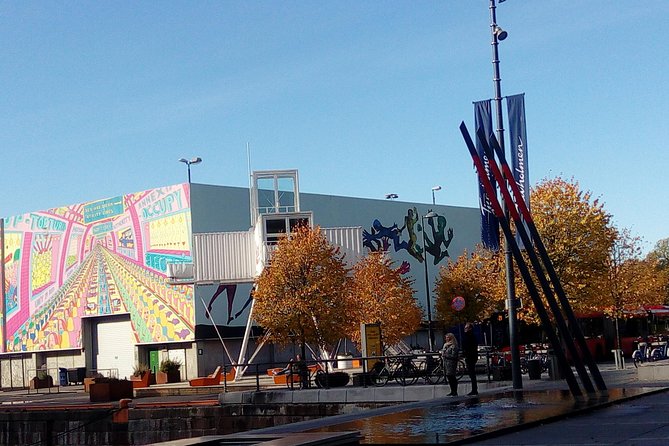
This tour works best as a broad first look at Oslo. You are not simply led from one gallery to the next. The route connects the city’s public spaces, royal buildings, fortifications, waterfront, and museum collections.
That matters because Oslo’s art is easier to understand when you see the city around it. The main streets and 19th-century buildings give you a feel for modern Norway’s capital. Akershus Fortress takes you farther back. A museum visit then gives those sights a cultural frame.
The pace is on foot for much of the experience, and the tour lasts about four hours. Pickup is offered, and the tour is private, so your group can discuss what interests you rather than wait for a large party to move along.
Still, the route requires sensible choices. If you want the National Gallery, a Bygdøy ship museum, Aker Brygge, the fortress, the Opera House, and Vigeland Park in one morning or afternoon, you will spend more time moving between stops than looking closely at art. I would choose one main museum and treat the city sights as the second half of the experience.
More Museums in Oslo
- Kon-Tiki Museum Entrance Ticket
★ 4.5 · 1,096 reviews - Oslo: Paradox Museum Entry Ticket
★ 4.3 · 799 reviews - The Fram Museum Admission Ticket
★ 4.5 · 490 reviews
Starting with Oslo’s 19th-century city center
The central walking route includes the Royal Palace, Parliament, and the city’s main streets. These are not throwaway sights between museums. They help explain Oslo as a capital shaped by government, monarchy, commerce, and public culture.
A guide with an art history background can make this part more useful than a basic orientation walk. You can expect attention to the city’s buildings and public spaces, along with discussion of how Norwegian art developed within a wider European setting.
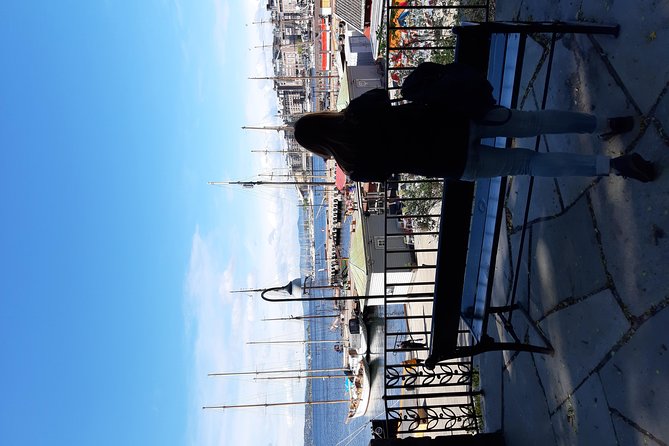
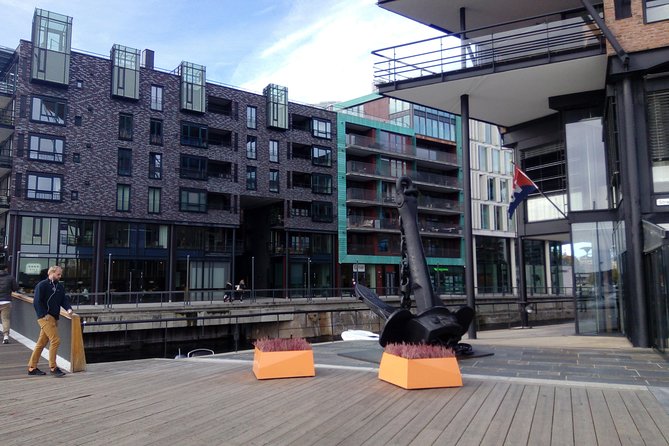
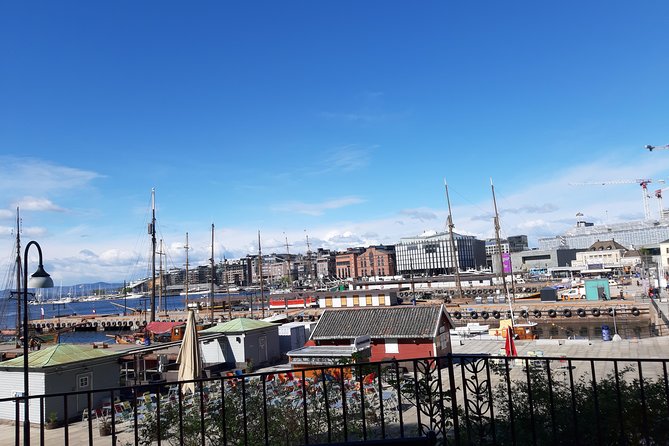
The route also includes Aker Brygge, the former harbor area now known for waterfront restaurants, shops, and open views across the Oslo Fjord. It gives the tour a change of mood after the formal center. You move from national institutions and historic streets to a modern section of the city.
For your own comfort, wear smart casual clothing and shoes suitable for walking. The stated dress code is smart casual, but the more practical point is that the experience combines outdoor sightseeing with indoor museum time.
Akershus Fortress and the old Kvadraturen district
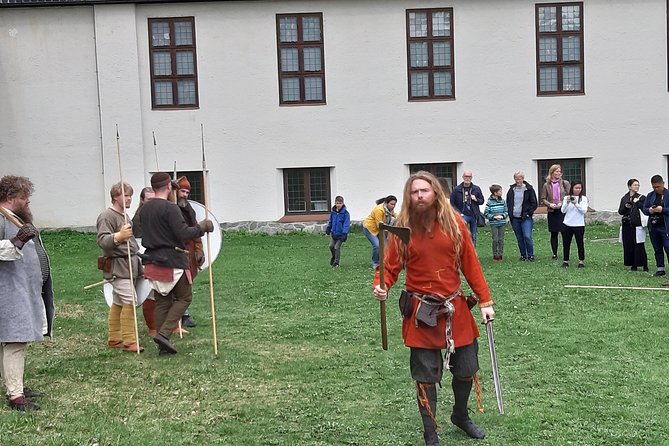
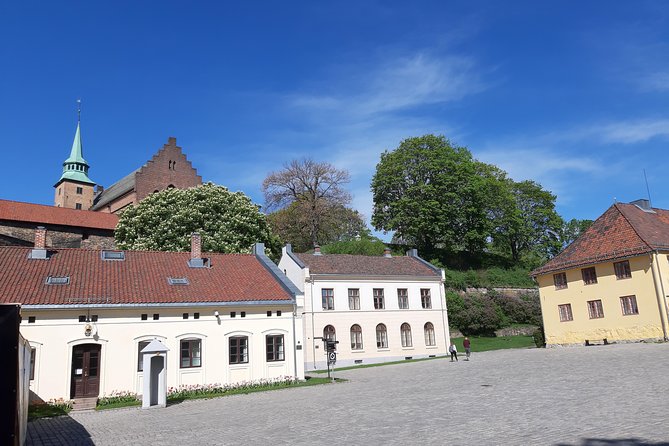
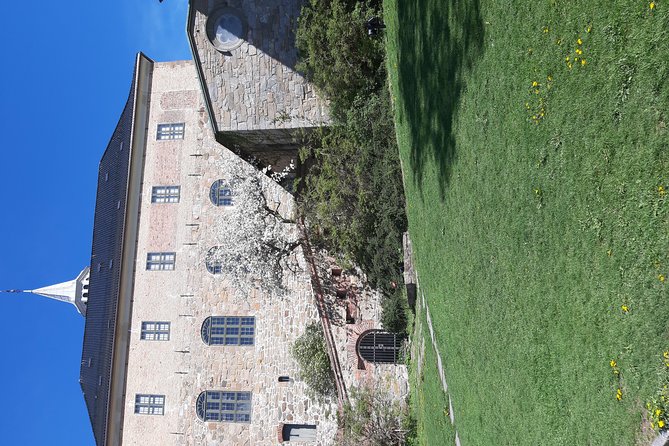
Akershus Fortress adds a medieval layer to the day. It is one of the tour’s strongest choices for anyone who wants more than an art lecture. The fortification shows Oslo’s defensive and political past, while the nearby Kvadraturen district represents the city center of the 17th century.
The name Kvadraturen refers to the grid-like layout of this older center. Seeing it alongside the newer streets near the palace helps you read Oslo as a city built in stages rather than as one uniform place.
The fortress is also a good reason to book a private route instead of a museum-only visit. You can ask the guide to connect the site to Norwegian cultural life, architecture, and national identity. The exact amount of time spent there depends on your museum choice and the pace of your group.
Do not assume the tour includes a full historical visit inside every fortress building. The information promises a visit to Akershus, but it does not specify which interiors or exhibits are included. If the fortress is your priority, make that clear when booking.
Choosing between Oslo’s major museum options
The tour allows you to choose one or two museums. That is its biggest practical advantage, but also the point where you need to make a decision before you arrive.
A different way to spend a day from here:
- Oslo: Scenic Fjord Cruise with Audio Guide Commentary
★ 4.5 · 5,375 reviews - Oslo Nature Walks: Island Hopping Tour
★ 4.8 · 2,713 reviews - Oslo: 100% Electric Oslofjord Sightseeing Cruise
★ 4.4 · 2,041 reviews - Oslo: Fjord Evening Cruise with Shrimp Buffet
★ 4.5 · 1,956 reviews
The National Gallery
The National Gallery is the natural choice if you want Norwegian painting. The proposed visit includes Edvard Munch’s The Scream, other Munch works, and French Impressionist paintings.
This is the clearest match for anyone who knows Oslo mainly through Munch and wants to place him in context. You can ask the guide to spend time on Munch’s other paintings rather than treating The Scream as a quick photo stop.
One important detail deserves attention. One visitor specifically wanted the museum portion to include the National Museum, while the tour description names the National Gallery. These names may not mean the same current institution or collection, so confirm the exact museum planned for your date. If seeing the National Museum is essential, state that before booking.
Astrup Fearnley Museum
The Astrup Fearnley Museum offers a private collection of modern art. It suits you if you want a more contemporary counterpoint to Munch and older Norwegian works.
Its setting also fits nicely with the Aker Brygge section of the route. You can combine waterfront city life with modern art without making the day entirely about historic buildings.
The available information does not promise a fixed list of artists or exhibitions. Temporary displays can change, so your guide’s role is especially useful here. Tell the guide how much modern art you want before the museum choice is finalized.
Bygdøy’s museum peninsula
Bygdøy gives you a different kind of cultural experience. The possible choices include the Viking Ship Museum, Kon-Tiki Museum, Fram, and the Museum of Wooden Architecture.
These are not all art museums in the narrow sense. That is exactly why they can be valuable. The Viking and maritime collections connect Norwegian identity to exploration, craft, technology, and storytelling. The wooden architecture museum offers another view of design and building traditions.
A Spanish-language review describes choosing the museum area on Bygdøy and making a full day of it with guide Tanya. The available details are incomplete, but the practical lesson is clear: if Bygdøy is your main interest, tell the guide early. A peninsula museum route is a different day from a central Oslo art walk.
Adding the Opera House or Vigeland Park
The new National Opera House may be added to the route. Its modern form gives you a chance to discuss contemporary architecture rather than only paintings and historic monuments.
Vigeland Park is another possible addition, but it requires about 10 minutes by tram. The park is not a minor detour in practical terms. Time spent riding there reduces time available for museums and central sights.
I would choose Vigeland Park if sculpture is a priority. I would skip it if your main aim is Munch, Impressionism, or the Bygdøy museums. Ask the guide to build a clear plan rather than trying to collect every possible stop.
The flexible format means you can shape the day around your group. A family interested in Viking ships needs a different route from an art student focused on Munch and modern European painting. A first-time visitor who wants orientation may prefer the city center, fortress, and one museum.
What the private guide adds
The tour includes a Blue Badge guide, a professional guide, and a professional art historian guide. The wording suggests a guide with formal guiding and art expertise, although the exact credentials of the individual assigned to every booking are not stated.
Tanya is named in the experience details and in a review describing careful planning, hotel contact, and precise directions to the meeting point. That review also describes a full day built around Bygdøy’s museums. If you are hoping for Tanya specifically, ask whether she will lead your departure, since the tour may be operated by a multilingual guide.
The strongest benefit of a specialist guide is not speed. It is interpretation. You can ask why Munch matters, how Norwegian art relates to French Impressionism, or how a museum collection fits the city you are walking through.
A guide can also help you avoid a common museum problem: spending too much time on the first famous object you see. With only four hours, it helps to have someone set priorities and explain what deserves a closer look.
Price, group size, and real value
The listed cost is $445.68 per group of up to 10 people. That makes the value much better for a larger party than for one or two people. Split ten ways, the guide fee is about $45 per person before any museum admission. For four people, it is about $111 each before admission.
The private format changes the calculation. You are paying for a dedicated route, not simply a seat on a standard group walk. If your group has mixed interests, that flexibility can save you from spending four hours in a museum that suits only half the party.
Museum admission is listed as 100 kroner per person. However, the booking information also includes Admission Ticket Free. Since those details conflict, ask what is included and which museums charge on your date. Do not build your budget around free entry without confirming it.
The tour is booked an average of 86 days ahead, which suggests that advance planning is sensible, especially if you need a particular guide or are visiting from a cruise ship. It does not guarantee availability, so book once you know your Oslo schedule.
Cruise passengers need a firm timetable
Cruise passengers must provide the ship name, docking time, disembarkation time, and re-boarding time when booking. This is sensible because the experience lasts about four hours and may involve a tram ride if Vigeland Park is added.
The cancellation terms are strict close to departure. You receive a full refund if you cancel at least 24 hours in advance. Cancellations or changes made within 24 hours are not accepted for a refund, and no refund is issued if you miss the tour because your ship arrives late or does not arrive.
For a cruise day, keep the route central unless you have a generous schedule. Aker Brygge, the city center, Kvadraturen, and Akershus are easier to combine than a central museum, Bygdøy, Vigeland Park, and a ship departure.
Who will get the most from this tour
I would recommend this experience to you if you want art and city orientation in the same outing. It suits first-time visitors who do not want to spend their entire Oslo stay inside one museum.
It is also a good fit for couples, families, and groups of friends with different interests. One person can favor Munch, another can choose modern art, and another can ask for ships or wooden buildings. The guide can adjust the route instead of forcing everyone into one standard program.
You should think twice if you want a long, quiet museum study session. The four-hour schedule includes walking and several possible sights, so it is designed as an overview rather than a specialist day inside one collection.
You may also prefer a fixed museum tour if the exact institution matters more than flexibility. The National Gallery and National Museum wording should be clarified before you reserve, especially if a particular collection is the reason you are coming.
Should you book the Oslo art and museum tour?
Book it if you value a private, adjustable route and want Oslo’s art connected to its streets, fortress, waterfront, and historic districts. The enthusiastic guide feedback, especially the praise for Tanya’s care and thorough approach, supports choosing this when personal attention matters.
The best version of the tour is focused: one major museum, one or two historic areas, and either Aker Brygge, the Opera House, or Vigeland Park. Confirm the museum name, admission cost, guide language, and route before you pay.
For a large group, the $445.68 price can be fair. For one or two people, it is a more serious expense, so book only if tailored guidance is worth more to you than a standard museum visit. If that tradeoff works, this is a smart way to see Oslo as both an art capital and a living city.
FAQ
How long does the Art and Museum Tour of Oslo last?
The tour lasts approximately four hours.
How many people can join the private tour?
The price covers a private group of up to 10 people. Only your group participates.
Which museums can I choose?
Possible choices include the National Gallery, Astrup Fearnley Museum of Modern Art, Viking Ship Museum, Kon-Tiki Museum, Fram, and the Museum of Wooden Architecture.
Can the tour include Vigeland Park?
Yes. Vigeland Park can be added, and reaching it takes about 10 minutes by tram.
Is hotel or other pickup available?
Pickup is offered. The experience details also describe the guide contacting one group at Hotel Continental with directions for reaching the meeting point.
Are museum entrance fees included?
The information states that museum entrance fees are 100 kroner per person, but it also includes a note saying admission is free. Confirm the current admission arrangement for your chosen museum when booking.
What information must cruise passengers provide?
Cruise passengers must provide the ship name, docking time, disembarkation time, and re-boarding time at booking.
What is the cancellation policy?
You can cancel for a full refund up to 24 hours before the experience start time. Cancellations or changes made less than 24 hours before the start are not refunded.
Recently added around Oslo
- The Vigeland Park in Oslo: Insta-Perfect Walk with a Local★ 5.0 · 3 reviews
- Oslo: Best of Oslo Walking Tour and Hop-on Hop-off Bus Tour★ 3.7 · 3 reviews
- Best of Oslo: Walking Tour with a local guide★ 4.6 · 3 reviews
- Afternoon Tea and Classic Concert on the Fjord★ 4.5 · 3 reviews
- Maral Kunst : Jewelry Bar Experience (Jewelry Making)★ 5.0 · 3 reviews
- Lake walk and campfire★ 4.7 · 3 reviews
- Oslo: Yoga & Hiking with a dog★ 5.0 · 3 reviews
- Oslo: Skjennungstoppen Wildlife Forest Hiking Tour★ 5.0 · 3 reviews
Oslo Tours, compared.
Scenic Fjord Cruise with Audio Guide Commentary
Read our review →

Guided Sightseeing Fjord Cruise on Premium Silent Boat
Read our review →
Browse the lists this tour appears in