
Reviewed · STAVANGER TOURS
Stavanger: Norwegian Petroleum Museum – Entrance Ticket
The most useful thing about Stavanger’s Norwegian Petroleum Museum is that it explains Norway’s oil story from the seabed upward. You follow the basics of oil and gas formation, see how resources are found and extracted, and then face the harder question: what has this industry done to the climate?
I like the museum’s hands-on exhibitions, which make technical subjects easier to grasp. I also like the way it connects offshore work with everyday Norwegian society, rather than treating oil as machinery alone. The main consideration is that this is a museum visit, not a guided offshore trip, so visitors looking for a boat ride or a real platform experience will need to adjust expectations.
Key Points Before You Go
- See how North Sea oil is found and produced, from geological formation to drilling and offshore operations.
- Watch Oilkid, a film about growing up during a period of major change in Norway.
- Use the rescue chute and catastrophe room, two physical features that add a sense of risk to the industrial story.
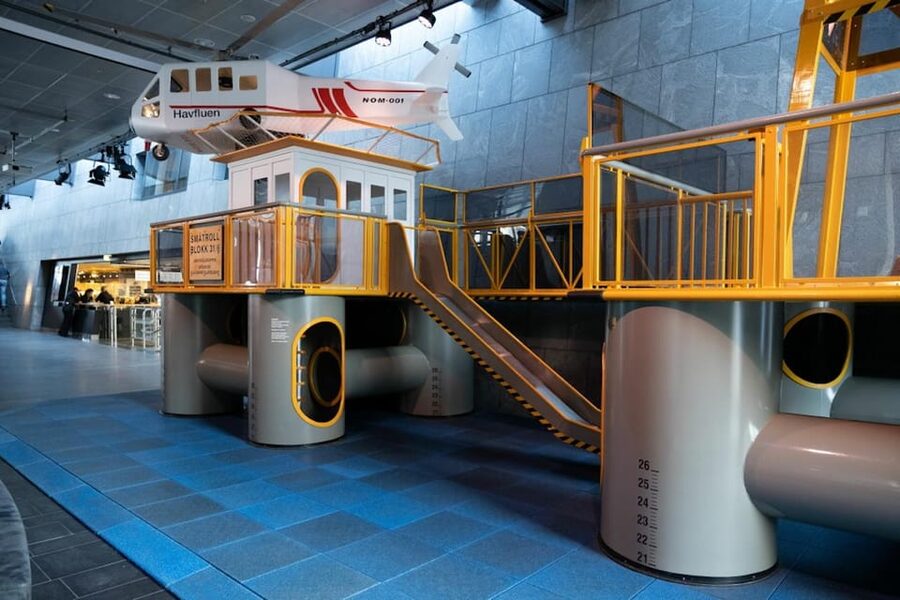
- Let children try the play platform, with climbing, sliding, and activities for younger visitors.
- Think about the climate challenge, including greenhouse gas emissions and global warming.
- Allow flexible time in central Stavanger, since the museum is near Vågen harbor and is valid for a full day.
Start With Norway’s Oil Story Near Vågen Harbor
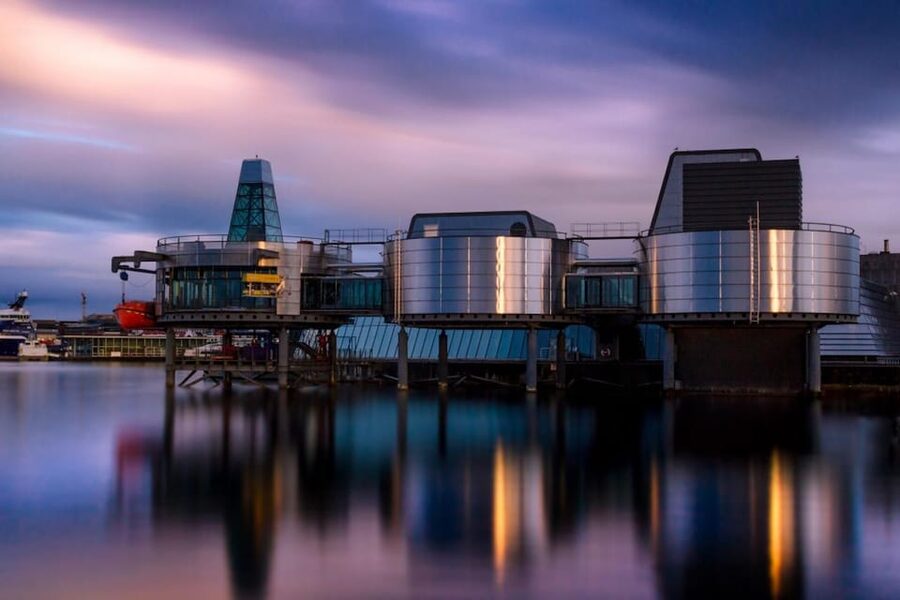
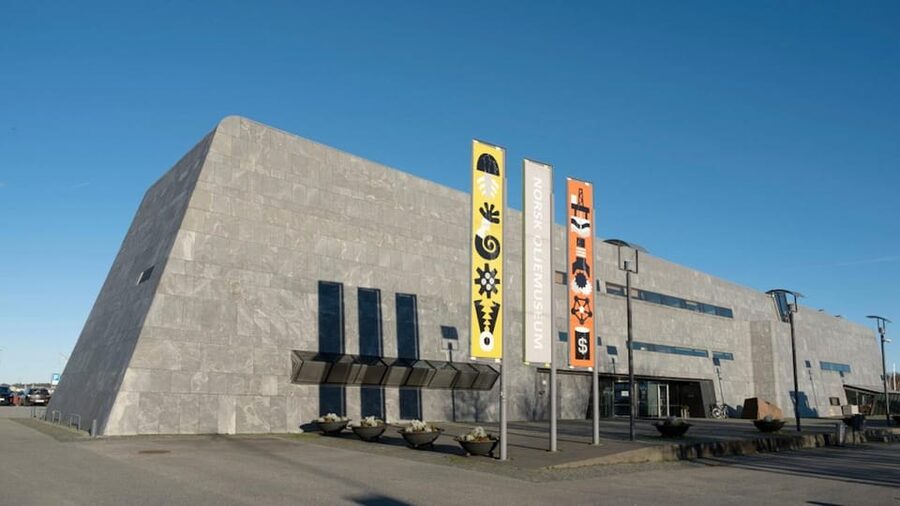
You’ll find Norsk Oljemuseum in central Stavanger, close to Vågen harbor. That location makes it easy to add to a walking day in town, and you do not need to arrange transport or a separate excursion to reach it.
If you are driving, Jorenholmen is the recommended parking area. The entrance ticket costs $19 per person, which is a fair price if you plan to spend several hours with the displays and activities. It becomes especially good value for a family because the ticket covers the museum itself, while children have plenty to do beyond reading panels.
The museum is open all year, with longer hours in summer. From June 1 through August 31, it opens daily from 10:00 to 19:00. From September 1 through May 31, it is open Monday through Saturday from 10:00 to 16:00 and Sunday from 10:00 to 18:00.
Plan around the holiday closures. The museum is closed on December 24, December 25, December 31, January 1, Good Friday, Easter Sunday, and May 17. Since opening times change with the season, check the schedule before setting out.
More Museums in Stavanger:
- Kon-Tiki Museum Entrance Ticket
★ 4.5 · 1,096 reviews - Oslo: Paradox Museum Entry Ticket
★ 4.3 · 799 reviews - The Fram Museum Admission Ticket
★ 4.5 · 490 reviews
How Oil and Gas Form Beneath the Seabed
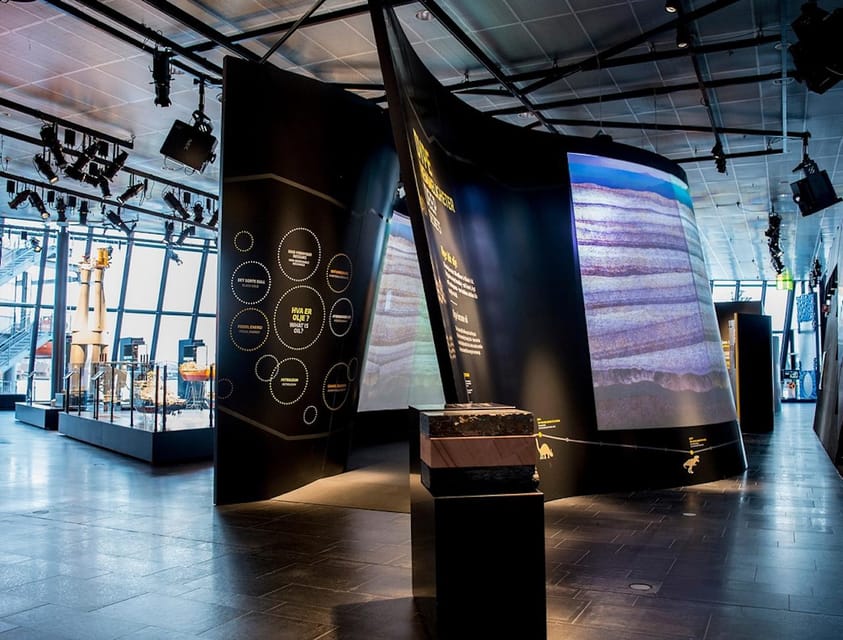
The museum begins with the basic science behind petroleum. You learn how oil and gas form, how they remain beneath the seabed, and why particular underground areas are worth exploring.
That foundation matters. Offshore petroleum can seem like a story of huge platforms, pipes, and helicopters, but the work starts long before drilling. The exhibits help you understand the search for resources beneath the Norwegian continental shelf, including the role of technology in locating deposits.
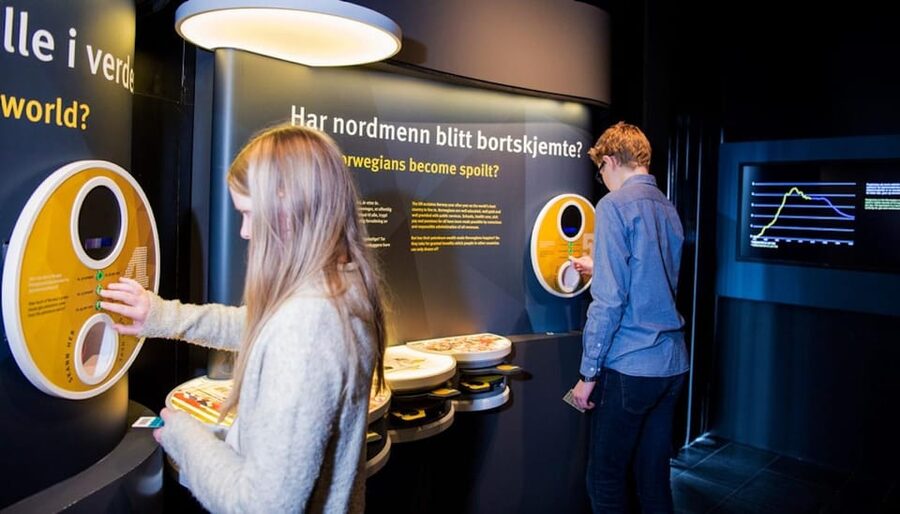
Original objects, models, films, and interactive displays carry much of the explanation. I prefer this mix to a room full of text because it gives you several ways to understand the subject. You can read for detail, study a model, or use an interactive feature to see how the process works.
The museum also helps you separate the stages of production. Finding a resource is one task. Drilling into the seabed is another. Bringing oil and gas to the surface, managing offshore equipment, and maintaining safe operations add still more layers.
You will not leave thinking petroleum extraction is simple. That is one of the museum’s strengths. It presents a major industry as a chain of science, engineering, labor, and decision-making.
Offshore Technology Without an Offshore Excursion
Norway’s petroleum industry is closely tied to offshore operations, and the museum makes that the center of its story. You learn how drilling and production are conducted at sea, where weather, distance, machinery, and safety all shape the work.
The technological displays show how the sector changed over time. Models make large structures easier to understand, while original objects give the subject a physical feel. These are useful details for anyone who has seen offshore platforms from a distance but never understood what happens on them.
The rescue chute and catastrophe room are particularly effective for families and younger visitors. They turn safety from an abstract word into something you can picture. Offshore work carries real risks, and these features help explain why emergency planning and equipment matter.
The museum does not need to pretend that the industry is glamorous. Its appeal comes from showing the practical side of the work. You get a look at the systems that support drilling and production, as well as the technological progress that made large-scale offshore activity possible.
If you want a short, breezy stop with only a few objects, this may feel like too much information. Give it time, especially if you want to understand how the different parts connect.
Petroleum and the Shape of Norwegian Society
The exhibits also ask what oil revenue did to Norway. Petroleum did not remain an isolated industrial story. It affected the country’s economy and society, and the museum places that change beside the technical story.
This is where the visit becomes more useful than a simple explanation of drilling. You see how an industry beneath the sea helped shape the country above it. The museum presents the development of petroleum operations on the Norwegian continental shelf alongside the wider changes in Norwegian life.
The film Oilkid adds a personal angle. It focuses on growing up during a time of change, giving the subject a human scale. After seeing equipment and production models, a film about ordinary life helps you consider how national economic change reaches families and communities.
Set aside time for the film rather than treating it as an optional extra. The industrial displays explain how petroleum works. Oilkid helps explain what an oil-powered era felt like for people growing up inside it.
The available information does not specify the film’s running time, so check at the museum if you need to plan around a fixed schedule. The important point is that the film offers a change of pace from the technical exhibits.
A few more Stavanger half-days to weigh up
- Stavanger: Scenic Fjord Cruise to Lysefjord and Preikestolen
★ 4.6 · 5,791 reviews - Stavanger: Fjord Cruise to Lysefjord and Pulpit Rock
★ 4.8 · 1,357 reviews - From Stavanger: RIB Tour to Lysefjord
★ 4.9 · 1,288 reviews - From Stavanger: Lysefjord Sightseeing RIB Boat Tour
★ 4.9 · 821 reviews
The Climate Challenge Is Part of the Visit
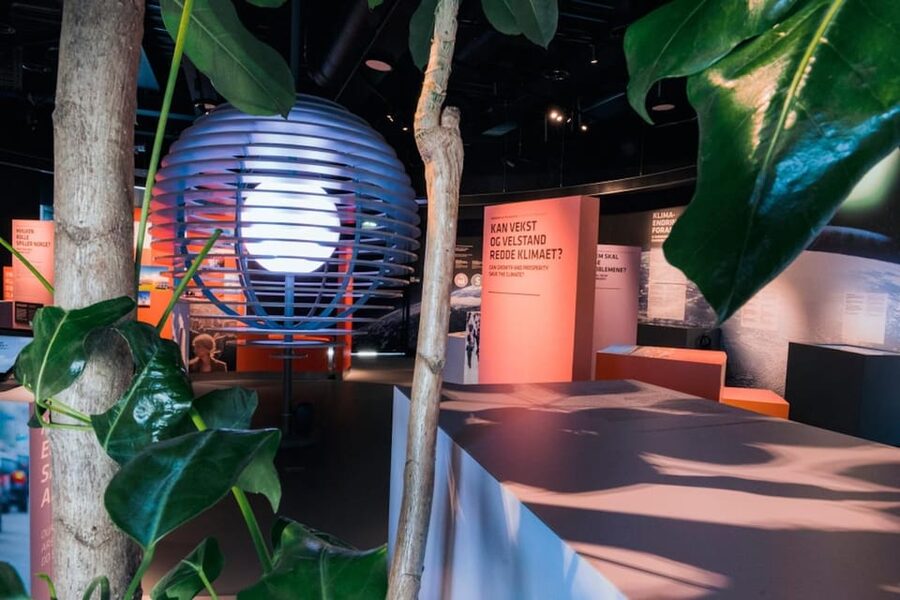
The museum does not present petroleum as an uncomplicated success story. It also covers greenhouse gas emissions, global warming, and the wider climate challenge.
That balance is important. You can learn why oil and gas became Norway’s most important industry while also considering the environmental cost of fossil fuels. The museum’s approach gives you room to understand both facts at once.
For adults, this may be the most valuable part of the visit. The displays connect technology and prosperity with a problem that affects the whole world. You are not asked to look at offshore operations in isolation. You are encouraged to consider what they mean in a period of climate change.
For children, the subject may be easier to approach through the interactive features. Families can move between serious displays and physical activities rather than expecting younger children to read every panel.
The museum is therefore suited to different interests. You can focus on engineering, Norwegian society, environmental questions, or family activities. You do not need to be an oil specialist to follow the main story.
A Strong Family Stop With Space to Play
Children and young people have several reasons to enjoy the museum. The rescue chute and catastrophe room add physical interest, while interactive games make the subject less dependent on reading.
The play platform is aimed at younger children. It includes places to slide, play, and climb, giving little ones a proper break while adults spend more time with the exhibits. That makes the museum easier to manage as a family than a traditional collection built mostly around quiet galleries.
A picture quiz lets the whole family look for details in the exhibitions. This is a smart way to keep children involved without turning the visit into a lesson. You can treat it as a small shared challenge while moving through the displays.
I would not assume every activity suits every age. The play platform is for the little ones, while older children may prefer the interactive games, rescue features, and film. Families with children at different ages should find enough variety to divide attention without splitting up completely.
Adults should still expect a serious museum, not an indoor playground with a little oil information attached. The family features are useful additions, but the main subject remains Norway’s petroleum industry and its effects.
How Long Should You Spend Inside?
The ticket is valid for one day, and that flexibility is helpful. You can visit without rushing through the exhibits, leave for lunch near the harbor, and return if the museum’s admission conditions allow it. Since the ticket is described as valid for one day, confirm the re-entry details at the museum if you plan to leave and come back.
There is no fixed tour itinerary or required starting time described for the visit. You explore at your own pace, with English and Norwegian available through the host or greeter arrangement.
For a quick look, you might spend less time on the technical explanations and focus on the main models, interactive exhibits, Oilkid, and children’s areas. To understand the full story, allow several hours. The museum covers science, offshore technology, social change, climate concerns, and family activities, so a brief stop will only give you an outline.
A full day is not necessary for every visitor, but the day-valid ticket gives you room to make the museum fit around Stavanger. This is useful on a rainy day or when you want a break from outdoor sightseeing.
Who Will Get the Most From This Ticket?
I would recommend the museum most strongly to:
- Families who want an educational indoor activity with real things to touch and do.
- Visitors curious about how Norway became wealthy through offshore petroleum.
- People interested in engineering, drilling, energy, or industrial technology.
- Anyone who wants a clearer explanation of the climate problem alongside the oil story.
- Visitors spending time in central Stavanger who want an attraction close to the harbor.
- Cruise or city visitors needing a flexible activity that does not require transport.
It is less suitable if you want a scenic excursion, a live offshore platform visit, or a short attraction with little reading. The museum explains offshore work through models, objects, films, and interactive exhibits. That is informative, but it is not the same as going out to sea.
The experience is also a good fit for visitors who prefer to set their own pace. You are not tied to a group schedule, and the ticket remains valid for one day. English and Norwegian support make it accessible to a wider range of visitors.
Price, Practical Details, and Accessibility

At $19 per person, the entrance ticket offers reasonable value if you use the interactive areas and stay long enough to follow the main story. It is less compelling for someone planning only a very short stop, though the central location makes a brief visit easy to add to a Stavanger walking route.
The ticket includes museum admission only. Meals and pick-up or drop-off services are not included, so plan to reach the museum yourself and arrange food separately.
The museum is wheelchair accessible. English and Norwegian are the available languages, and the host or greeter support is listed in both languages.
You can cancel up to 24 hours in advance for a full refund, and the reserve-now, pay-later option keeps your plans flexible. Those terms are useful if your Stavanger schedule depends on weather or changing port plans.
The attraction has a rating of 4.8 from 78 reviews, and the strongest praise centers on its clear, accessible explanation of oil’s formation and extraction. That matches the museum’s design: it takes a complicated subject and presents it in a direct, approachable way, with historical details adding extra interest.
Should You Book the Norwegian Petroleum Museum?
Book it if you want to understand why offshore petroleum matters to Norway, how drilling and production work, and why the climate question cannot be left out of that story. The combination of original objects, models, films, interactive displays, Oilkid, and children’s activities gives the $19 ticket more substance than a quick collection of static exhibits.
Families should make room for the rescue chute, catastrophe room, games, picture quiz, and play platform. Adults should not skip the sections on Norwegian society and global warming, since those give the museum its wider purpose.
Skip it if your ideal Stavanger day is entirely outdoors or if you want a real offshore excursion. Otherwise, this is a practical, central, all-weather stop that explains a major part of modern Norway without making the subject feel like a classroom lecture.
FAQ
Where is the Norwegian Petroleum Museum located?
The museum is in Stavanger city center, close to Vågen harbor.
How much does admission cost?
The entrance ticket costs $19 per person.
Is the ticket valid for one day?
Yes. The ticket is valid for one day, and you should check availability for starting times.
What languages are available?
English and Norwegian are available. The host or greeter is listed as speaking English and Norwegian.
Is the museum wheelchair accessible?
Yes, the museum is wheelchair accessible.
When is the museum closed?
The museum is closed on December 24, December 25, December 31, January 1, Good Friday, Easter Sunday, and May 17. Summer hours run daily from 10:00 to 19:00. From September 1 through May 31, it opens Monday through Saturday from 10:00 to 16:00 and Sunday from 10:00 to 18:00.
Recently added around Stavanger
- Kjerag Low-Season Hike + Packed Lunch★ 5.0 · 3 reviews
- Stavanger: Guided Winter Hike Pulpit Rock Preikestolen★ 5.0 · 3 reviews
- Stavanger: Guided Sunrise Hike to Pulpit Rock★ 4.2 · 5 reviews
- Guided hike to Florli 4,444 steps★ 5.0 · 5 reviews
- Discover Private+ Stavanger Guided City Tour★ 4.8 · 5 reviews
- Boat Cruise to Lysefjorden and The Pulpit Rock, Fixed tour price★ 5.0 · 6 reviews
- Discover Sensational Stavanger: Self-Guided Audio Tour★ 3.5 · 7 reviews
- Lysefjord (Stavanger): Boattrip to Preikestolen from Forsand★ 5.0 · 7 reviews
Stavanger Tours, compared.

Scenic Fjord Cruise to Lysefjord and Preikestolen
Read our review →
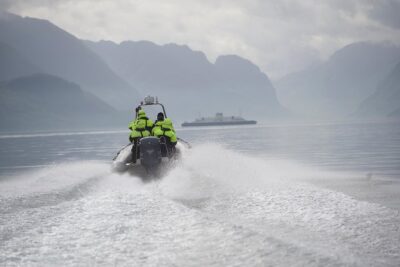
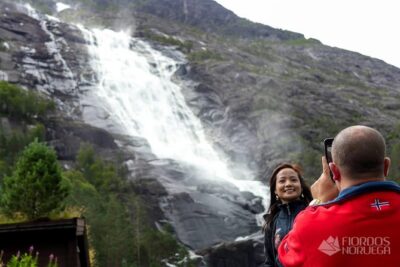
Haugesund Shore Excursion: Åkrafjorden & Langfoss waterfall
Read our review →
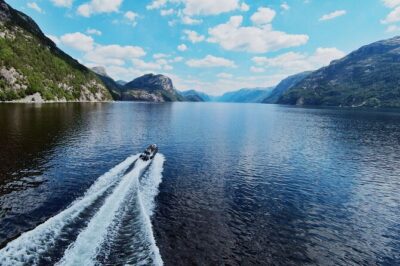
Lysefjorden & Pulpit Rock RIB-Safari from Stavanger
Read our review →Browse the lists this tour appears in