
Reviewed · OSLO TOURS
Oslo: 100% Electric Oslofjord Sightseeing Cruise
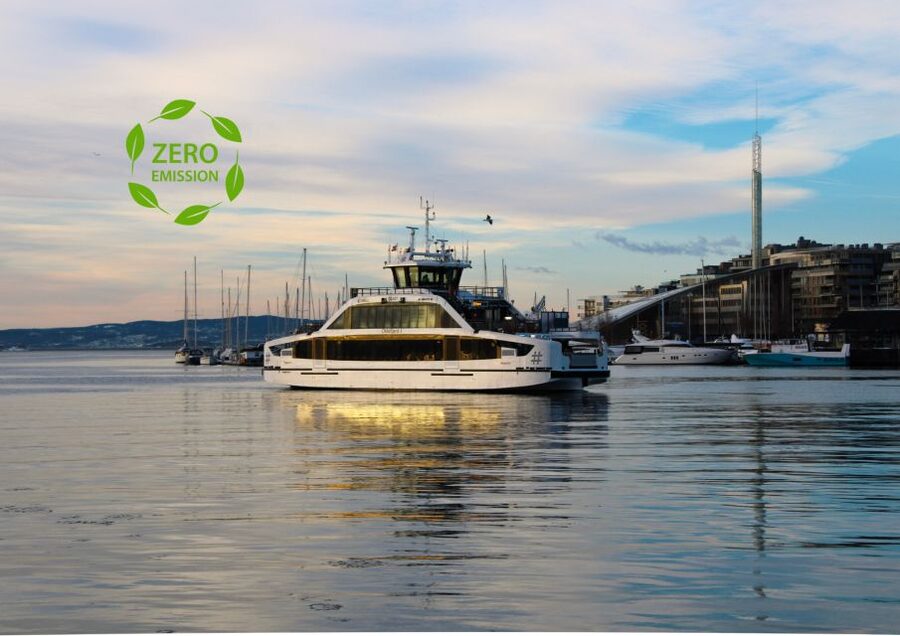
Oslo’s best city view may be from the water. This two-hour cruise glides out from City Hall pier on a quiet, zero-emission electric boat, giving you clean views of the Opera House, Munch Museum, Akershus Fortress, and the islands scattered across Oslofjord. I like the calm ride and the chance to see parts of Oslo that are hard to reach on foot.
I also like the practical comfort: warm indoor seating, panoramic windows, blankets, an outdoor deck, toilets, Wi-Fi, and charging ports. At $40 per person, the cruise is a fair use of two hours, especially if Oslo is a short stop on a larger trip. The main drawback is that the audio commentary may be difficult to hear indoors when other passengers are talking, and the Bygdøy stop is optional rather than guaranteed.
Key points at a glance
- Quiet electric sailing: The battery-powered boat produces no diesel smell and little engine noise, so the fjord scenery gets your full attention.
- Oslo’s waterfront in one ride: You pass the Opera House, Munch Museum, City Hall, Akershus Fortress, and small inhabited islands.
- Bygdøy museum option: You may disembark after about 1 hour and 45 minutes for the Fram Museum, Norwegian Maritime Museum, or Kon-Tiki Museum.
- Good rainy-day setup: Heated indoor seating, air conditioning, blankets, and wide windows keep the cruise usable in poor weather.
- English audio guide: Commentary covers Oslo’s geography, culture, and waterfront sights, though you may need to sit near a speaker.
- Simple city-center departure: Meet at Rådhusbrygge 4, City Hall pier 4, near the Fisketorget restaurant and Trollcruise sign.
From City Hall pier to the open fjord
The cruise begins at Rådhusbrygge 4, also called City Hall pier 4. Look for platform E behind the restaurant Fisketorget, near the Trollcruise sign. The exact boarding point can be slightly confusing because the walkway may point toward a separate sightseeing area, so allow a few extra minutes and follow the crew member collecting sightseeing passengers.
Once aboard, you can choose between indoor and outdoor seating. The inside area is the safer choice in cold, wind, or rain, and the boat has heating and air conditioning. Large windows let you see the shore without standing outside, while the open deck gives you clearer photographs and fresh air when conditions are pleasant.
I would arrive early if you care about your seat. There is plenty of room, but the most useful positions go first, especially on a busy departure. If you plan to listen closely to the audio guide, sit where you can hear the onboard speakers and bring headphones if the system supports them. Loud conversation inside the cabin can make some commentary hard to follow.
The boat’s quiet electric motor is not just an environmental talking point. It changes the mood of the ride. You hear less mechanical noise, and there is no familiar diesel odor drifting across the deck. That makes it easier to watch the shoreline, take photos, or simply sit still for a while.
More Boat Trips in Oslo
- Oslo: Scenic Fjord Cruise with Audio Guide Commentary
★ 4.5 · 5,375 reviews - Oslo: Fjord Evening Cruise with Shrimp Buffet
★ 4.5 · 1,956 reviews - Oslo: Guided Sightseeing Fjord Cruise on Premium Silent Boat
★ 4.7 · 1,390 reviews
Akershus Fortress and Oslo’s historic waterfront
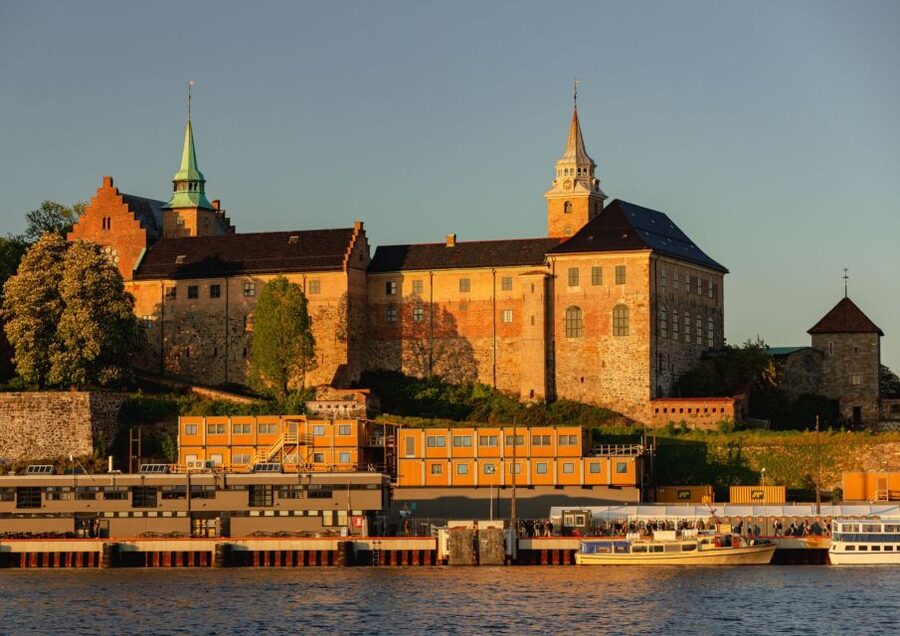
As the boat leaves the city-center pier, Oslo’s waterfront begins to make sense as a whole. From land, the harbor sights can feel scattered between roads, buildings, and construction. From the fjord, you get the broad view: old defensive walls, modern cultural buildings, ferry routes, islands, and residential shorelines all sharing the same water.
Akershus Fortress is one of the key sights along the route. Its position beside the harbor explains its importance better than a street-level visit alone. The fortress guarded Oslo’s seaward approach and remains one of the city’s clearest links to its medieval and military past.
The English audio guide adds background while you look. Commentary is provided through the cruise rather than as a live, constantly talking performance, which suits the quiet pace. You get information at relevant points, then stretches of silence to enjoy the view. That balance is one of the better features of the experience.
The guide also covers Oslo’s geography and the communities around the fjord. You are not simply looking at water and buildings. You see how the city faces the sea, how small islands connect to the capital, and how people use ferries and waterfront routes in daily life.
The Opera House and Munch Museum from the water
The Oslo Opera House is easy to recognize from its sloping white roof, which reaches down toward the harbor like a broad public walkway. From the boat, you see the building in relation to the water rather than as an isolated attraction. The view is especially useful if you have not yet decided which parts of Oslo’s modern waterfront deserve your time.
The Munch Museum offers a very different profile. Its tall, modern form is one of the newer markers on Oslo’s harborfront. The cruise gives you a quick exterior view and a chance to place the museum within the wider city before visiting it on foot.
These passing views are not substitutes for entering the museums or fortress. That is an important distinction. This is a sightseeing cruise, not a museum tour, so the value comes from orientation, scale, and access to views you cannot get from a pavement beside the harbor.
For a first morning in Oslo, that orientation is useful. You can see the major waterfront landmarks in sequence, hear basic context, and decide where to spend the rest of your day. If you already know Oslo well, the cruise works better as a relaxed change of pace than as a major history lesson.
Islands, cabins, and everyday Oslofjord life
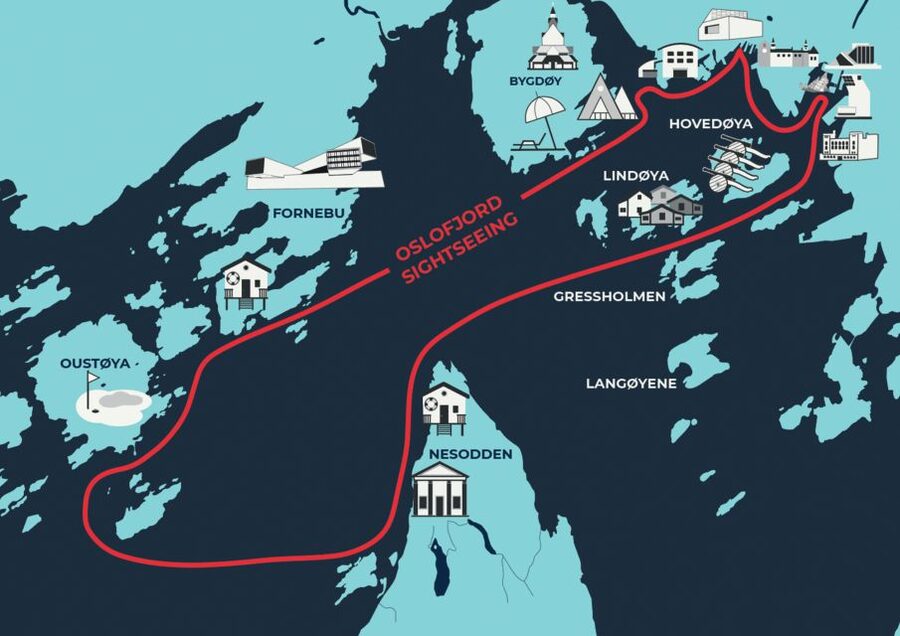
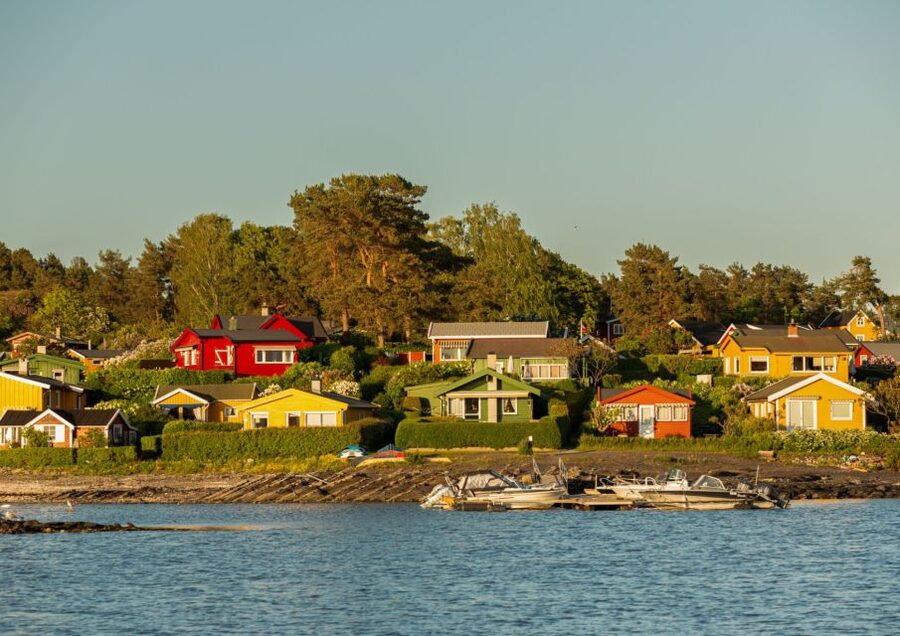
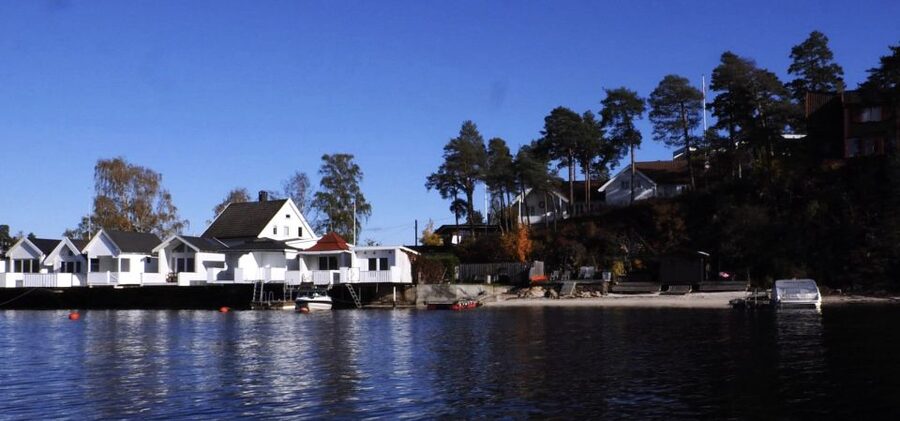
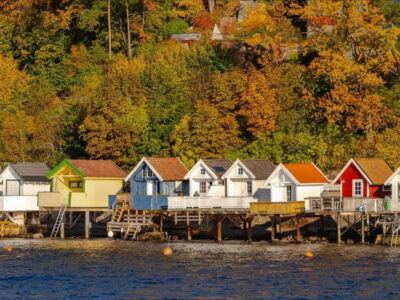
The most appealing part of the route may come after the landmark buildings. The boat reaches farther into Oslofjord, where the city gives way to smaller islands, homes, summer cabins, and quieter stretches of shoreline.
The views are not dramatic in the same way as Norway’s most famous mountain fjords. Here, the appeal is gentler. You see low islands, calm water, boats, and homes that seem closely tied to the sea. Some islands are inhabited, and ferry connections help link them with Oslo.
That detail gives the cruise a more local feel. You are seeing the fjord as part of a working city, not only as a scenic backdrop. The water is used for transport, recreation, homes, and access to the capital.
Weather matters. On a clear day, the islands and distant shorelines are easier to distinguish, and photographs will have more contrast. Rain does not cancel the experience, but it softens the views and may push you indoors. The boat’s climate control, blankets, and wide windows make poor weather manageable, though you should still bring warm clothing.
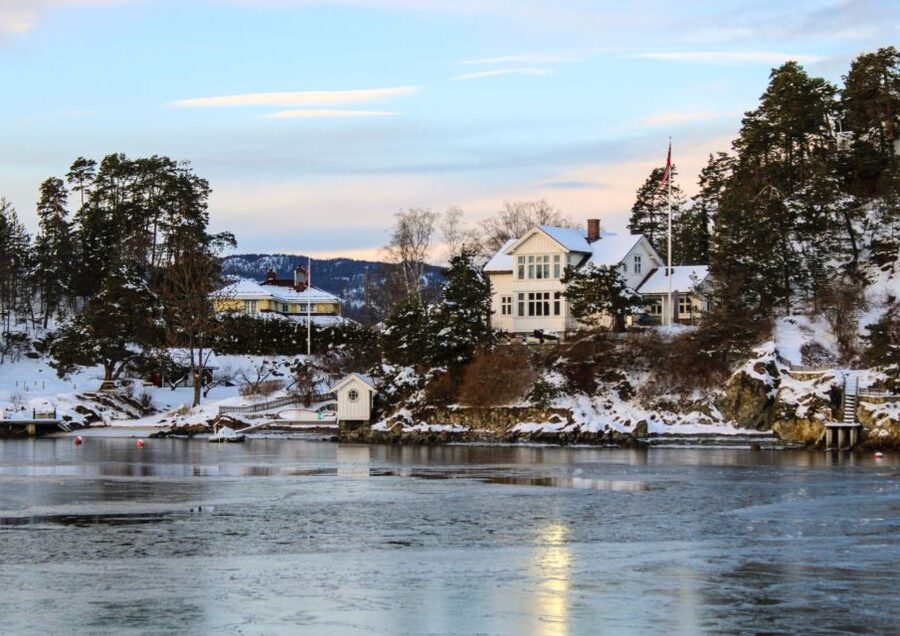
Winter can be particularly atmospheric. Snow, mist, or low cloud may limit distant views, but the quiet electric boat and sheltered cabin make this a comfortable way to see the fjord without standing outside for two hours. On bright summer days, the outdoor deck becomes more tempting, so you can move between the warm cabin and open air as you like.
More Oslofjord cruises:
- Guided Sightseeing Cruise on Oslofjord by Premium Silent Boat
★ 5.0 · 730 reviews - 2-Hour Oslo Fjord Sightseeing Cruise by Sailing Ship
★ 4.0 · 694 reviews - Oslo Combo Tour: Grand City Tour and Oslo Fjord Cruise
★ 4.5 · 555 reviews - Oslo: 3-course Dinner Cruise in the Oslofjord
★ 4.4 · 312 reviews
Bygdøy after about 1 hour and 45 minutes
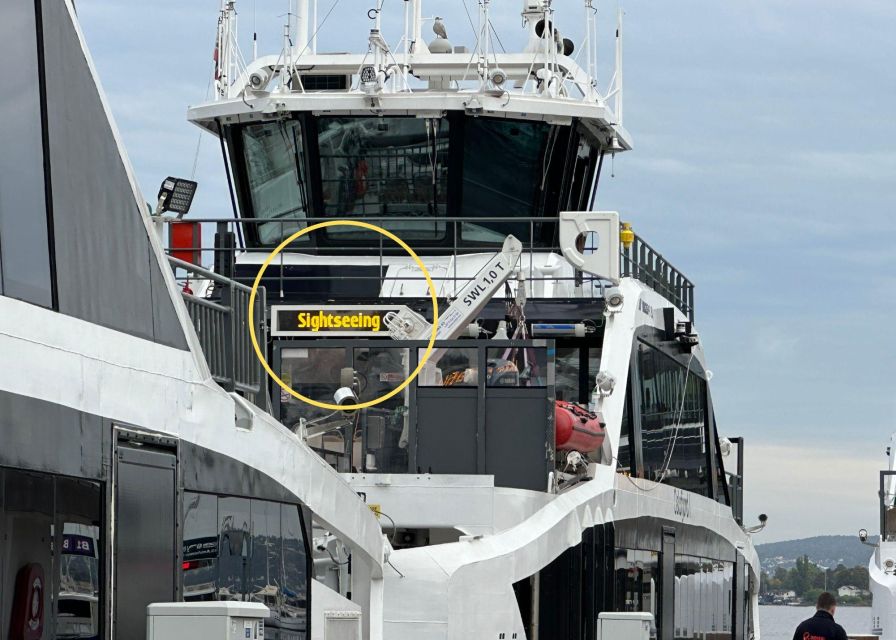
One useful feature is the option to get off at Bygdøy peninsula. The scheduled sightseeing ride reaches the stop after roughly 1 hour and 45 minutes, leaving you near several of Oslo’s major museums:
- Fram Museum
- Norwegian Maritime Museum
- Kon-Tiki Museum
Bygdøy is a sensible place to continue your day. The Fram Museum focuses on polar exploration, the Norwegian Maritime Museum covers the country’s relationship with the sea, and the Kon-Tiki Museum presents the famous expeditions associated with Thor Heyerdahl. The cruise does not include museum admission, so plan and budget for those separately.
The stop requires some care. Bygdøy is optional and may not always be available. If you want to get off there, ask the crew before sailing. You should also confirm the pickup arrangements rather than assuming the next boat will automatically wait for you.
Return boats to the city center are listed at 12:45 and 15:15. You can also use the hop-on hop-off bus or regular buses at your own cost. Because the timing and availability matter, I would choose the Bygdøy option only if you have enough spare time for a museum visit and a flexible rest of the day.
If you want a straightforward two-hour cruise with no further planning, stay aboard and return to Rådhusbrygge 4. If you are building a museum day, Bygdøy can turn the cruise into transportation and sightseeing in one outing, but only after you verify the boat schedule with the crew.
What the audio guide adds
The commentary is in English, and it covers the fjord, Oslo’s history, geography, and the sights along the shore. It gives you enough context to understand what you are seeing without filling every minute with talk.
The audio system has one practical weakness. Several people have found that loud passengers inside the boat can drown it out. The commentary may also be delivered through an interactive app, and the onboard guide does not always explain the app clearly at the start.
Connect to the boat’s free Wi-Fi if needed, and ask the crew how to access the guide before the boat gets underway. If you miss a section, the app may let you return to the previous sighting, which is handy when you are taking photos or moving between the deck and cabin.
I would treat the audio guide as useful background rather than a specialist lecture. The quiet sections are part of the pleasure. You get facts when a landmark appears, then time to watch the water and islands without a constant stream of narration.
Comfort, food, and accessibility on the boat
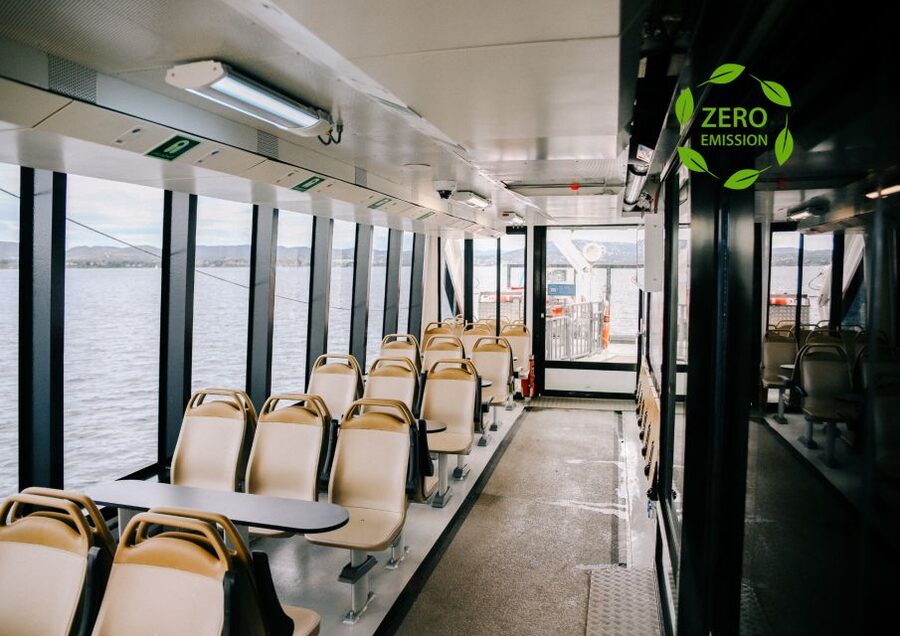
The facilities are better than the basic harbor boat setup. You have onboard toilets, comfortable seating, panoramic windows, heating and air conditioning, blankets, an outdoor deck, and charging ports for electronic devices. Wi-Fi is available, which is helpful if you need to use the audio guide or keep your phone charged for photographs.
The boat is wheelchair accessible and includes accessibility features for passengers with disabilities. An elevator has also been noted on board, making the warm indoor area easier to reach for people who cannot use stairs comfortably.
Snacks and hot or cold drinks are available for purchase, but keep expectations modest. Refreshments are basic, and tea supplies may not always be available. Coffee and tea can come from a paid machine, and milk may not be provided. I would have breakfast before boarding and treat the onboard service as a convenience, not a meal.
Bring warm clothes even if the forecast looks mild. The cabin is heated, but the outdoor deck can be cold, windy, or wet. Non-slip footwear is a wise choice in winter, when snow or ice may collect on the upper deck.
Is $40 a fair price for two hours?
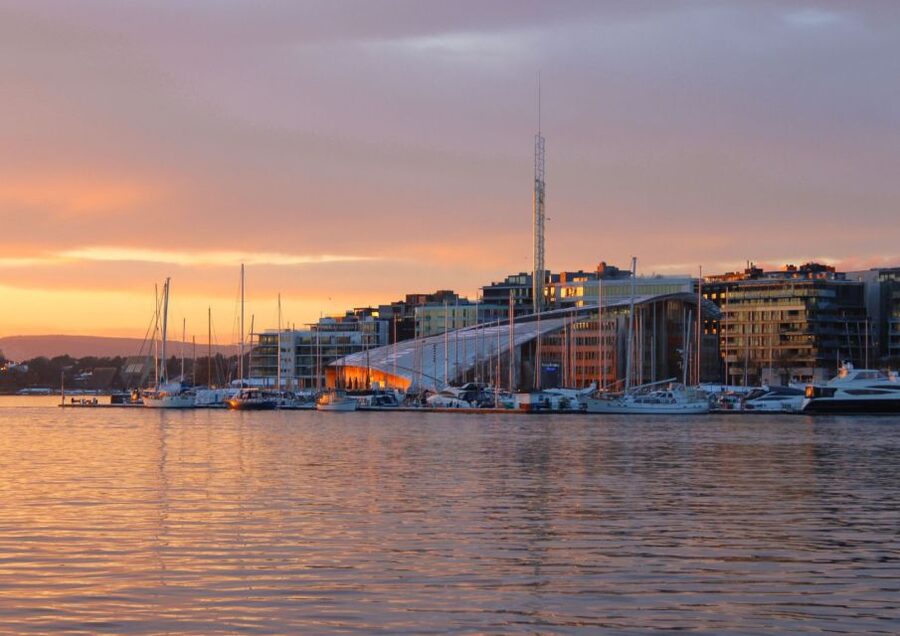
At $40 per person, this is not the cheapest way to see Oslo, but it is reasonable for a two-hour electric cruise with an audio guide, indoor comfort, toilets, Wi-Fi, blankets, and access to both a covered cabin and outdoor deck.
The value is strongest if you have limited time. Oslo’s waterfront and islands are spread out, and a boat lets you see them without arranging several separate transport connections. You also get a calm break from city walking, which can be welcome after a morning of museums and streets.
The value is less clear if you only want a quick harbor ride or if you plan to spend the whole day at Bygdøy. In that case, compare the cruise time with the cost of regular public transport and museum admission. The cruise gives you scenery and commentary, but it does not include entry to the Fram, Maritime, or Kon-Tiki museums.
Free cancellation up to 24 hours before departure and the reserve-now, pay-later option reduce the risk of booking around uncertain plans. Still, your best experience will depend heavily on weather and your choice of seat.
Who should book this Oslofjord cruise?
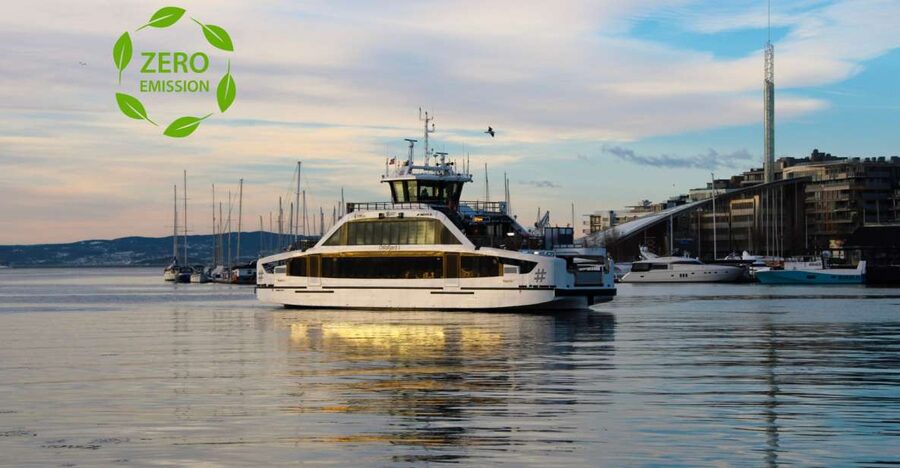
I would recommend it for a first visit to Oslo, a short stopover, families, older visitors, and anyone who wants a gentle introduction to the city from the water. It also suits people who prefer a quiet, lower-emission boat and want shelter from Oslo’s changeable weather.
It is a good fit for photographers, though you should arrive early and spend some time on the outdoor deck when conditions allow. The silent motor helps with the atmosphere, and there is no diesel smell to spoil the view.
I would be more cautious if your main goal is a dramatic mountain-fjord experience. Oslofjord offers islands, cabins, harbor buildings, and calm coastal scenery rather than towering cliffs. That is not a fault, but it is a different kind of fjord trip.
The cruise also requires patience if you want to hear every word of the commentary. Choose a quiet seat, ask about the audio app, and move outside if the cabin becomes noisy.
Final verdict: book it for the view and the calm
Book the Oslo 100% Electric Oslofjord Sightseeing Cruise if you want an easy two-hour overview of Oslo’s waterfront, a clean and quiet ride, and the option to connect with Bygdøy’s museums. The strongest reasons are the peaceful electric boat, comfortable indoor setup, and broad view of both famous landmarks and ordinary island life.
Skip it only if you need a tightly timed museum schedule, dislike boat rides in poor weather, or expect steep mountain scenery. For most first-time visitors, $40 buys a relaxed and useful view of Oslo that is difficult to duplicate from land.
FAQ
Where does the Oslofjord cruise depart?
It departs from Rådhusbrygge 4, City Hall pier 4, platform E. The meeting point is behind the restaurant Fisketorget near the Trollcruise sign, where a crew member collects sightseeing passengers.
How long does the cruise last?
The sightseeing cruise lasts two hours and returns to Rådhusbrygge 4.
What language is the tour in?
The host or greeter and audio guide are in English.
Can I get off at Bygdøy?
You may be able to disembark at Bygdøy after about 1 hour and 45 minutes. The stop is optional and may not always be available, so confirm with the crew before sailing if you plan to get off or arrange pickup.
Which museums can I visit at Bygdøy?
The nearby museums listed for the stop are the Fram Museum, Norwegian Maritime Museum, and Kon-Tiki Museum. Museum admission is not included.
Are food and drinks included?
No. Snacks and hot or cold drinks are available to purchase onboard.
Is the boat wheelchair accessible?
Yes. The boat includes accessibility features for passengers with disabilities and is described as wheelchair accessible. It also has an elevator, onboard toilets, seating, heating and air conditioning, blankets, Wi-Fi, charging ports, and an outdoor deck.
Recently added around Oslo
- The Vigeland Park in Oslo: Insta-Perfect Walk with a Local★ 5.0 · 3 reviews
- Oslo: Best of Oslo Walking Tour and Hop-on Hop-off Bus Tour★ 3.7 · 3 reviews
- Best of Oslo: Walking Tour with a local guide★ 4.6 · 3 reviews
- Afternoon Tea and Classic Concert on the Fjord★ 4.5 · 3 reviews
- Maral Kunst : Jewelry Bar Experience (Jewelry Making)★ 5.0 · 3 reviews
- Lake walk and campfire★ 4.7 · 3 reviews
- Oslo: Yoga & Hiking with a dog★ 5.0 · 3 reviews
- Oslo: Skjennungstoppen Wildlife Forest Hiking Tour★ 5.0 · 3 reviews
Oslo Tours, compared.
Scenic Fjord Cruise with Audio Guide Commentary
Read our review →


Guided Sightseeing Fjord Cruise on Premium Silent Boat
Read our review →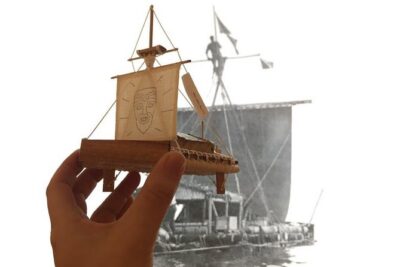

Browse the lists this tour appears in