
Reviewed · OSLO TOURS
Oslo: Viking Planet Entry Ticket
The most striking part of Viking Planet is how much of the Viking Age comes to life without relying on dusty displays. You can board a virtual ship, watch a Viking ambush unfold around you, inspect 3D scans of famous vessels, and meet life-sized holograms based on archaeological evidence. It is especially useful while Oslo’s original Viking Ship Museum is closed for its transformation into the Museum of the Viking Age.
I like the 270-degree cinema and the digital walk-through of the Oseberg and Gokstad ships. I also like how the museum corrects familiar myths, including the idea that Vikings wore winged helmets. The main drawback is that much of the learning comes through screens and reading, so you may miss the feel of a traditional museum with large physical artifacts.
Key points at a glance
- A 12-minute VR film aboard a Viking ship: The Ambush places you in a raid on Norway’s west coast, with screenings every 20 minutes.
- A 270-degree film called The Helmet: Watch Viking life and nature spread across a wide cinema screen, with shows beginning every 15 minutes.
- Digital access to famous ships: Examine the Oseberg and Gokstad vessels through a walk-through exhibition and detailed 3D files.
- Life-sized Viking holograms: See clothing, armor, and social differences presented through reconstructed figures.
- FERÐ costs extra on the standard ticket: Select the combination ticket if you want to defend a village in the Viking VR game.
- A strong family option in central Oslo: Children can take part in the interactive displays, selfie station, films, and game.
What you actually do inside Viking Planet
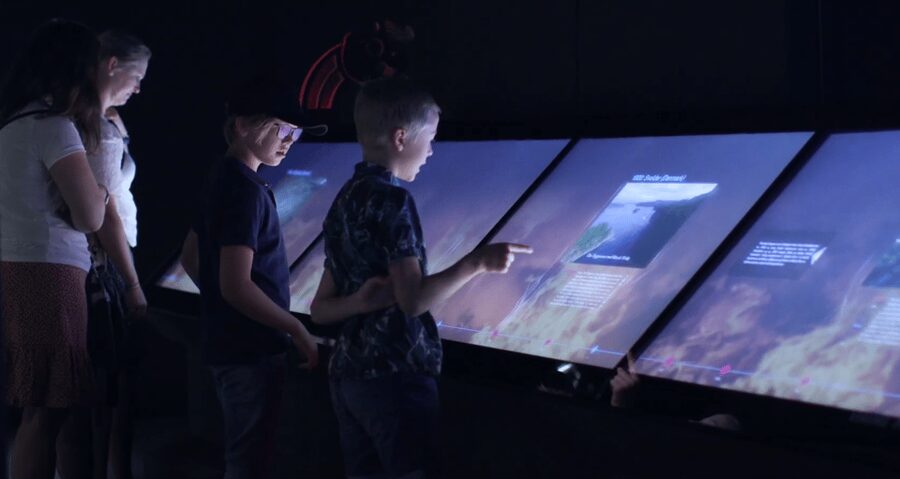
Viking Planet is built as a series of short, self-guided experiences rather than one long museum route. You check in at reception, then move between films, screens, holograms, games, and display areas at your own pace.
The listed visit time is two hours, but you can spend longer if you read every panel and try each interactive feature. One visitor stayed close to four hours, which tells you something useful: this is not just a quick film stop. Still, if you move briskly, two hours gives you enough time for the main attractions.
The museum provides an app guide, Wi-Fi, and content in 12 languages. That makes it easier to share the visit with family or friends who do not speak English or Norwegian. The experience is wheelchair accessible, and films run on frequent schedules rather than at one fixed departure time.
More Viking History Tours in Oslo:
- The Viking Planet Museum Ticket
★ 4.0 · 197 reviews - Oslo Viking Quest: Exploration Game and Tour
★ 4.5 · 17 reviews - The Viking Planet Museum – Mini Group (4 adults)
★ 4.0 · 16 reviews
The Ambush puts you on a Viking ship
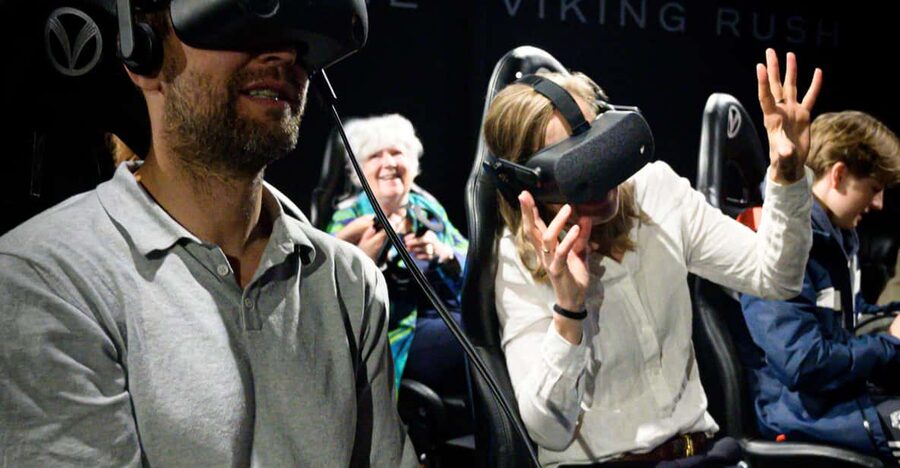
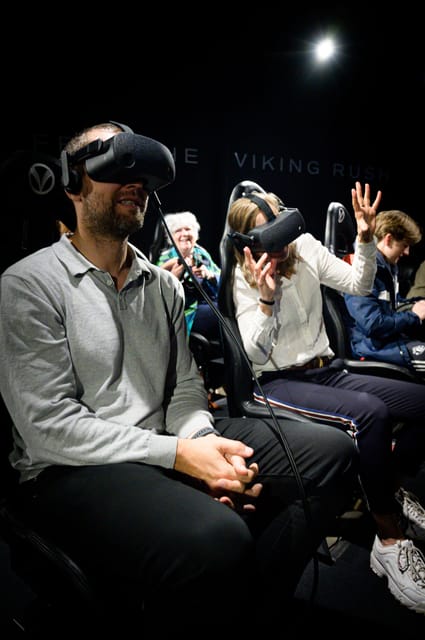
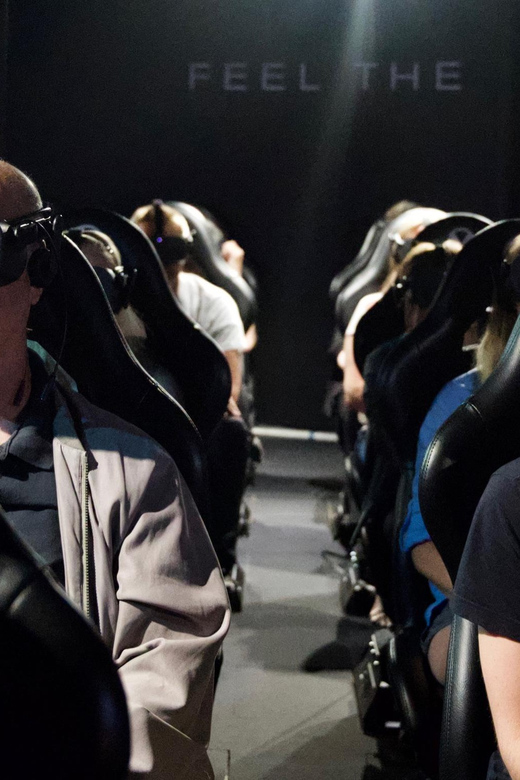
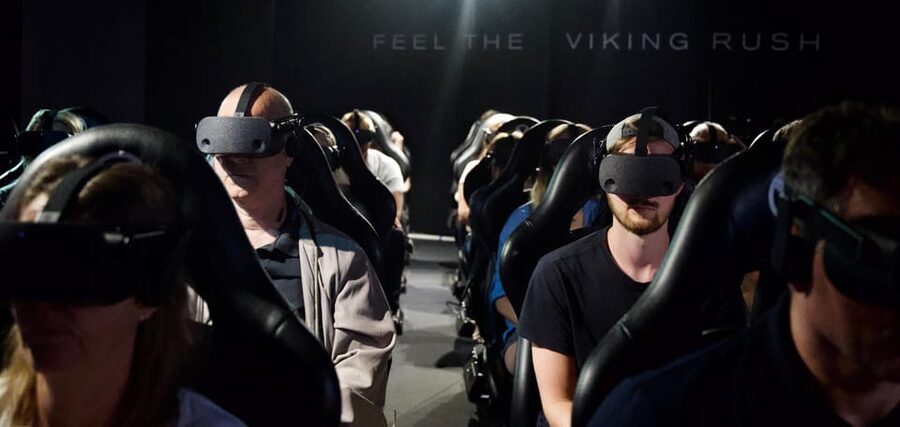
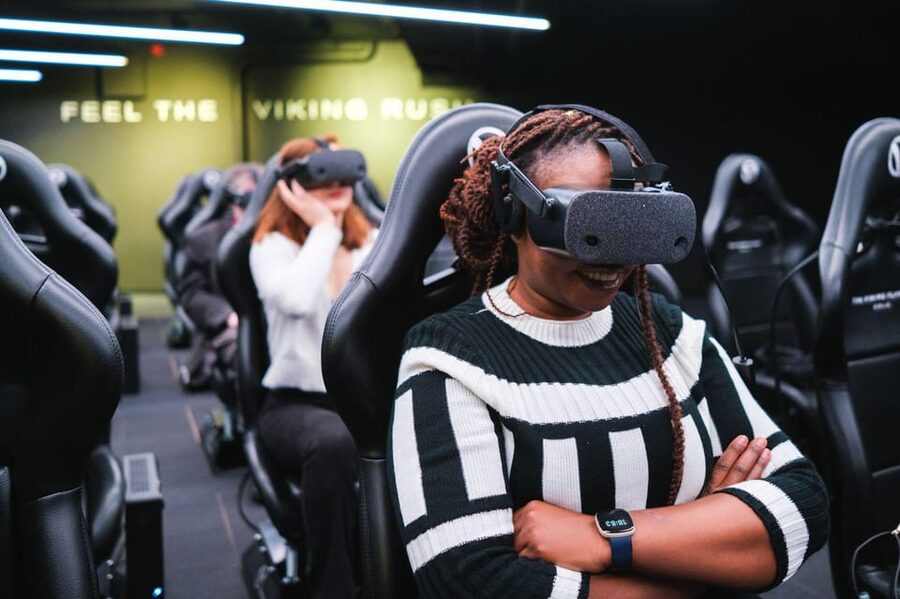
Start with The Ambush, a 12-minute virtual reality film made with Ridley Scott Creative Group and Dimension Studio. The story takes you back more than a thousand years to a Viking attack on the west coast of Norway.
The appeal is physical as well as visual. You sit with a headset while the virtual ship and action create the sense of movement around you. The film is short enough to suit children and first-time VR users, but it still gives the visit a clear dramatic center.
Screenings begin every 20 minutes, so you do not need to build your whole visit around a single start time. I would check the next showing soon after arrival, then use the waiting period for the timeline or 3D Gallery.
The VR film is one of the most praised parts of the experience, especially for families. An eight-year-old visitor enjoyed both the film and the Viking dress-up opportunities, while adults described the VR as surprisingly lifelike. If you are prone to motion discomfort, remember that this is a seated headset experience and may feel intense for some people.
The Helmet uses the full width of the room
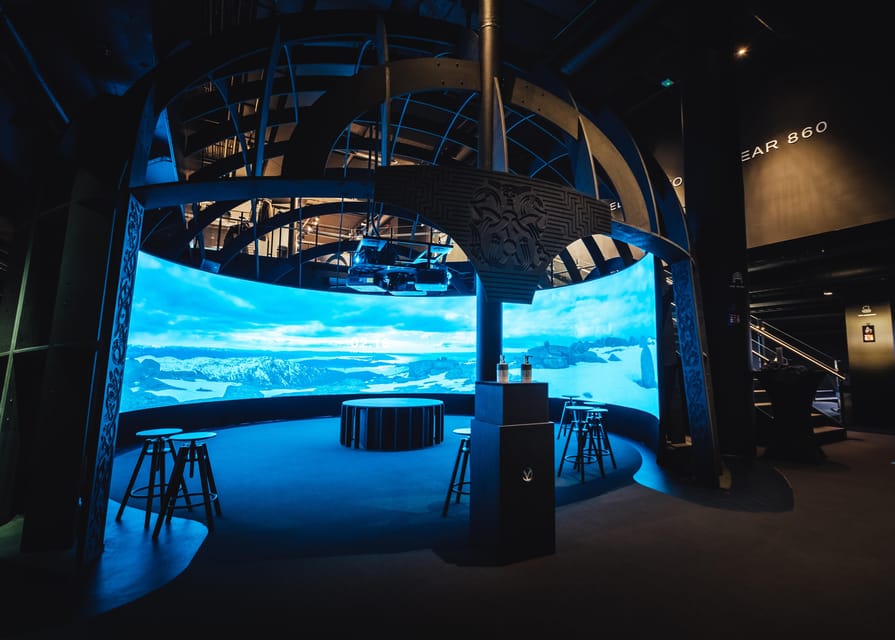
The Helmet is a 270-degree cinema presentation that combines wide views of nature with the hard conditions of Viking life. The film begins every 15 minutes, making it easy to fit between other activities.
This section works best when you want atmosphere rather than a long lesson. The wide screen gives you a stronger sense of place than a standard monitor, and the harsh settings help explain why seafaring, farming, travel, and survival shaped Viking culture.
Do not expect a feature-length production. The visual sections are relatively short, and one visitor wished the visual material lasted longer. That is a fair criticism if you prefer a traditional film with a detailed storyline. I see The Helmet as a sharp visual introduction, not the main history lesson.
Viking holograms put faces to the past
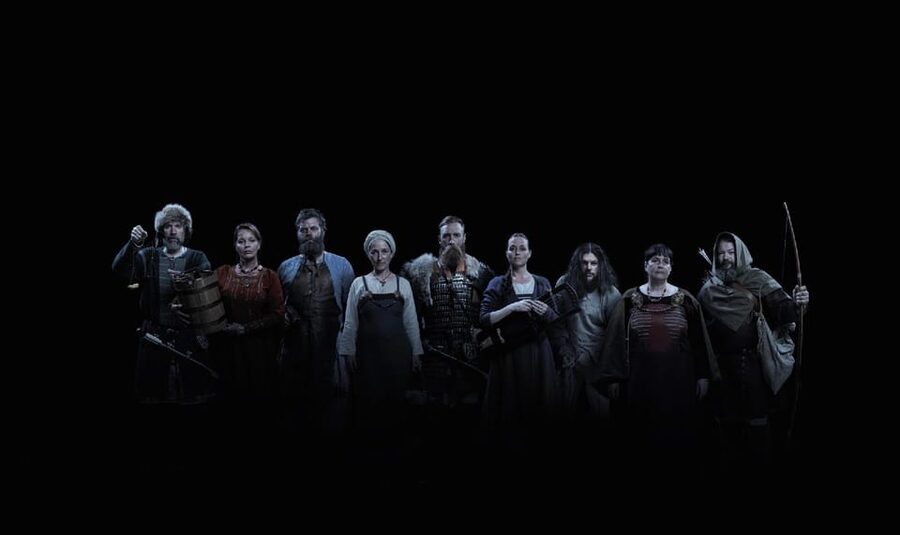
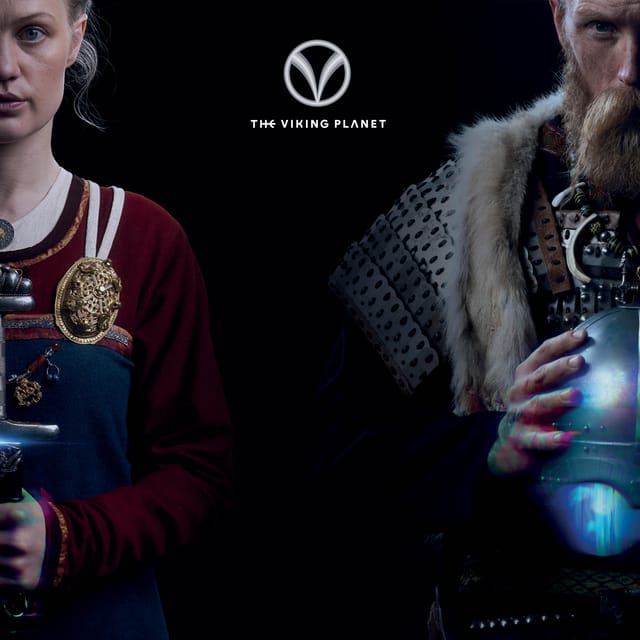
The Hologram Theatre presents life-sized figures from the Viking Age. Their appearance is based on archaeological evidence, with clothing and armor used to show different social positions.
This is a useful correction to the familiar television version of Viking life. Instead of presenting every Viking as a similarly dressed warrior, the display points toward differences in rank, work, and status. The armor and clothing help you think about society, not just battles.
The holograms are also easy for children to understand. A screen full of text can lose younger visitors quickly, but a full-size figure gives them something to examine. I would pair this stop with the Viking Windows, where you can learn about gender roles and other parts of everyday life.
A few more Oslo half-days to weigh up
- Oslo: Scenic Fjord Cruise with Audio Guide Commentary
★ 4.5 · 5,375 reviews - Oslo Nature Walks: Island Hopping Tour
★ 4.8 · 2,713 reviews - Oslo: 100% Electric Oslofjord Sightseeing Cruise
★ 4.4 · 2,041 reviews - Oslo: Fjord Evening Cruise with Shrimp Buffet
★ 4.5 · 1,956 reviews
The digital ships replace a closed Oslo favorite
For many people, the Viking Ship Exhibition is the practical reason to visit. Oslo’s famous Viking Ship Museum is closed while it becomes the Museum of the Viking Age, scheduled to reopen in 2026. Viking Planet offers a digital walk-through of the former museum during that gap.
You can explore the Oseberg and Gokstad ships and inspect 3D files of important artifacts. The ability to zoom in is particularly helpful. Instead of standing several feet away from a fragile object behind glass, you can examine digital details at your own pace.
This cannot replace seeing a full wooden ship in person. A digital file does not give you the same sense of scale, smell, age, or material. But it does offer a useful preview and a way to understand the collection while the original museum is unavailable.
If you are visiting Oslo specifically for Viking ships, keep your expectations balanced. Viking Planet is an alternative, not a replica of the closed museum. Its strength is explanation and access, while the future Museum of the Viking Age will provide the physical setting and objects.
The 3D Gallery makes old objects easy to inspect
The 3D Gallery focuses on recognizable Viking Age objects, including a longship, a nasal helmet, and the Dannevirke. You can examine these items in a visually active format rather than simply looking at a fixed photograph.
This is one of the better places to slow down. Rotate an object, look at its shape, and consider what its design tells you about travel, defense, craft, or status. It is also where the museum can quietly correct popular misunderstandings, such as the winged helmet myth.
The gallery suits visitors who want more than spectacle. It gives you a bridge between the dramatic VR films and the evidence archaeologists use to understand Viking life.
Norvegr connects history with modern storytelling
Norvegr is a documentary about Early Medieval Scandinavian culture and the way that period is presented through storytelling today. Shows begin every 15 minutes.
This film adds context to the rest of the museum. Viking Planet is not only showing raids and ships. It is also asking how modern culture has shaped the image of the Viking Age, from historical documentaries to fictional entertainment.
You might find this section less exciting than the VR movie, especially if you have young children who are waiting for the interactive displays. I would treat it as an optional pause for adults or older children who want to think about the difference between archaeological evidence and popular Viking imagery.
Timelines and Viking Windows fill in everyday life
The timeline area lets you move through major events and the exploits of well-known Vikings. Short films, written explanations, and interactive 3D artifacts help break the information into manageable pieces.
I like this format for getting your bearings. Viking history covers a large span of time and a wide part of northern Europe, so a simple chronological structure helps you connect people and events. You can move quickly through familiar material or stop when a particular figure catches your attention.
The Viking Windows explore shipbuilding methods, Old Norse mythology, and gender roles. These displays broaden the story beyond warriors and raids. You can learn how ships were built, how myths shaped belief, and how social roles operated during the Viking Age.
The amount of reading is the main consideration here. One visitor found the history very thorough but wanted more audio and less text. If you prefer listening, use the app guide and plan to focus on the visual stations rather than trying to read every panel.
The selfie station keeps the visit light
The selfie station lets you place yourself against Viking-themed backgrounds, including a ship, the Northern Lights, and Nordic scenery. It is a small feature, but it gives children and families a playful break from the history.
You can also use it to create a simple souvenir without buying anything. The dress-up and photo options were especially popular with children, and adults can join in without turning the whole visit into a serious lecture.
I would not plan a visit around the selfie station alone, but it helps the museum work for mixed-age groups. Younger children get a chance to play, while adults can continue reading or return to a display.
FERÐ adds combat, but check the ticket type
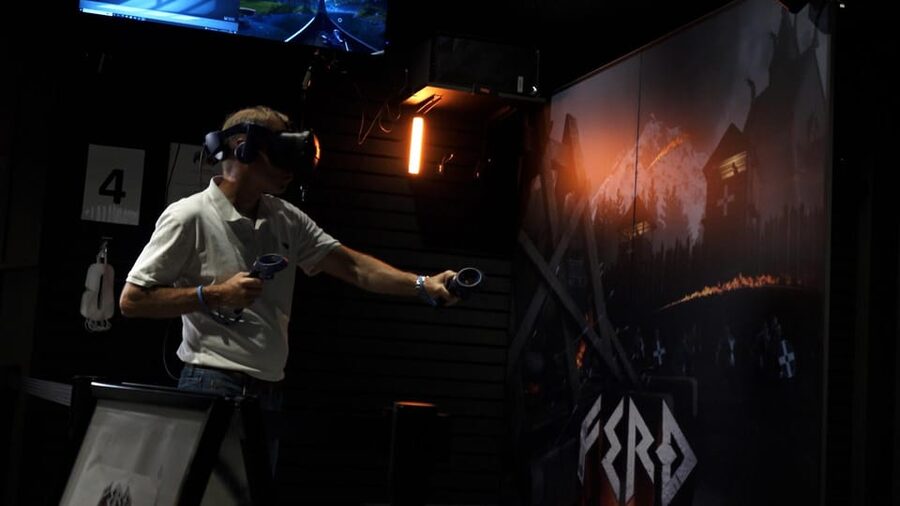
FERÐ is the separate Viking VR game. You defend your village, seek revenge, and lay siege to rival Vikings. It is available for ages 12 and older.
The standard Viking Planet Entry Ticket does not include FERÐ. You need the combination ticket or a separate gaming ticket. This distinction matters because the price of $30 per person covers the museum attractions but not automatically the game.
The game received strong praise for its action, and it can be the highlight for older children, teenagers, and adults who enjoy VR combat. It is not essential to understanding the museum, though. One player had trouble with the game and needed several attempts because of technical problems, so I would regard FERÐ as an optional extra rather than a guaranteed reason to book.
If your group includes children under 12, the standard ticket may make more sense. If everyone in your party is old enough and wants the full hands-on experience, pay attention to the combination option before booking.
Is $30 a fair price for two hours?
At $30 per person, Viking Planet is not a bargain basement attraction, but it offers a reasonable amount for the price. You receive the films, holograms, digital ship exhibition, 3D Gallery, timelines, Viking Windows, selfie station, app guide, and Wi-Fi.
The value improves if you are visiting while the Viking Ship Museum is closed. You will not see the actual Oseberg or Gokstad ships, but the digital walk-through gives you access to their forms and artifacts at a time when the original collection is unavailable.
The price is also easier to justify if you spend two to four hours inside. A rushed 45-minute visit would feel less worthwhile. Take your time with the ships, watch at least one film, and use the timeline to connect the displays.
For the best value, decide in advance if FERÐ matters to your group. The extra game may be worthwhile for VR fans, but the museum ticket already provides plenty to do without it.
Who will enjoy Viking Planet most?
I would recommend this experience to families, first-time Oslo visitors, Viking history beginners, and anyone who wants an indoor activity with several types of media.
Children have plenty of ways to take part, from the VR movie and selfie station to the interactive screens. Adults get more from the timelines, shipbuilding material, archaeology-based holograms, and explanations of Viking culture.
It also suits fans of Norse mythology and Viking-themed television, provided you want to separate fiction from evidence. The museum uses familiar subjects as a starting point, then points you toward clothing, social status, ship design, and archaeological objects.
You may prefer a more traditional museum if you want large physical collections, quiet galleries, and long object labels. Viking Planet is screen-heavy. One visitor felt something physical was missing, and that is the clearest weakness of the format.
Practical details before you go
Plan on two hours, with extra time if you want to read everything or play FERÐ. Films begin at regular intervals, every 15 or 20 minutes depending on the presentation, so you can fit them around the self-guided displays.
Check in at reception. The activity is wheelchair accessible, and the app guide and 12 language options make it workable for an international group.
Free cancellation is available up to 24 hours before the activity for a full refund. You can also reserve now and pay later, which helps if your Oslo schedule is still changing.
Should you book Viking Planet?
Book it if you want an active, modern introduction to Viking history, especially while the original Viking Ship Museum remains closed. The strongest parts are the VR movie, digital ship scans, holograms, and the freedom to explore without being tied to a guide.
Choose the combination ticket if FERÐ is important to your group and everyone playing is at least 12. Otherwise, the regular $30 ticket gives you enough material for a solid two-hour visit.
I would not choose Viking Planet as a replacement for seeing real Viking ships forever. I would choose it as a smart Oslo stop during the museum closure, a family-friendly history visit, or a lively way to get your first sense of Norway’s Viking past.
FAQ
How long does the Viking Planet visit last?
The stated duration is two hours. You can spend longer if you read the displays carefully and explore each interactive area.
What is included with the Viking Planet Entry Ticket?
The entry ticket includes the listed museum attractions, including the VR film, 270-degree cinema, hologram theatre, digital ship exhibition, 3D Gallery, documentaries, timelines, Viking Windows, selfie station, app guide, and Wi-Fi.
Is FERÐ included in the regular entry ticket?
No. FERÐ is not included unless you select the combination ticket. It can also be purchased with a separate gaming ticket.
What age is FERÐ suitable for?
FERÐ is suitable for ages 12 and older.
How often do the films start?
The VR film The Ambush screens every 20 minutes. The Helmet and Norvegr presentations start every 15 minutes.
Is Viking Planet available in different languages?
Yes. The experience is available in 12 different languages.
Can wheelchair users visit Viking Planet?
Yes. The experience is wheelchair accessible.
Recently added around Oslo
- The Vigeland Park in Oslo: Insta-Perfect Walk with a Local★ 5.0 · 3 reviews
- Oslo: Best of Oslo Walking Tour and Hop-on Hop-off Bus Tour★ 3.7 · 3 reviews
- Best of Oslo: Walking Tour with a local guide★ 4.6 · 3 reviews
- Afternoon Tea and Classic Concert on the Fjord★ 4.5 · 3 reviews
- Maral Kunst : Jewelry Bar Experience (Jewelry Making)★ 5.0 · 3 reviews
- Lake walk and campfire★ 4.7 · 3 reviews
- Oslo: Yoga & Hiking with a dog★ 5.0 · 3 reviews
- Oslo: Skjennungstoppen Wildlife Forest Hiking Tour★ 5.0 · 3 reviews
Oslo Tours, compared.
Scenic Fjord Cruise with Audio Guide Commentary
Read our review →
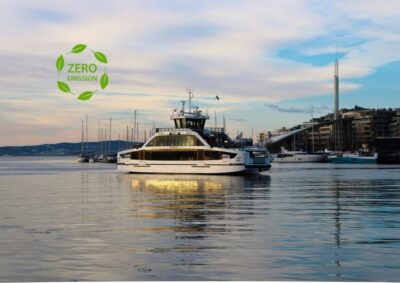



Guided Sightseeing Fjord Cruise on Premium Silent Boat
Read our review →

Browse the lists this tour appears in