
Reviewed · OSLO TOURS
Norsk Folkemuseum Oslo Private Tour & Skip-the-Line Tickets
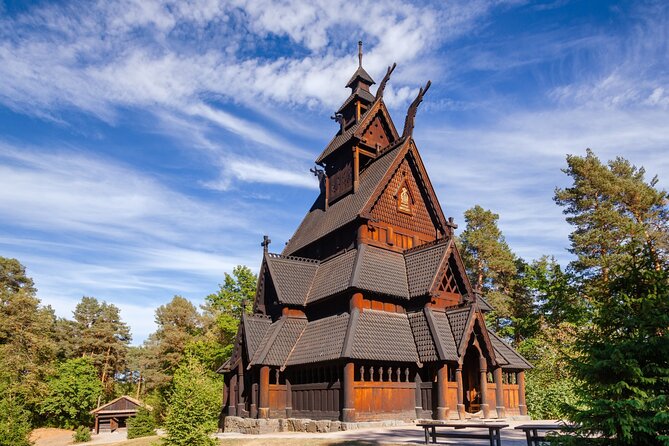
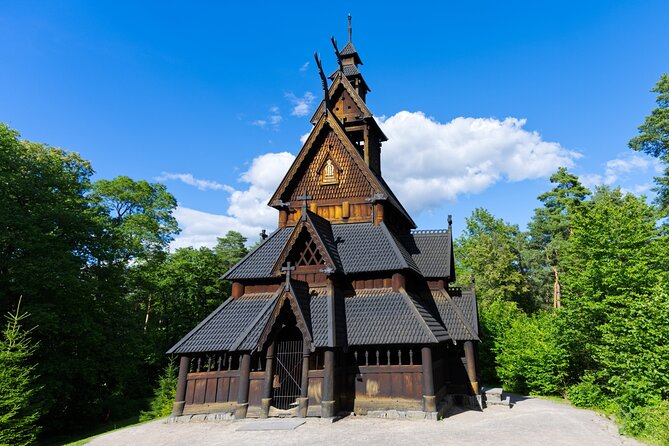
The most memorable part of this Oslo tour is the Gol Stave Church, a dark-wood masterpiece from the 13th century surrounded by old Norwegian buildings. You then walk through an open-air museum that shows how people lived, worked, worshipped, and made things across different periods of Norway’s past.
I like the private format, since your guide can spend more time on Vikings, folk art, Sámi culture, or traditional crafts, depending on what catches your attention. I also like the easy starting point at the main entrance and the pre-booked ticket, which saves you from waiting at the ticket office.
The main drawback is the short two-hour schedule. Norsk Folkemuseum covers a large area, and some buildings may be closed, so you should think of this as a guided introduction rather than a complete visit.
Key points to know before booking

- Gol Stave Church is the visual highlight: This 13th-century wooden church gives you an immediate sense of Norway’s medieval building tradition.
- More than 150 historic buildings fill the grounds: The open-air setting makes the museum feel like a walk through different chapters of Norwegian life.
- Your private guide can shape the visit: You can focus on Vikings, Sámi culture, folk crafts, music, or the parts of the museum that interest you most.
- Skip the ticket-office line, not every line: Your ticket is arranged in advance, but entrance and security checks still apply.
- The tour lasts about two hours: That is enough for a useful introduction, but not enough to see every building and exhibit.
- Weather matters: The tour runs in sun or rain, and comfortable shoes are essential for walking across the museum grounds.
Why Norsk Folkemuseum is one of Oslo’s better history stops
Oslo has museums that focus on famous objects, royal figures, or major events. Norsk Folkemuseum takes a different route. It shows Norwegian life through buildings, tools, rooms, clothes, crafts, and local traditions.
That makes the museum especially useful early in your Oslo visit. You do not just look at isolated objects behind glass. You begin to see how the country’s climate, rural communities, religious traditions, and craft skills shaped everyday life.
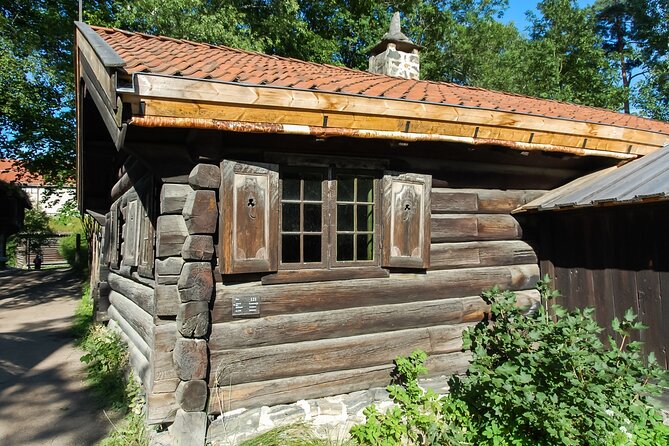
The open-air section contains more than 150 historic buildings moved here from different parts of Norway. A church, farmhouse, workshop, or town building can explain more about old Norwegian society than a long wall of text. You can look at the materials, the construction, and the scale of the spaces while your guide adds the missing context.
I find that a private tour works well here because the museum offers more than anyone can absorb in one short visit. A guide helps you choose. If you are drawn to medieval buildings, the tour can give more time to the stave church. If your interest is folk art or Indigenous culture, the guide can make those displays the center of the visit.
Other Oslo days people book on the same trip:
- Oslo: Scenic Fjord Cruise with Audio Guide Commentary
★ 4.5 · 5,375 reviews - Oslo Nature Walks: Island Hopping Tour
★ 4.8 · 2,713 reviews - Oslo: 100% Electric Oslofjord Sightseeing Cruise
★ 4.4 · 2,041 reviews
Meeting your guide at Museumsveien 10
The meeting point is the main entrance at Museumsveien 10, 0287 Oslo. Look for your guide on the left side of the main entrance, and do not go inside on your own first.
That instruction matters. Large museum entrances can create a small but needless scramble, especially if several groups are arriving at once. Arrive with the booking details easy to find on your phone, then wait on the left side for the guide.
The museum is near public transportation, so reaching the meeting point is practical. The tour ends back at the same meeting place, which keeps the plan simple if you are continuing elsewhere in Oslo afterward.
The booking includes a mobile ticket. It also includes skip-the-line access at the ticket office, but this does not let you bypass the museum entrance or security checks. Think of it as a useful time saver at the ticket counter, not a promise of instant entry at every stage.
Gol Stave Church and medieval Norway
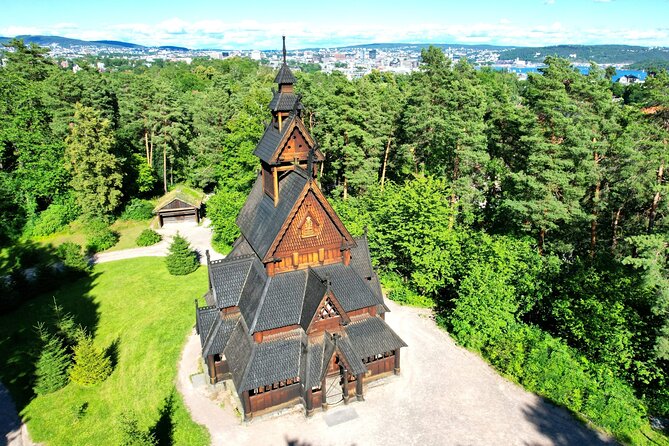
The tour begins with Gol Stave Church, usually the most distinctive building on the route. Its origins reach back to the 13th century, and its wooden construction, carved details, and layered roofline give it a look that is very different from a stone church.
Stave churches are closely tied to Norway’s medieval building tradition. They were made with upright wooden posts and careful joinery, and their decoration combines Christian themes with older Scandinavian artistic patterns. At Gol Stave Church, your guide can help you notice the carved wood rather than simply taking a quick photograph and moving on.
You spend about 50 minutes at this part of the museum and the surrounding open-air grounds. That is a sensible amount of time for an introduction, though you may wish for longer if medieval architecture is your main interest.
The church also gives you a useful reference point for the rest of the visit. After seeing how a major religious building was made, you can better understand the smaller homes, farm buildings, and working spaces elsewhere on the grounds.
Bring proper shoes. The museum is a walking site, and wet weather or ice can make the paths harder to manage. One visit was affected by icy conditions, so check the forecast and take winter footing seriously if you are visiting during a cold spell.
Walking through more than 150 Norwegian buildings
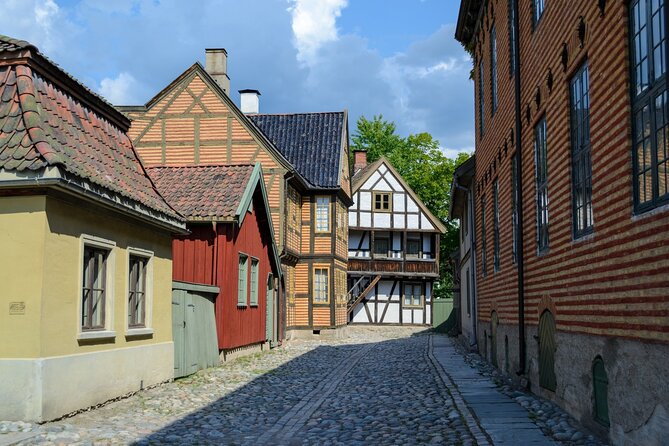
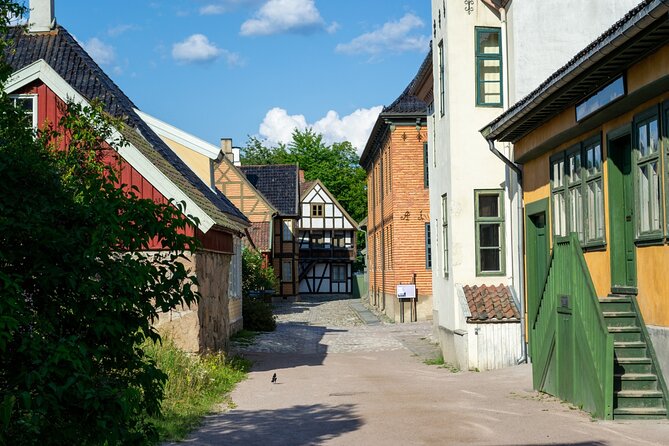
The open-air museum is not a single building with a neat sequence of rooms. It is a broad setting filled with structures relocated from different parts of Norway.
That variety is the point. You can move from one period or region to another without needing a long drive across the country. The buildings help show how homes, workspaces, and public places differed over time.
Your guide will lead you through selected parts of the grounds and explain what you are seeing. You might notice how wood was used for both practical and decorative purposes, how rooms were arranged, or how buildings reflected the needs of farming and community life.
This is also where the private format earns its keep. A standard group tour has to follow a fixed pace. A private guide can adjust the route and explanation for your group. If children are with you, the guide can focus on visible details and stories. If you are an architecture fan, you can spend more time on construction and carving.
Do not expect to enter every building. Some may be closed on the day of your visit, and openings can change. That is not necessarily a flaw in the tour, but it does mean the experience depends partly on what is operating at the time.
A few more Oslo half-days to weigh up
- Oslo: Fjord Evening Cruise with Shrimp Buffet
★ 4.5 · 1,956 reviews - Oslo: 3-Hour Highlights Bike Tour
★ 4.8 · 1,609 reviews - Oslo: 24 or 48-Hour Hop-On Hop-Off Sightseeing Bus Ticket
★ 4.1 · 1,470 reviews - Oslo: Guided Sightseeing Fjord Cruise on Premium Silent Boat
★ 4.7 · 1,390 reviews
Folk crafts, folk art, and Sámi culture
The museum section includes displays on Norwegian crafts such as textiles and woodworking. These are not just decorative subjects. They show the skills people needed to make clothing, tools, household goods, and objects for religious or community use.
A private guide can help you connect the object to its purpose. A piece of fabric tells you something about materials and labor. A carved wooden object can show both artistic taste and practical skill. Those links make the displays easier to remember than a list of dates.
The Sámi exhibit adds another important part of Norway’s cultural story. The Sámi are the Indigenous people of Norway, and the dedicated display presents aspects of their heritage and traditions.
This section is especially valuable if your knowledge of Norway has focused mostly on Vikings and medieval churches. Viking history is popular, and the tour can include it, but Norway’s cultural identity is broader. The Sámi exhibit gives you a chance to see a different set of traditions and experiences within the country.
The museum also holds cultural events at times, including live folk music. The tour information does not promise that a performance will take place during your visit, so treat this as a possible extra rather than part of the guaranteed program.
A private guide can make the short visit work
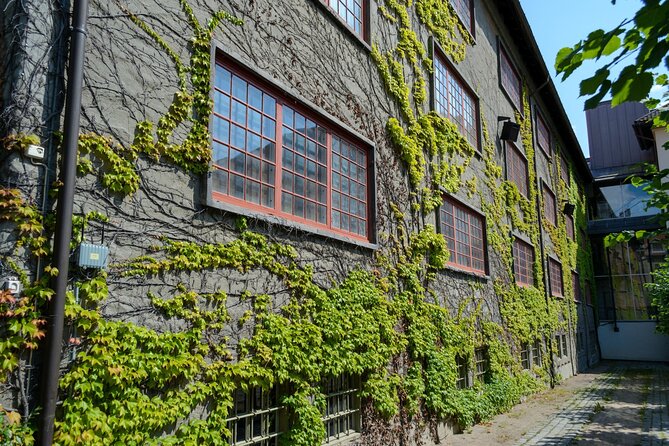
The advertised visit lasts about two hours. One hour is set aside for the main Norsk Folkemuseum experience, with about 50 minutes focused on Gol Stave Church and the open-air setting.
That schedule is brisk. You will get a clear introduction, but the grounds contain far more than you can cover in two hours. If you want a slow look inside many buildings, time for the cafés, and a full examination of the craft displays, plan to return on your own or allow additional museum time if possible.
The advantage is focus. Guides such as Lisa and Mari have been praised for bringing Norwegian history to life and adapting the route to personal interests. One guide, Mari, shaped the visit around what the group wanted to see. That is the kind of flexibility you should request at the start.
Tell the guide what matters most to you before the walking begins. You might choose:
- Medieval architecture and Gol Stave Church
- Vikings and early Norwegian history
- Traditional crafts and folk art
- Sámi culture
- Norwegian music and cultural traditions
- A broad first look at the museum
The guide is described as a licensed, five-star guide fluent in your chosen language, with this offering conducted in English. Still, guide quality can vary. One disappointing visit involved a guide who seemed inexperienced and spent too much time taking personal photographs instead of explaining the museum. That experience appears to be an exception among the stronger guide feedback, but it is a useful reminder to speak up if the pace or content is not working for you.
What the $196.84 price means
At $196.84 per person, this is not a budget museum entrance. You are paying for a private tour, a licensed English-speaking guide, museum admission, and a more personal route through a large site.
The value depends on your group. For one or two people, the cost is high for a two-hour activity. For a family or small group, the private format can make more sense, especially since group discounts are available. You are not paying for food or drinks, so include those costs separately.
I would judge the price by how much guidance you want. If you enjoy reading signs and setting your own route, buying admission and exploring independently will likely be cheaper. If you want someone to explain why the buildings matter, point out details you might miss, and adjust the visit to your interests, the private format offers something a basic ticket cannot.
The pre-booked ticket also saves time at the ticket office. It does not remove the need for entrance and security checks, so do not book this expecting a completely line-free arrival.
Food, weather, and practical comfort
Food and drinks are not included. You can buy them at Café Arkadia near the main entrance or Piperviken Cafe in the middle of the open-air museum.
Because the grounds are spread out, comfortable walking shoes are more important than stylish footwear. The route takes place outdoors as well as inside exhibits and buildings, so dress for the forecast. The tour runs in both sun and rain.
Norway’s weather can change quickly, and the museum experience is less pleasant if you are cold, wet, or slipping on icy paths. A rain layer and sensible shoes can make a bigger difference here than an extra camera lens.
Confirmation arrives at booking, and you should check your email the day before for important updates. Cancellation is free if you cancel at least 24 hours before the start time. Changes or cancellations inside that window are not accepted for a refund.
Who will enjoy this Oslo tour most
I would recommend this tour to first-time visitors who want a guided introduction to Norwegian culture without committing half a day. It also suits families and small groups who prefer a private pace and want to ask questions as they go.
History fans should enjoy the combination of medieval architecture, domestic buildings, crafts, and Sámi culture. The tour is also a good choice if you want more than a Viking-focused view of Norway.
It may be less suitable if you dislike walking, want a fully self-guided visit, or hope to enter every building. The museum is large, the schedule is short, and some structures may be closed.
If you have five or six hours available, you could easily want more time on the grounds. The guided portion can show you where to focus, then you can continue independently if museum admission and opening conditions allow.
Should you book the Norsk Folkemuseum private tour?
Book it if you want a focused introduction to Oslo’s cultural history, especially if Gol Stave Church, traditional crafts, or Sámi culture interests you. The private guide is the main reason to choose this option, and a strong guide can turn a large, scattered museum into a clear story.
I would be more cautious if the price feels steep for two hours or if your priority is exploring at your own speed. In that case, an independent visit may offer better value.
For most first-time visitors, this is a useful early-Oslo activity. Set realistic expectations, wear good shoes, allow for weather, and tell your guide what you want to see. That is how you get the most from a short visit.
FAQ
Where does the tour begin?
The tour begins at the main entrance of Norsk Folkemuseum, Museumsveien 10, 0287 Oslo, Norway. Your guide will meet you on the left side of the main entrance.
Where does the tour end?
The activity ends back at the meeting point at Museumsveien 10.
How long does the tour last?
The tour lasts approximately two hours.
Is this a private tour?
Yes. Only your group participates in the private activity.
What language is offered?
The tour is offered in English, with a private guide fluent in your chosen language.
Is admission to Norsk Folkemuseum included?
Yes. Museum admission and skip-the-line tickets to the ticket office are included.
Can I skip the entrance and security checks?
No. The pre-booked ticket allows you to skip the ticket-office line, but entrance and security checks still apply.
Is food included?
No. Food and drinks are not included. You can purchase them at Café Arkadia near the main entrance or Piperviken Cafe in the middle of the open-air museum.
Does the tour run in bad weather?
Yes. The tour runs as planned in sun and rain, so you should check the forecast and dress appropriately.
What is the cancellation policy?
You can cancel for a full refund up to 24 hours before the experience start time. Cancellations or changes made less than 24 hours before the start time are not accepted for a refund.
Recently added around Oslo
- The Vigeland Park in Oslo: Insta-Perfect Walk with a Local★ 5.0 · 3 reviews
- Oslo: Best of Oslo Walking Tour and Hop-on Hop-off Bus Tour★ 3.7 · 3 reviews
- Best of Oslo: Walking Tour with a local guide★ 4.6 · 3 reviews
- Afternoon Tea and Classic Concert on the Fjord★ 4.5 · 3 reviews
- Maral Kunst : Jewelry Bar Experience (Jewelry Making)★ 5.0 · 3 reviews
- Lake walk and campfire★ 4.7 · 3 reviews
- Oslo: Yoga & Hiking with a dog★ 5.0 · 3 reviews
- Oslo: Skjennungstoppen Wildlife Forest Hiking Tour★ 5.0 · 3 reviews
Oslo Tours, compared.
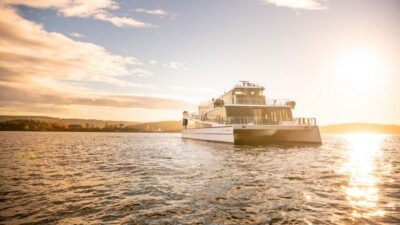
Scenic Fjord Cruise with Audio Guide Commentary
Read our review →


Guided Sightseeing Fjord Cruise on Premium Silent Boat
Read our review →
Browse the lists this tour appears in