
Reviewed · TROMSØ TOURS
Skjervøy: Birds and Wildlife of Arctic Norway
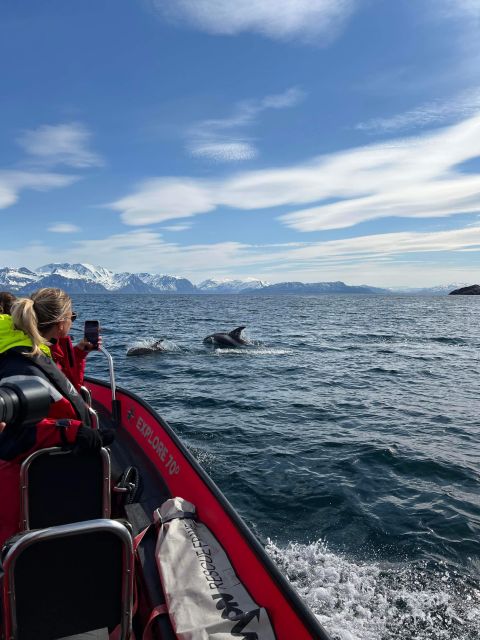
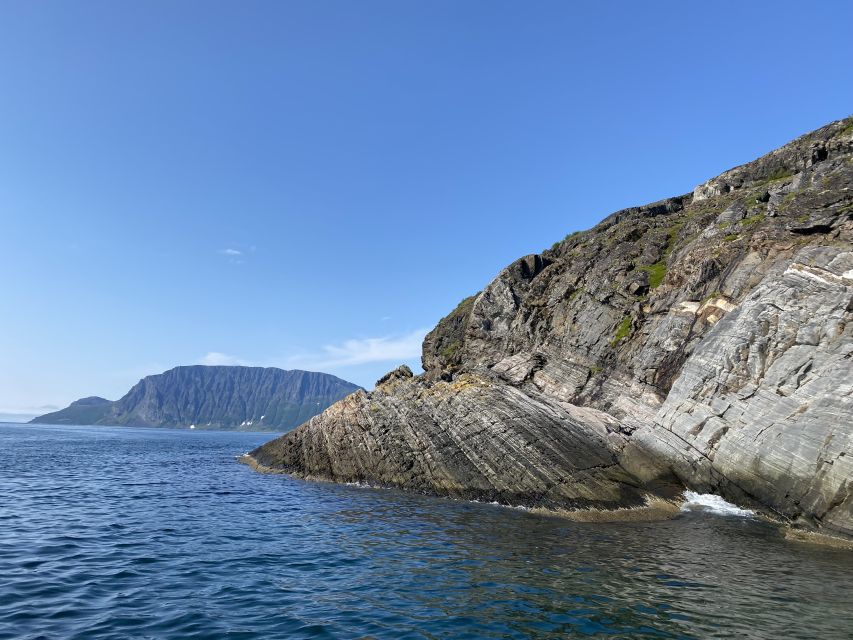
Skjervøy’s fjords offer a fine mix of open-water wildlife and Arctic scenery, with white-beaked dolphins and harbor porpoises possible in every season. You may also spot eagles, cormorants, seabirds, moose or reindeer, while the guide explains how Sami and Norwegian communities have shaped this part of northern Norway.
I like the local company and Varde quality certification, which add useful reassurance on a fast-moving sea trip. I also like the practical gear package: thermal suits, life jackets, mittens and goggles are supplied, so you do not need a suitcase full of Arctic clothing.
The main catch is simple: wildlife is wild. One outing can pass between snow showers with perfect views and still produce no animals, so book this for the boat ride, scenery and stories as much as for a sighting.
Key points to know before you book
- White-beaked dolphins and harbor porpoises are possible year-round, with seals and otters also seen from time to time.
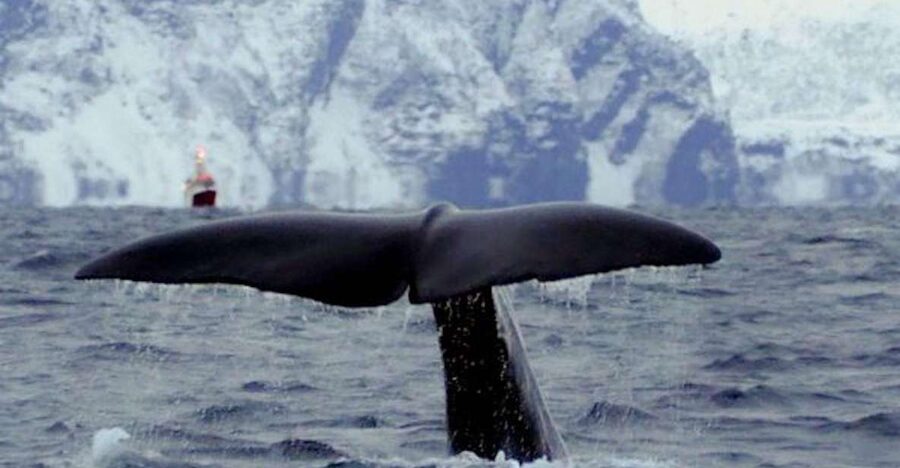
- Whale sightings are seasonal and never guaranteed, especially after the winter whales leave the fjords around late January.
- Spring and summer bring the broadest bird interest, including puffins, guillemots, razorbills, Arctic terns and ducks.
- A local English-speaking guide adds Sami and Norwegian cultural context, not just animal spotting.
- The three-hour RIB trip runs from 9:30 to 12:30, with all essential safety and cold-weather equipment provided.
- The excursion costs $165 per person, a fair price if you value a small-scale nature outing, but less appealing if you need guaranteed whales.
What this Skjervøy wildlife trip is really about
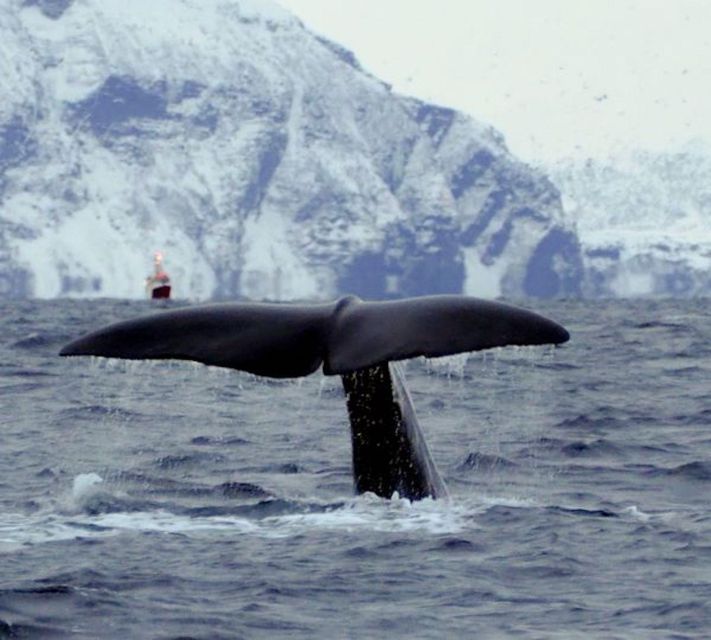
This is not a sightseeing cruise with a fixed list of stops. It is a search through the fjords around Skjervøy, where the guide watches the water, cliffs and shore for signs of life.
The RIB gives the outing a more active feel than a large boat. It is described as safe and steady, but you are still on a small open vessel in Arctic conditions. That means better exposure to the surroundings, along with more wind, spray and movement.
The company has local roots in Skjervøy and holds Varde quality certification for whale watching, a Norwegian quality mark. That matters because wildlife trips depend on more than a boat and a pair of binoculars. Boat handling, weather decisions, timing and clear safety instructions all affect the day.
The crew also puts emphasis on personal attention. No guide can control what appears, but a good host can make a quiet stretch of water worthwhile. Here, the stated focus is on welcoming people, explaining what you are seeing and helping you feel looked after during the ride.
More wildlife days around Tromsø:
- Tromso Snowshoeing – Valley, Fjord Views, Wildlife, Meal & Pickup
★ 5.0 · 398 reviews - Tromsø: Winter Sea Kayaking Tour with Wildlife Sightings
★ 4.9 · 333 reviews - Fjord, Mountain and Wildlife Tour
★ 4.5 · 229 reviews
The 9:30 departure and meeting point
The standard timing is 9:30 to 12:30, giving you three hours on the water. Check the available date before booking because starting times can vary.
The meeting point is easy to identify: look for the red door, large windows and the activity provider’s name. The trip returns to this same place, so you do not need to arrange a separate return transfer after the boat ride.
Transport from Tromsø is not included. This is an important planning point. The experience is based in Skjervøy, so you need to organize your own way there and back. If you are building a northern Norway itinerary, allow enough time for that connection rather than treating the excursion as a simple central Tromsø activity.
Food and drinks are also not included. The three-hour duration is manageable without a meal stop, but bring anything you need before departure. Keep your hands free for boarding and use clothing that works under the supplied thermal suit.
Getting ready for an Arctic RIB ride
The operator supplies a thermal suit, life jacket, mittens and goggles. This is a strong practical benefit at $165, especially if you are visiting Norway with limited cold-weather equipment.
Still, bring warm clothing. The supplied suit is an outer layer, not a replacement for proper clothes underneath. Layers give you more control when the boat is moving, when the wind picks up or when you are standing still while the guide searches the water.
The goggles are useful in a fast RIB because wind can make it hard to keep your eyes open. Mittens protect your hands, though you may want to keep small personal items secured inside a pocket rather than handling them on the boat.
Do not arrive intoxicated. Alcohol and drugs are not allowed. This is a sensible rule on any boat, and particularly so on a cold-water wildlife trip where balance and clear judgment matter.
The activity is not suitable for children under six or for people with back problems. The information also says it is wheelchair accessible, so contact the provider if you need access arrangements and want to confirm how the boat setup will work for you.
Searching the fjords for dolphins and porpoises
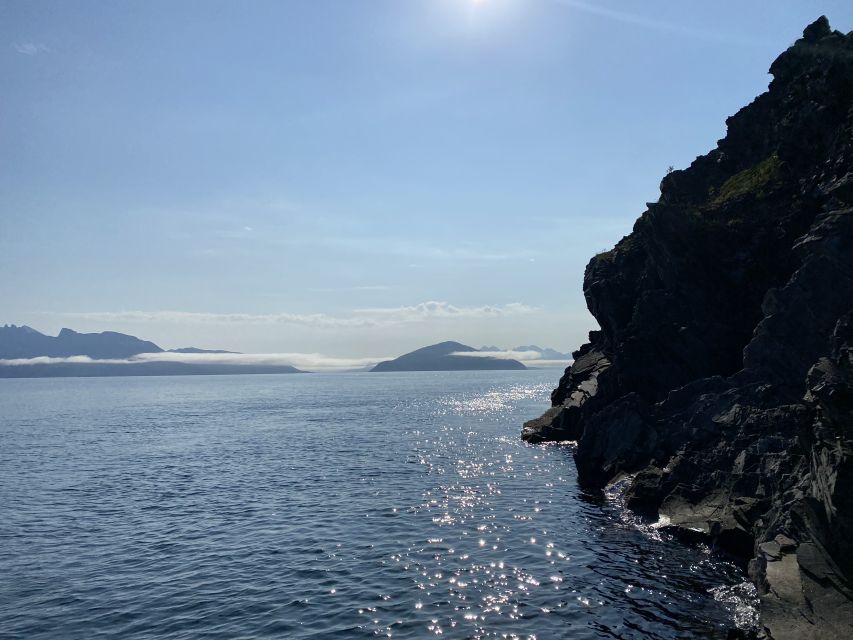
The most dependable wildlife hope is not necessarily a whale. White-beaked dolphins and harbor porpoises are described as common in the area throughout the year, though no sighting can be promised.
Dolphins can turn a calm search into a lively one, while porpoises are often less showy. Keep watching the water rather than waiting for a dramatic leap. The guide may point out movement, backs or brief surfacing before you have time to react.
Seals and otters are also seen from time to time. These smaller marine mammals can be harder to find, but they add variety to the trip. You are not simply heading out for one headline species and returning if it does not appear.
The search itself is part of the appeal. You move through the fjords, scan the surface and learn how much patience wildlife watching demands. I would set your expectations at possible encounters, not a guaranteed parade of animals.
A few more Tromsø half-days to weigh up
- Tromsø: Reindeer Sledding & Feeding with a Sami Guide
★ 4.8 · 6,417 reviews - Tromsø: Whale Watching Tour by Hybrid-Electric Boat
★ 4.5 · 4,217 reviews - From Tromsø: Aurora Borealis Tour
★ 4.8 · 4,206 reviews - Tromsø’s Top-Rated Fjord & Fishing Cruise – All-Inclusive
★ 4.7 · 4,017 reviews
Whale prospects after the winter season
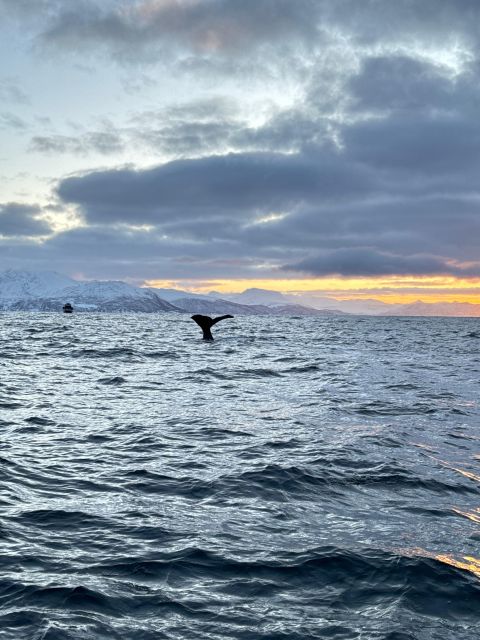
Whale watching around Skjervøy has a strong seasonal character. In late January, the winter whales finish their feeding period in the fjords, so the chance of seeing the main seasonal groups changes after that point.
Whales and other cetaceans can still appear from time to time. The operator specifically notes juvenile humpback whales and other passing whales moving into or through the fjord system. That gives you a reason to keep looking, but it does not turn the trip into a guaranteed whale tour.
This distinction is important when judging the price. If your only goal is to see a humpback, you may find $165 hard to justify on a quiet day. If you want a broader nature outing that includes dolphins, birds, shore wildlife and local stories, the value is stronger.
Weather also affects the experience. A snow shower can reduce visibility, but it can also create a striking Arctic setting when the fjords open up again. One recorded outing ran between two snow showers and had good conditions on the water, yet no wildlife appeared. That is an honest picture of nature touring in this region.
Eagles, seabirds and the best time for birdlife
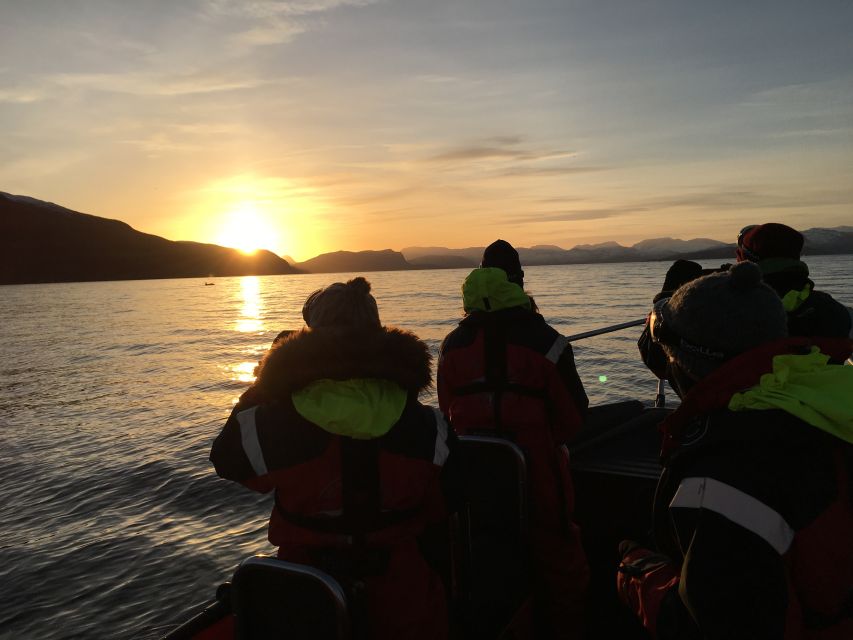
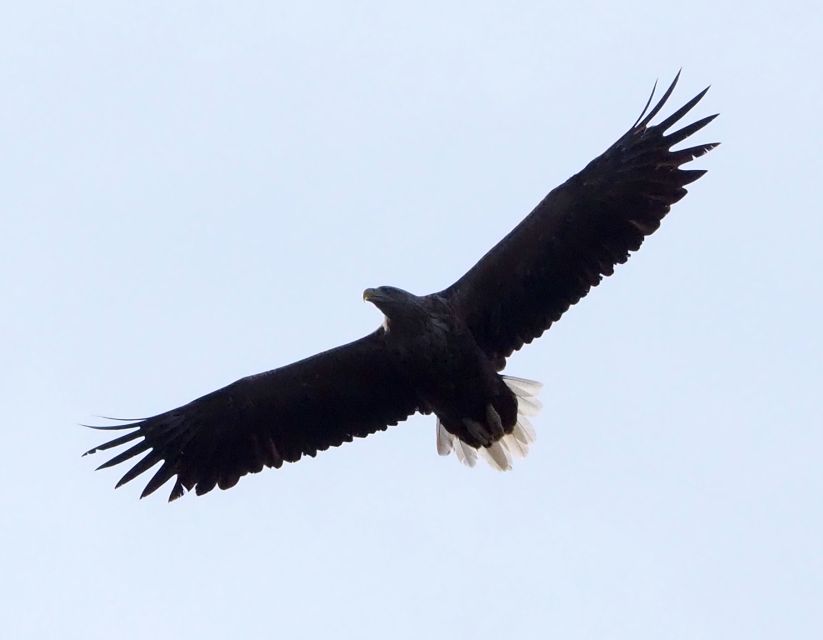
The birdwatching side of the trip gives it extra interest, especially in spring and summer. Eagles and cormorants are among the larger, more dramatic birds you might see, with their size and wing movement easy to notice from the boat.
The possible seabird list is broad:
- Puffins
- Guillemots
- Razorbills
- Little auks
- Arctic terns
- Eider ducks
- Long-tailed ducks
The timing of your visit matters. Spring and summer are described as the most fascinating period for birdlife, so bird lovers may prefer those months over the quieter winter season.
Puffins are an obvious favorite, but they are only one part of the picture. Guillemots and razorbills bring a different look to the cliffs and water, while Arctic terns add fast movement overhead. Eider and long-tailed ducks show how much of the experience depends on watching both the sea and the shore.
You will get more from this part of the trip if you accept that birds may be brief and distant. The supplied goggles help, but you should still listen closely when the guide identifies a bird. A local guide can turn a quick shape on the water into a useful lesson about the region.
Looking inland for moose and reindeer
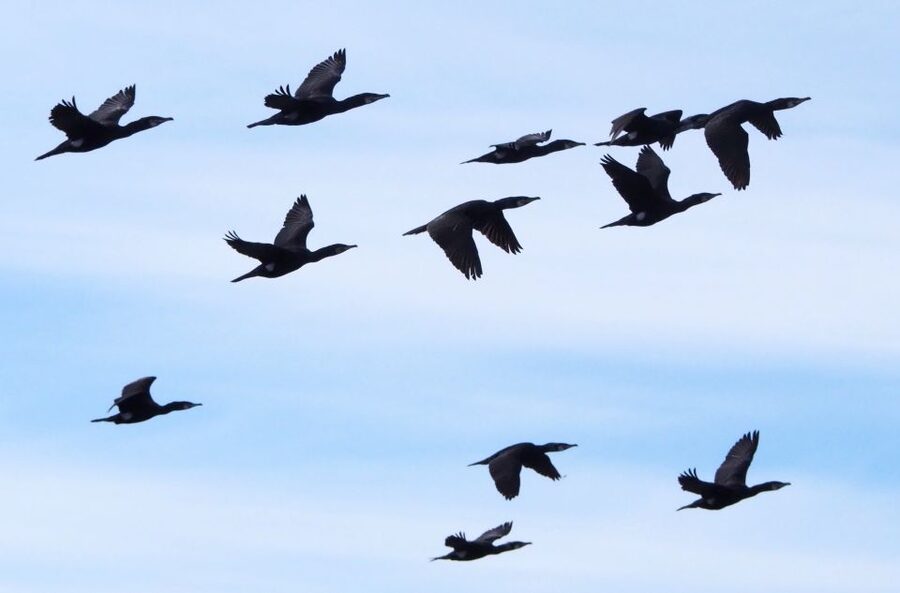
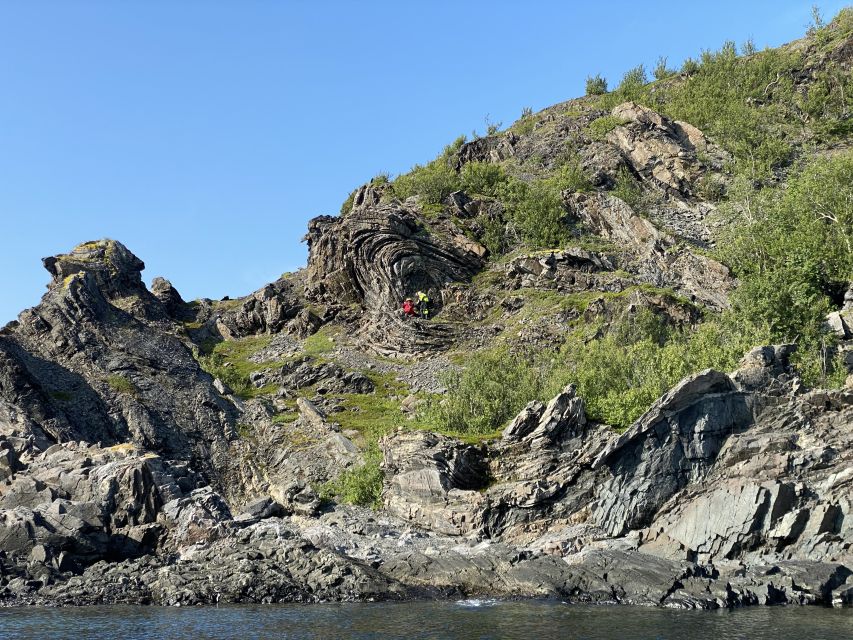
The boat does not only point toward the sea. The crew also watches the shore for moose and reindeer, which are commonly seen in the area.
This gives the ride a welcome change of pace. After scanning for fins and seabirds, you may find yourself looking along the land for movement. Seeing an animal on shore can be just as memorable as a marine sighting, particularly when the fjords make the distance feel larger than it is.
Do not treat these sightings as fixed itinerary stops. The activity has no promised animal route or set viewing point. The guide searches as conditions allow, and the day changes according to weather and what is present.
Sami and Norwegian stories on the water
The cultural side is more than a short extra talk. The company places importance on explaining how generations of Sami and Norwegian people have lived with and shaped the area.
That context helps you read the surroundings. The fjords are not empty scenery. They are working places and home territory, connected to traditions, travel routes and communities. Hearing those stories from a local English-speaking guide gives the wildlife a stronger sense of place.
The guide’s role is especially important during a quiet spell. If no dolphin or whale appears, the trip still has value when you understand more about the people, sea and shore around you.
The listed guide language is English. No individual guide names are provided, so you should not book expecting a particular host. You can expect an educated, professional local guide who speaks Norwegian and English.
Is $165 good value for three hours?
At $165 per person, this is not a cheap short boat ride. The cost makes more sense when you consider what is included: three hours on the fjords, a local guide, safety equipment, thermal clothing, mittens and goggles.
The Varde quality certification is another useful point in its favor. It does not guarantee wildlife, but it signals that the whale-watching operation meets a Norwegian quality standard.
The price is easiest to justify for someone who wants a focused Arctic nature activity and values local interpretation. It is less convincing for a person who only wants a guaranteed whale photograph, since sightings depend on season, weather and animal behavior.
I also like that the company does not pretend the wildlife schedule is fixed. Dolphins and porpoises may be seen all year, while whales, birds, seals, otters, moose and reindeer appear under different conditions. That honest uncertainty is part of responsible wildlife viewing.
Who will enjoy this trip most?
I would recommend it to adults and families with children six or older who enjoy being outside and can handle a three-hour boat outing. It suits people who want more than a standard sightseeing cruise, particularly anyone interested in birds, marine mammals or local culture.
It is also a good match for visitors who appreciate small-company service and direct contact with a local guide. The personal hosting style may make the outing feel more attentive than a large organized cruise.
I would think twice if you have back problems, dislike fast or exposed boat rides, or need a guaranteed animal sighting. The activity is wheelchair accessible, but you should still confirm the practical details before arrival if you use a wheelchair.
Most of all, book it with flexible expectations. The boat, fjords, weather and wildlife all work together. Some days may bring dolphins or a passing whale. Other days may give you snow showers, seabirds and a clear lesson in how unpredictable nature can be.
Should you book Birds and Wildlife of Arctic Norway?
Book this trip if you want a well-equipped local wildlife search with dolphins, birds, possible whales and stories about Sami and Norwegian life. The three-hour length is manageable, the supplied clothing removes much of the gear problem, and the certified whale-watching operation adds confidence.
Skip it if your schedule cannot absorb the journey to Skjervøy from Tromsø, or if seeing a whale is your only reason for going. For the right person, the value is not a guaranteed animal checklist. It is the chance to spend a carefully hosted morning on Arctic waters, watching whatever the fjords choose to reveal.
FAQ
Where does the activity take place?
The trip takes place around Skjervøy in Arctic Norway, in the Barents Sea region and its surrounding fjords.
How long does the wildlife trip last?
The activity lasts three hours. The stated schedule is 9:30 to 12:30, but you should check availability for the exact starting time.
Is transport from Tromsø included?
No. Transport to and from Tromsø is not included, so you must arrange your own travel to Skjervøy.
What animals might I see?
Possible sightings include white-beaked dolphins, harbor porpoises, seals, otters, whales, eagles, cormorants, seabirds, moose and reindeer.
Can I see whales after late January?
Whales and other cetaceans may still be observed from time to time after the winter whale season ends around late January. Sightings are not guaranteed.
Which birds might appear?
Possible birds include puffins, guillemots, razorbills, little auks, Arctic terns, eider ducks and long-tailed ducks. Spring and summer are described as especially good periods for birdlife.
What equipment is provided?
The operator provides thermal suits, life jackets, mittens and goggles. You should still bring warm clothing.
Is an English-speaking guide included?
Yes. An educated and professional local guide is included, with Norwegian and English language skills. The listed live tour language is English.
Is the trip suitable for young children?
No. The activity is not suitable for children under six years old.
Is the experience wheelchair accessible?
The activity is listed as wheelchair accessible. It is not suitable for people with back problems.
Can I cancel for a full refund?
Yes. You can cancel up to 24 hours in advance for a full refund. You can also reserve now and pay later.
Recently added around Tromsø
- Brews and Views City Walking Tour in Tromsø with Beer Tasting★ 4.0 · 3 reviews
- 3 Hours Private Walking Food Tour in Norway★ 4.0 · 3 reviews
- Lyngenalps: Northern Lights Snowmobile Safari★ 4.4 · 3 reviews
- Tromsø: Aurora Quest Minibus Adventure★ 3.4 · 3 reviews
- Tromsø: Adult Only Aurora hunt with Citizen Science★ 4.3 · 3 reviews
- From Tromsø: Private Northern Lights Experience★ 5.0 · 3 reviews
- Tromsø: City Walk & Polar Museum (Private or Shared)★ 3.7 · 3 reviews
- Tromsø: Northern Lights Hunt. Local Guide and Basecamp.★ 4.6 · 3 reviews
Tromsø Tours, compared.
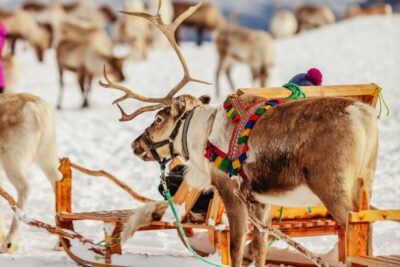
Reindeer Sledding & Feeding with a Sami Guide
Read our review →

Fjords and Sommarøy Islands Tour with Salmon Picnic
Read our review →
Reindeer Camp and Sami Cultural Tour with Lunch
Read our review →
Reindeer Sled, Dinner, and Chance of Northern Lights
Read our review →Browse the lists this tour appears in